
Animal welfare fundraising in Africa
Raise mobile money for vet bills, shelter food, and rescue work. One link, one public ledger, and everyone sees where the money goes.
Browse campaigns
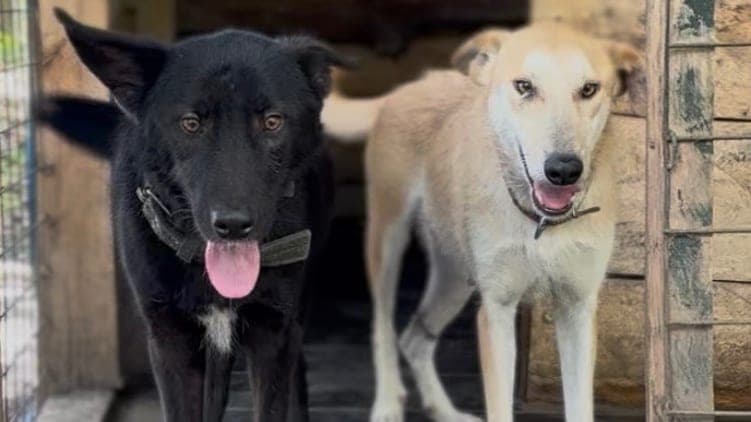
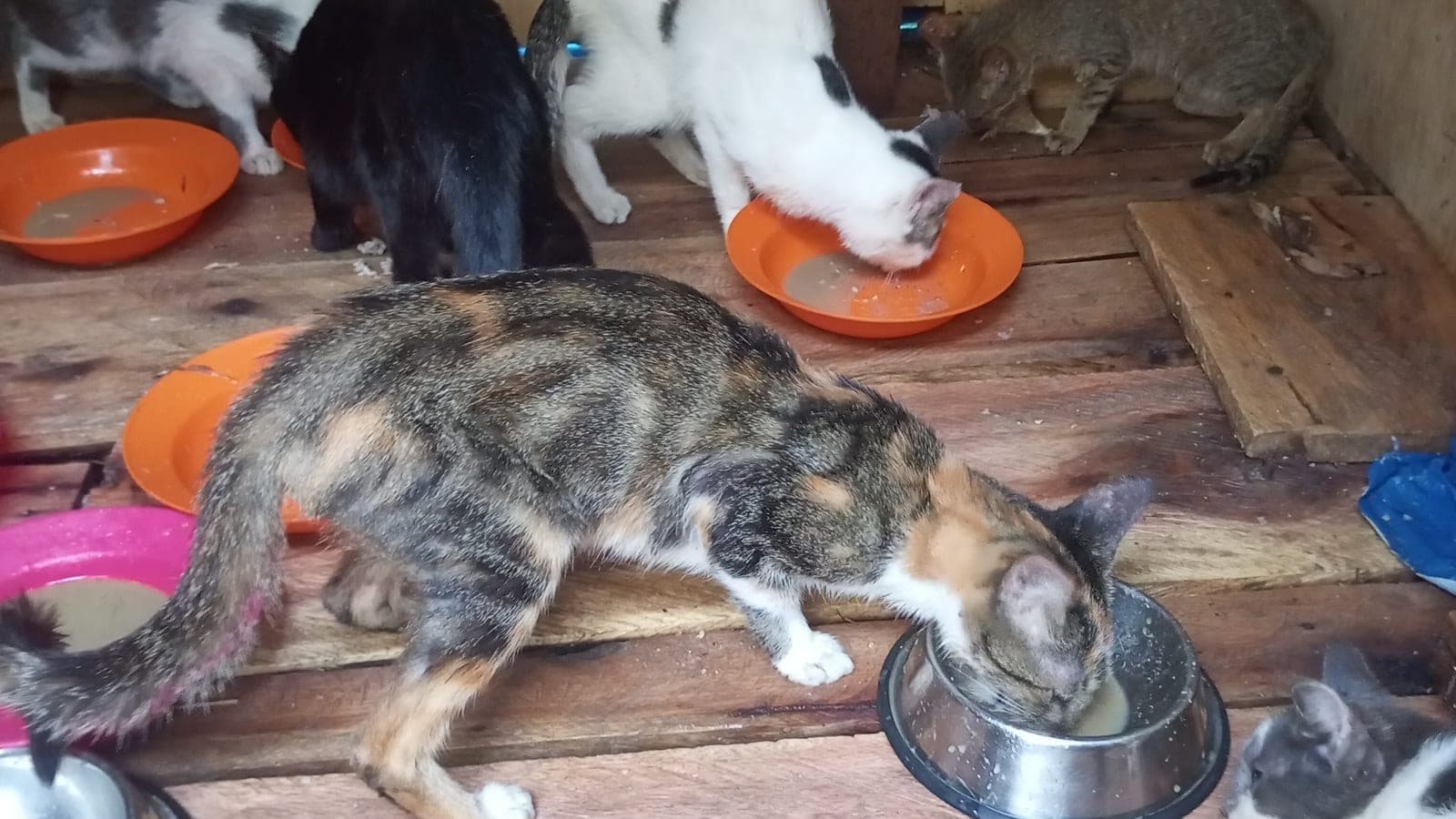
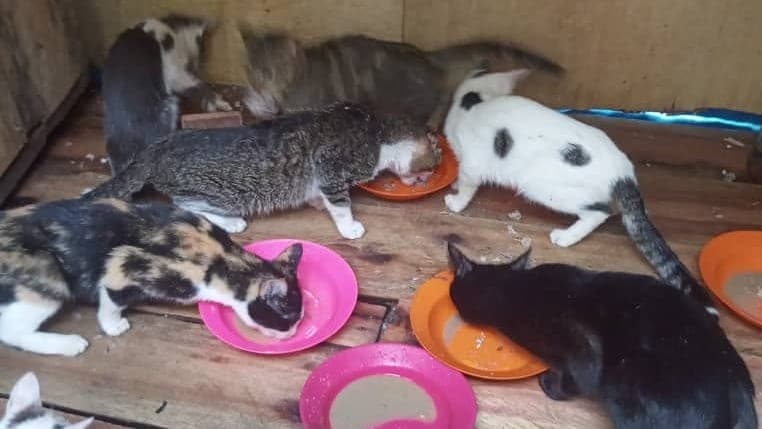
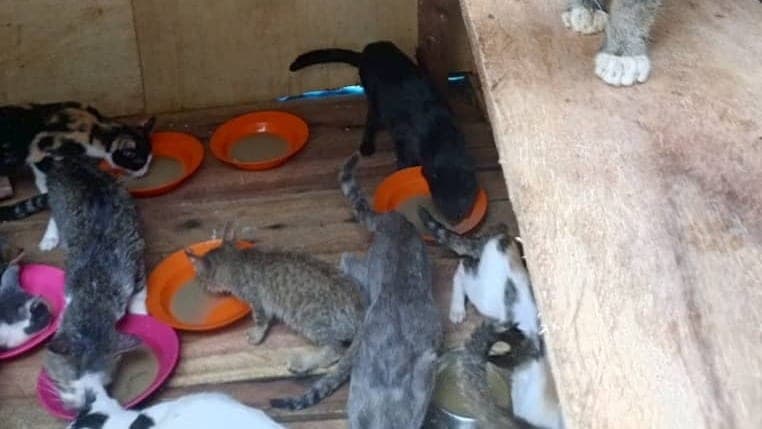
Choose a campaign to support
Read the need, budget, intended recipient and organiser updates before choosing a campaign.
A badge records manual campaign review, not a guarantee. The ledger shows donations and transfers, not proof of their eventual use. Check evidence and outcomes supplied by the organiser. Each campaign shows whether cards are available for supporters abroad.
About Animal Welfare fundraising in Africa
Animal welfare is a smaller fundraising category in most African markets than it is in the West, and we want to be honest about that. There is far less pet crowdfunding here than you would see in Europe or North America. What is real, and what people do raise money for, is the animal work that keeps families and communities going.
The biggest one is livestock. When a disease outbreak or a long drought wipes out a herd, that is not a hobby loss, it is a household's savings and income gone in a few weeks. A family in a pastoralist area may lose most of its goats or cattle and need help with restocking, fodder, or emergency vet treatment to save the animals that are still standing. Community pots also keep working animals healthy. The donkey that hauls water, the ox that ploughs, the horse that pulls a cart in town, all of these earn a living and all of them need vet care when they get injured or sick.
The other piece is the handful of urban animal shelters and the SPCA bodies, like KSPCA in Kenya or the SPCAs across the region. These organisations run on tight budgets and rely on regular contributions for shelter food, vaccinations, sterilisation drives, and rescue operations. There is also conservation-adjacent community work near parks and reserves, where local groups support snare removal, anti-poaching patrols, or care for orphaned wildlife.
SenteMe was built for exactly this kind of month-to-month, community-pot fundraising. A coordinator creates a campaign for free and gets one shareable link. Contributors send mobile money from whatever wallet they already use, no card and no app download. Every contribution and every withdrawal shows up on a public running ledger, so a shelter's supporters or a herder's neighbours can see precisely what came in and what was spent. Check the payment breakdown before confirming; and starting a campaign costs nothing.
Whether you are helping a neighbour replace animals lost to disease, keeping a working donkey on its feet, or topping up a local shelter's food and vet fund, the goal is the same. Make it easy to give, easy to track, and easy to trust. If your cause leans more toward wildlife, parks, or land, our environment hub may fit better, and emergency relief covers sudden disasters like drought and floods.
The standard withdrawal deduction is 7.5%, potentially higher for provider costs and rounding. Card processing and conversion costs are separate.
Organising a fundraiser?
How to raise money for animal welfare
01
Name the animal need plainly
Say exactly what the money is for. Vet treatment for a working donkey, restocking goats after a disease outbreak, or a month of food for a shelter. A clear, honest title raises more than a vague one because people know what they are paying for.
02
Set a real number and a short window
Work out the actual cost. The vet quote, the price of fodder, the shelter's monthly food bill, and set that as your target. Round figures with a deadline give contributors a reason to act now rather than later.
03
Create your free campaign and get one link
Setting up takes a few minutes and costs nothing. You get a single shareable link and a public ledger. No card details and no upfront payment, just the link you will send out.
04
Share where your people already are
Send the link on WhatsApp, in the chama or cooperative group, on Facebook, and by SMS. For livestock or working-animal causes, the people most likely to give are neighbours and fellow herders who understand the loss.
05
Post a vet note or photo for proof
A photo of the animal, a vet's note, or a shelter intake record makes the ask credible. People give more readily when they can see the animal and the problem rather than just a number.
06
Withdraw to mobile money and show the spend
Pull funds to your mobile-money wallet when you need to pay the vet or buy feed. The 7.5% fee comes off at withdrawal. Then post what you spent so the ledger and your supporters stay in step.
How to support animal welfare causes
Give from your mobile-money wallet
Open the campaign link and send whatever you can from the wallet you already use. Contributors pay no extra fee, so the full amount you send goes into the pot.
Check the public ledger first
Every contribution and withdrawal is listed in the open. Read it before you give and again afterward so you can see your money arrive and see how it was used.
Forward the link to the right people
For a livestock or working-animal cause, the strongest givers are often neighbours, cooperative members, and traders who know the value of the animals. A forwarded link from someone trusted carries more weight than an advert.
Back the local shelter every month
Urban shelters and SPCA bodies survive on steady support, not one-off spikes. A small repeat contribution toward food and vet care keeps the work running between emergencies.
Frequently asked questions
How do I raise money for a vet bill in Kenya or Uganda?
The standard withdrawal deduction is 7.5%; higher provider costs and rounding can increase it. Card processing and conversion costs are separate. Review the breakdown before confirming.
Can I fundraise to replace livestock lost to disease or drought?
Yes, and this is one of the more common animal-related causes on the platform. Losing a herd to a disease outbreak or a drought is a serious economic blow, so a community pot for restocking, fodder, or emergency treatment makes sense. Be specific about how many animals you lost and what restocking will cost, and your neighbours and fellow herders are usually the people most likely to give.
Is animal-welfare fundraising common in Africa?
It is smaller here than in Western markets, where pet crowdfunding is huge. In African markets the money tends to go toward livestock recovery, working-animal vet care, and the handful of urban shelters and SPCAs. We would rather tell you that honestly than pretend the category is bigger than it is.
Can I raise money for a working donkey, ox, or horse?
Yes. Working animals earn a living for many households, so vet care for an injured donkey or a sick plough ox is a practical, fundable need. Set the target to the treatment cost and share it with people who rely on similar animals. Organisations like Brooke also work on equine welfare across East and West Africa if you want background.
How much does SenteMe charge for an animal-welfare campaign?
The standard withdrawal deduction is 7.5%; higher provider costs and rounding can increase it. Card processing and conversion costs are separate. Review the breakdown before confirming.
How do donors know the money actually reaches the animals?
Every campaign has a public running ledger that lists each contribution and each withdrawal. Donors can read it before giving and check it afterward. Posting a vet note, a feed receipt, or photos of the animals alongside the ledger builds the trust that keeps people contributing.
Can a local animal shelter or SPCA use SenteMe for monthly support?
Yes. Shelters and SPCA bodies run on steady contributions for food, vaccinations, sterilisation, and rescue work. A SenteMe campaign gives them one link to share with supporters and a transparent ledger that shows where each month's money went. That kind of openness tends to keep regular givers coming back.
Which countries can contribute mobile money to my campaign?
SenteMe works across 13 African countries and supports the mobile-money wallets people already use in those markets. Your contributors send from their own wallet without needing a card or a new app. Share the link and anyone in a supported market can give.
Can I fundraise for orphaned or rescued wildlife?
Yes, especially for community work near parks and reserves, like caring for orphaned animals, snare removal, or supporting rangers. If your cause is mainly about land, habitat, or conservation rather than individual animals, the environment hub may be a better fit. Either way, keep the ask specific so people know what they are funding.
How fast can I start collecting contributions?
You can create a campaign and get your shareable link in a few minutes, and start receiving mobile money as soon as you share it. There is no approval wait and no upfront cost. For an urgent vet bill or a fast-moving drought response, that speed matters.
Example scenarios
What animal welfare fundraising looks like
Hypothetical, composite examples. No real person is named.
Restocking goats after a disease outbreak
This is a hypothetical example. A pastoralist family near Marsabit loses most of its goat herd to an outbreak. A relative starts a campaign for restocking and emergency vet care for the surviving animals, sets the target to the cost of a small replacement herd, and shares it with neighbours and the cattle market traders who understand the loss. The ledger shows each contribution and the withdrawal that buys the new goats.
Vet fund for a community's working donkeys
This is a composite example. A youth group in Nakuru that hires out donkey carts sets up a shared vet fund after two of their donkeys are injured. They post the vet's quote and a photo, share the link in their cooperative WhatsApp group, and withdraw to pay the vet directly. Supporters can see exactly what the treatment cost on the public ledger.
Monthly food drive for a local animal shelter
This is a hypothetical example. A small urban shelter in Kampala runs short on feed before the end of each month. A volunteer starts a recurring campaign for shelter food and vaccinations, shares it with the shelter's regular supporters, and posts feed receipts each time funds are withdrawn. The open ledger keeps monthly givers confident their money is spent on the animals.
Resources for animal welfare
- KSPCA (Kenya Society for the Protection and Care of Animals)
Kenya's leading animal-welfare charity, running rescue, shelter, and welfare services in Nairobi, Mombasa, Naivasha, and Nanyuki.
- Uganda SPCA
The largest companion-animal shelter in Uganda, with adoption, foster, veterinary clinics, and rabies and sterilisation outreach.
- National Council of SPCAs (South Africa)
The body that protects animals under South African law and supports SPCAs across the country.
- Brooke
Equine welfare charity for working horses, donkeys, and mules, with offices and projects across East and West Africa.
- Sheldrick Wildlife Trust
Kenya-based orphan elephant rescue and rehabilitation, with mobile veterinary units and anti-poaching work.
- KALRO (Kenya Agricultural and Livestock Research Organization)
Government research body covering livestock systems, animal health, and climate-smart farming guidance for herders and farmers.
- WOAH (World Organisation for Animal Health)
Global authority on animal health, with Africa programmes on livestock disease surveillance and control.
- FAO (Food and Agriculture Organization)
UN agency supporting livestock and animal-production work, including drought and disease response in pastoralist regions.