Community and neighborhood support fundraisers across Africa
From a village borehole to classroom desks and street security lights, gather your neighbours around one link and watch every shilling arrive in a public ledger.
Browse active community campaigns
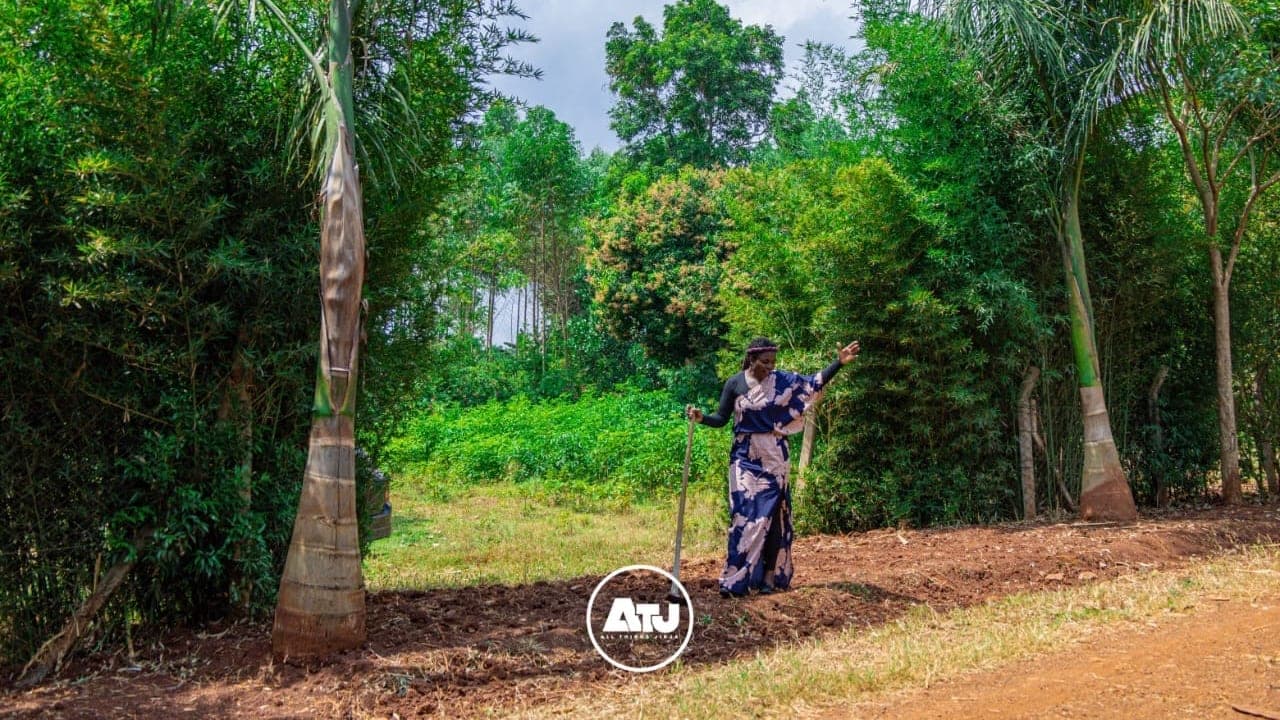
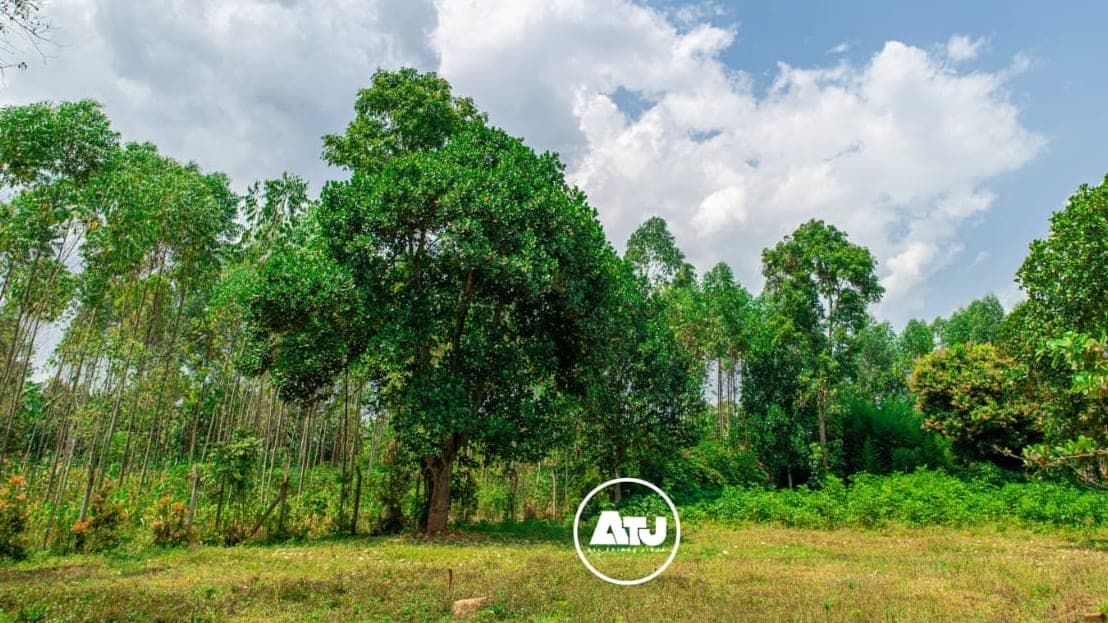
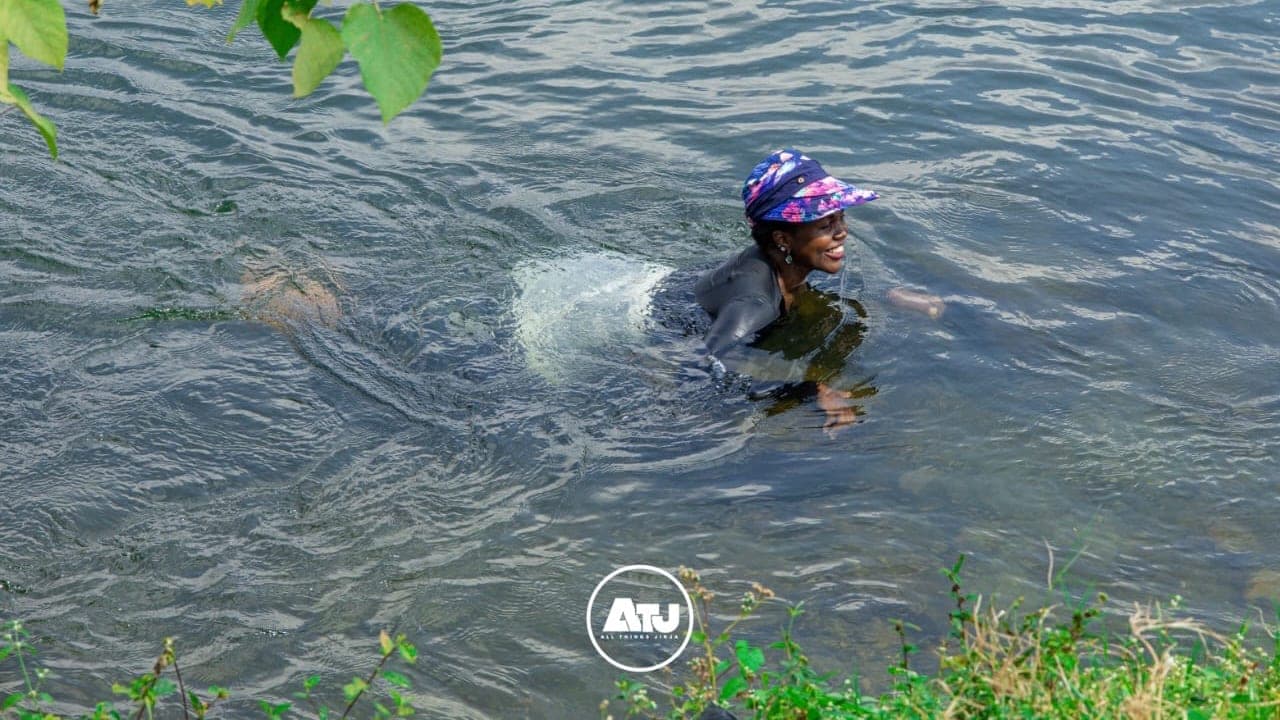
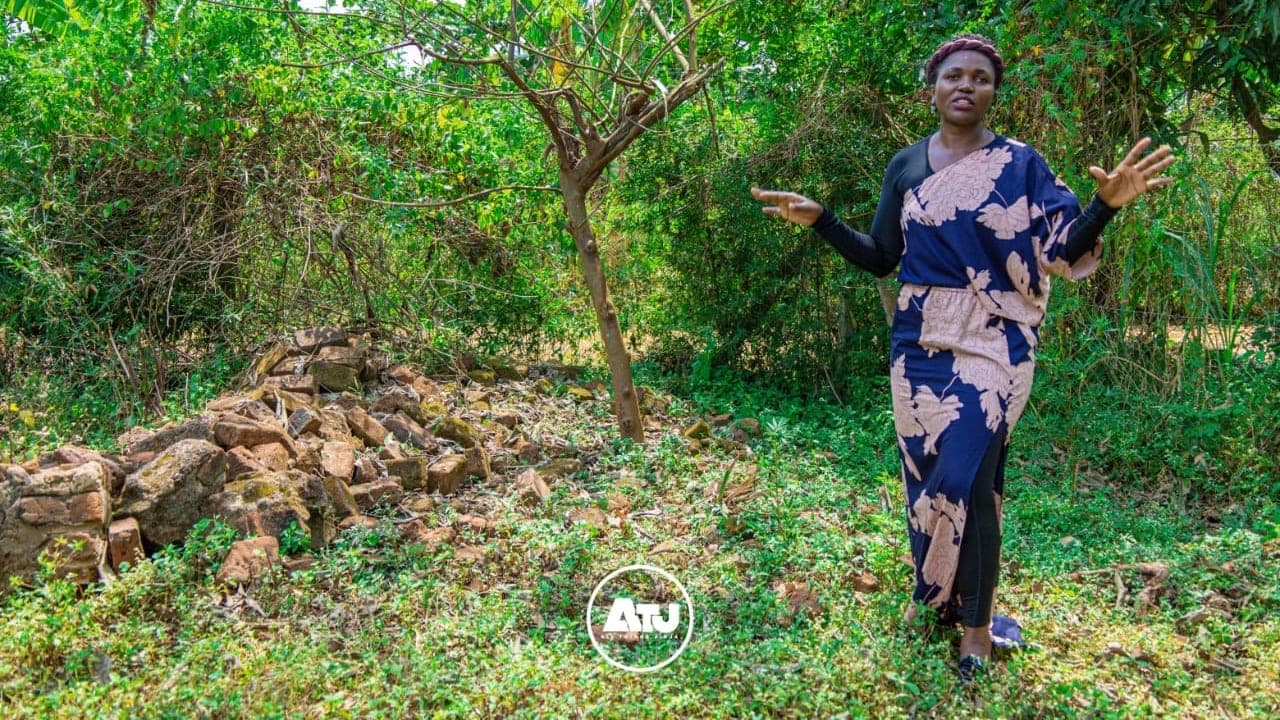 Jinja, Uganda
Community & Neighborhood Support
Building the Reading Eco-Retreat by River Nile
by Athman
117,000 UGX pooled of 13,000,000 UGX
7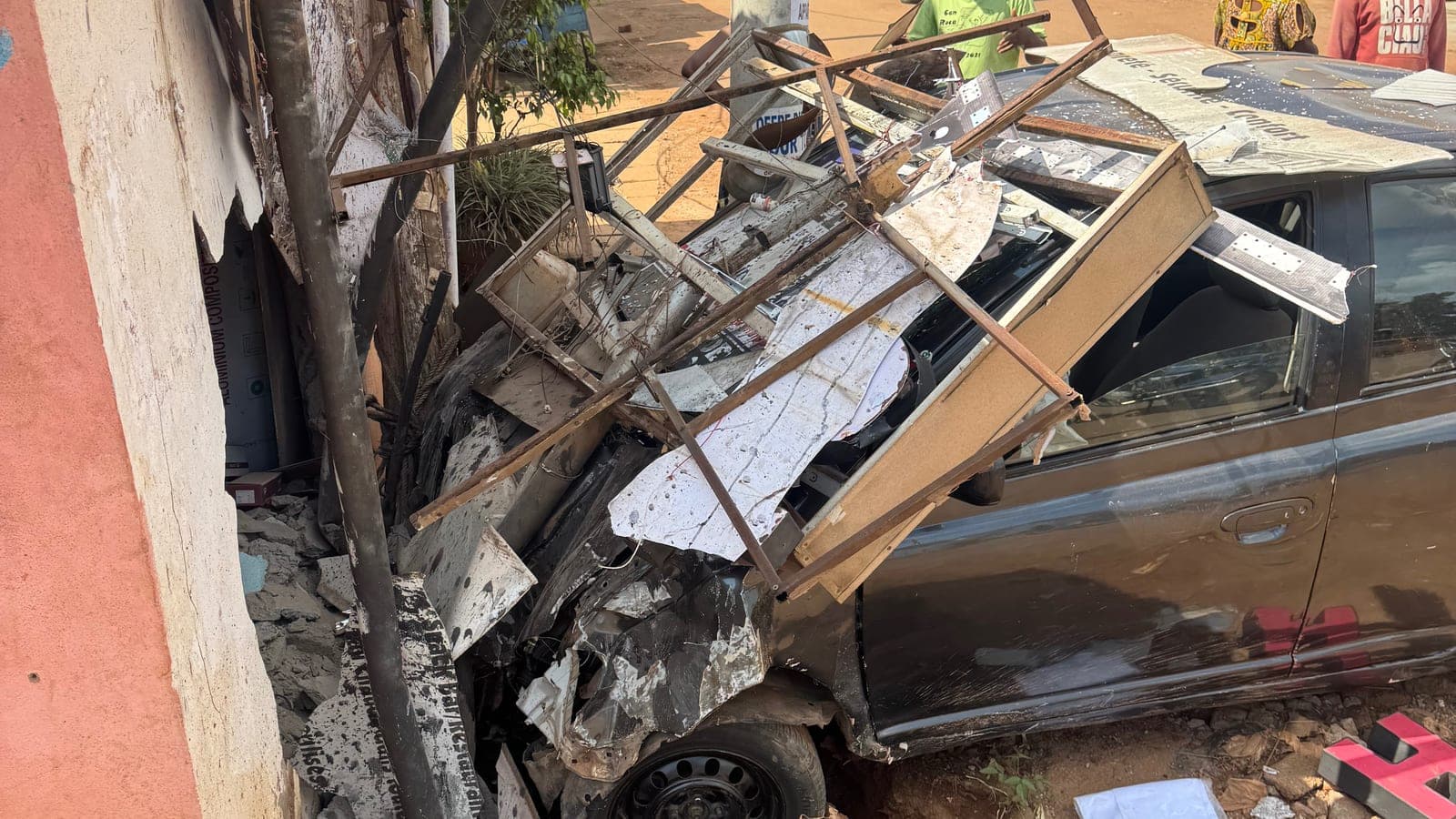
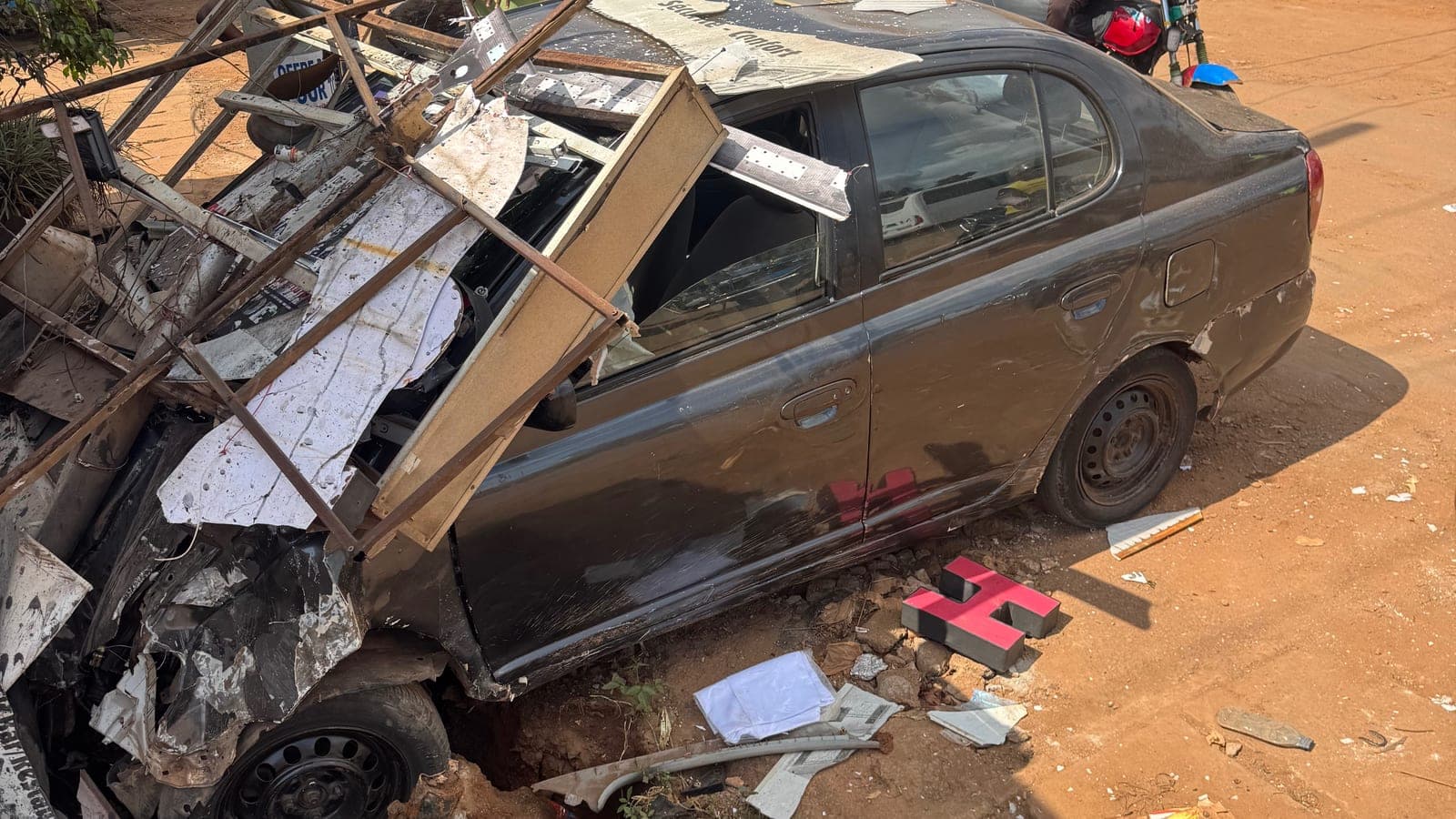
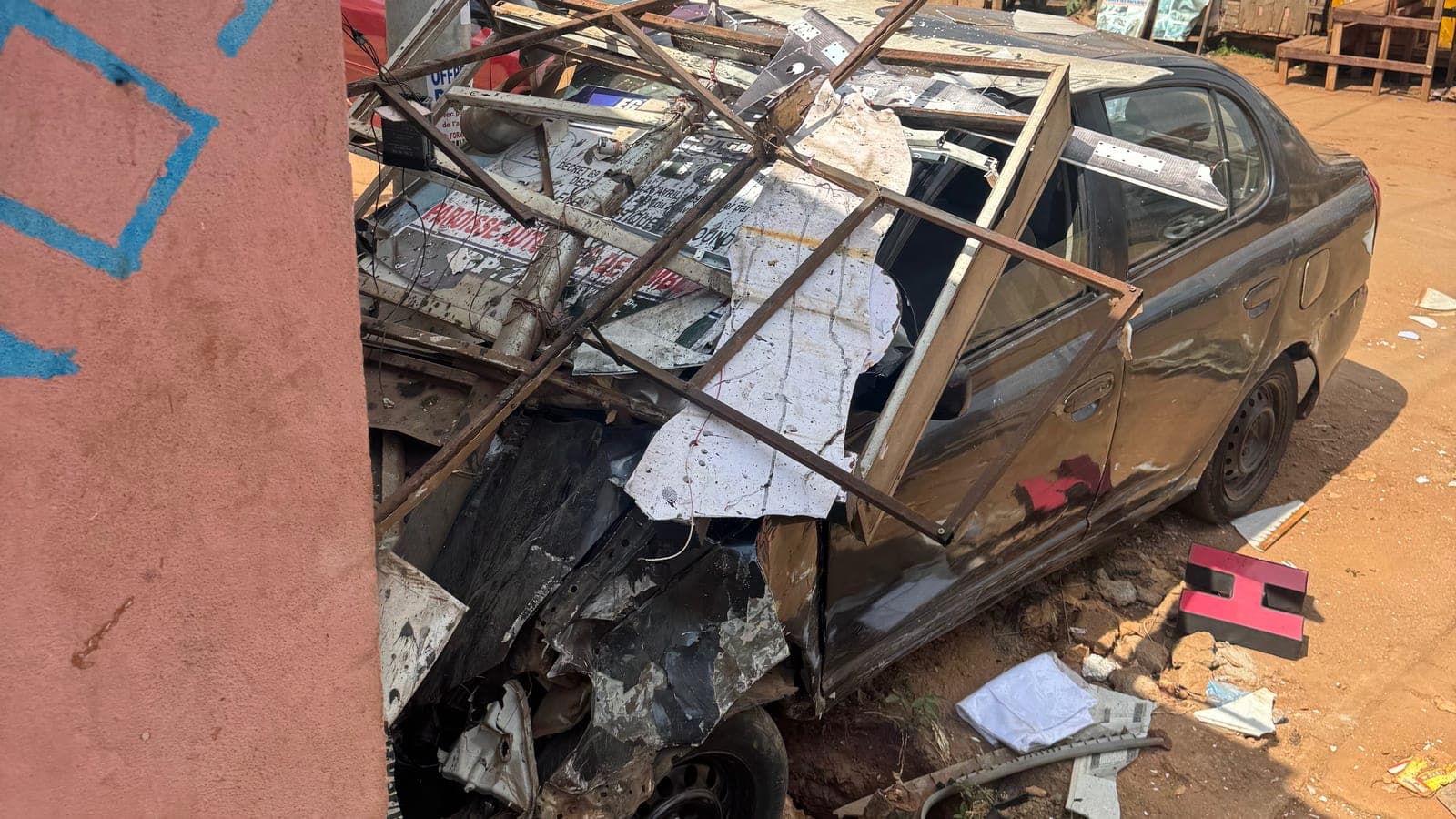
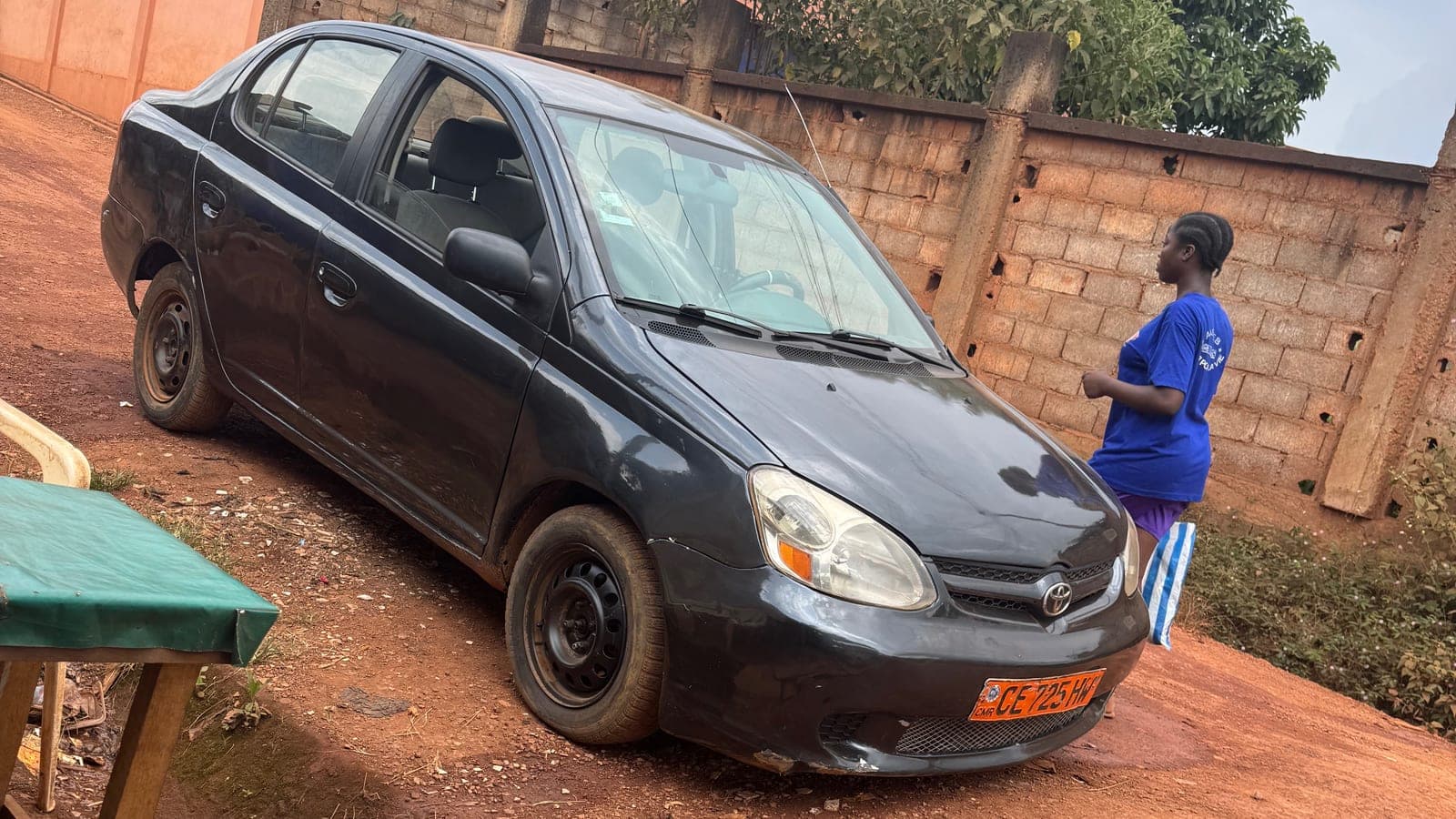 Yaoundé, Cameroon
Community & Neighborhood Support
Cagnotte participative
by Jules
192,452 XAF pooled of 1,000,000 XAF
7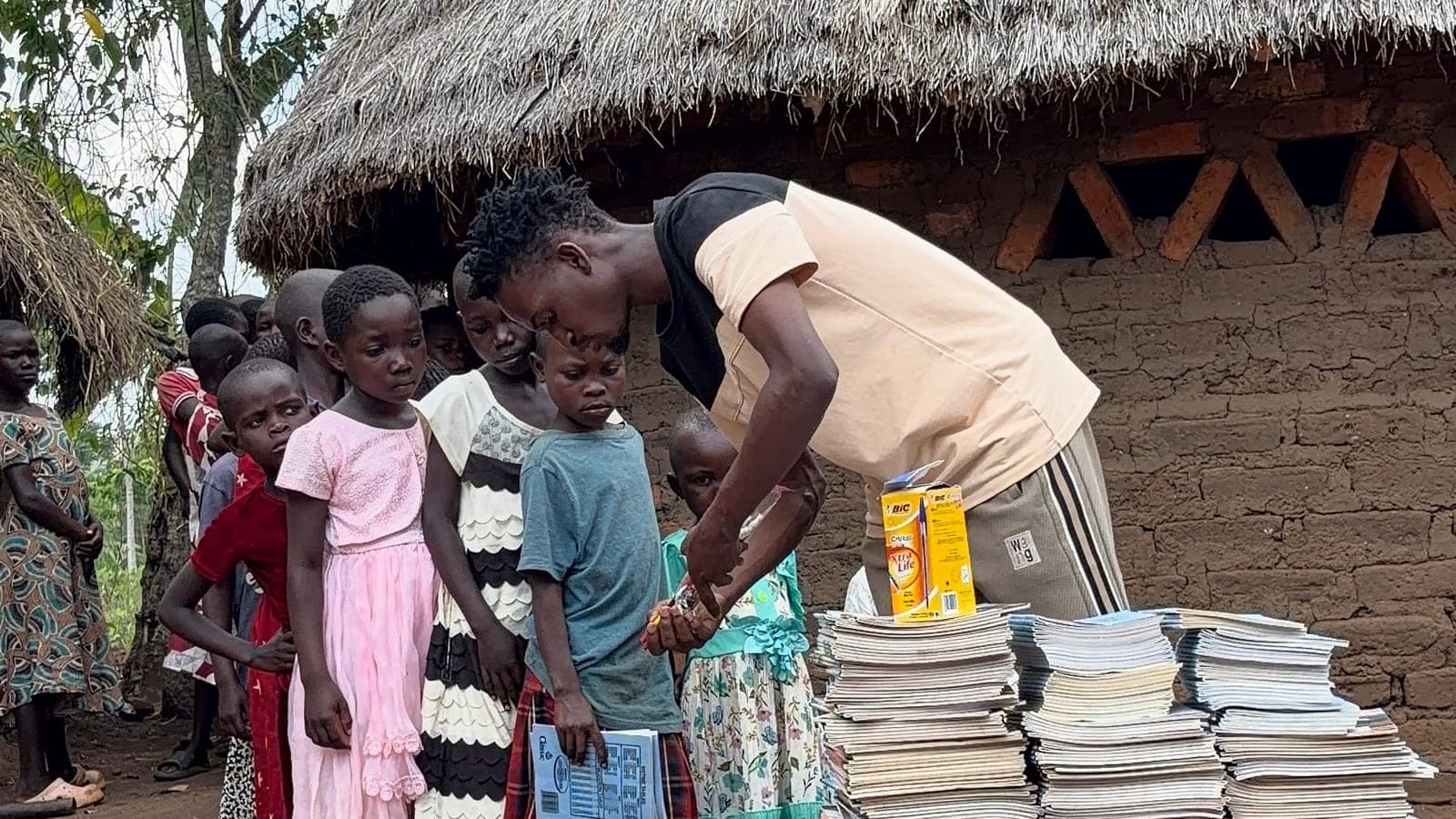
 Bugiri, Uganda
Community & Neighborhood Support
Help feed the kids
by Ssenkumbi
73,430 UGX pooled of 5,000,000 UGX
19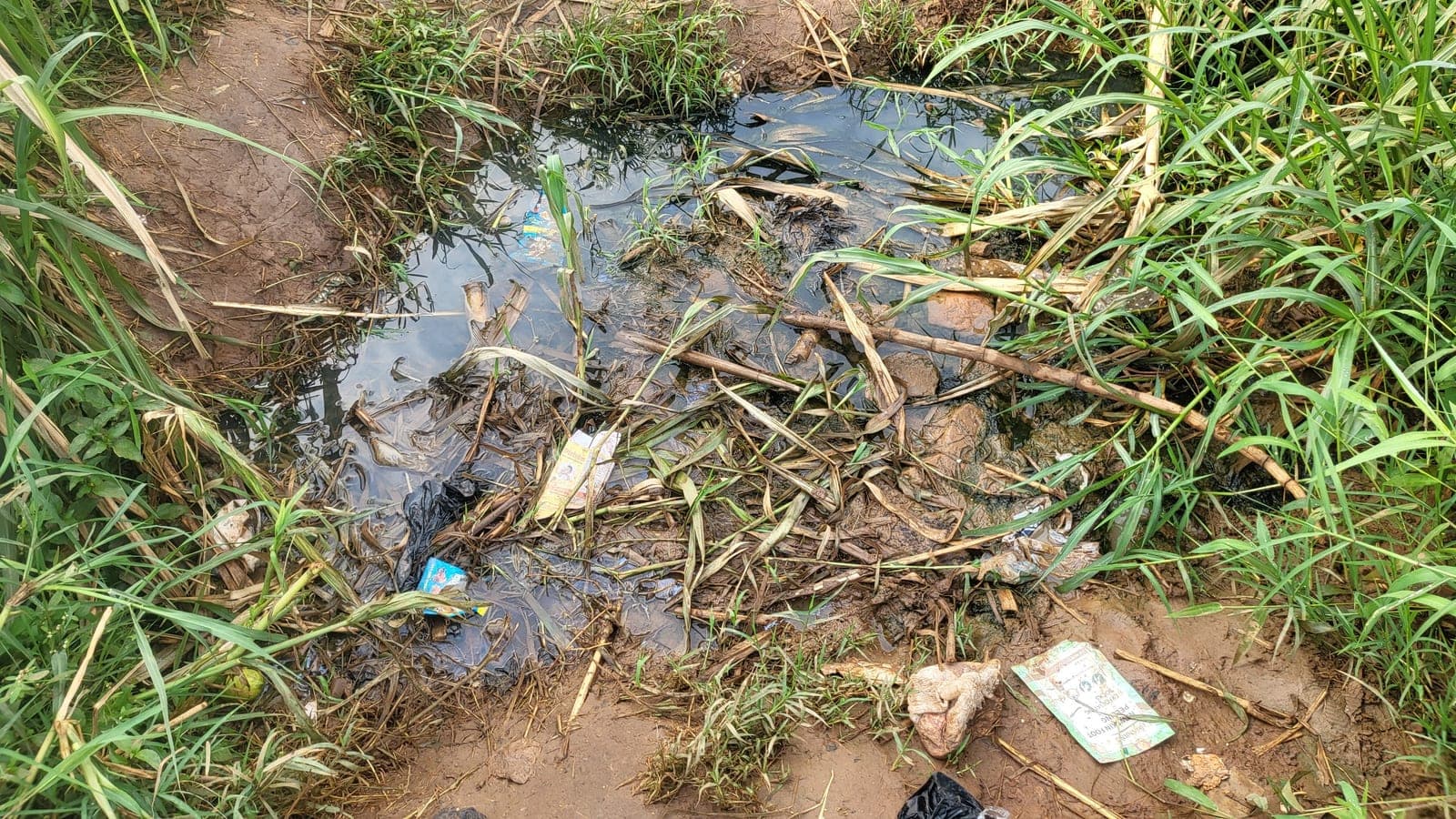
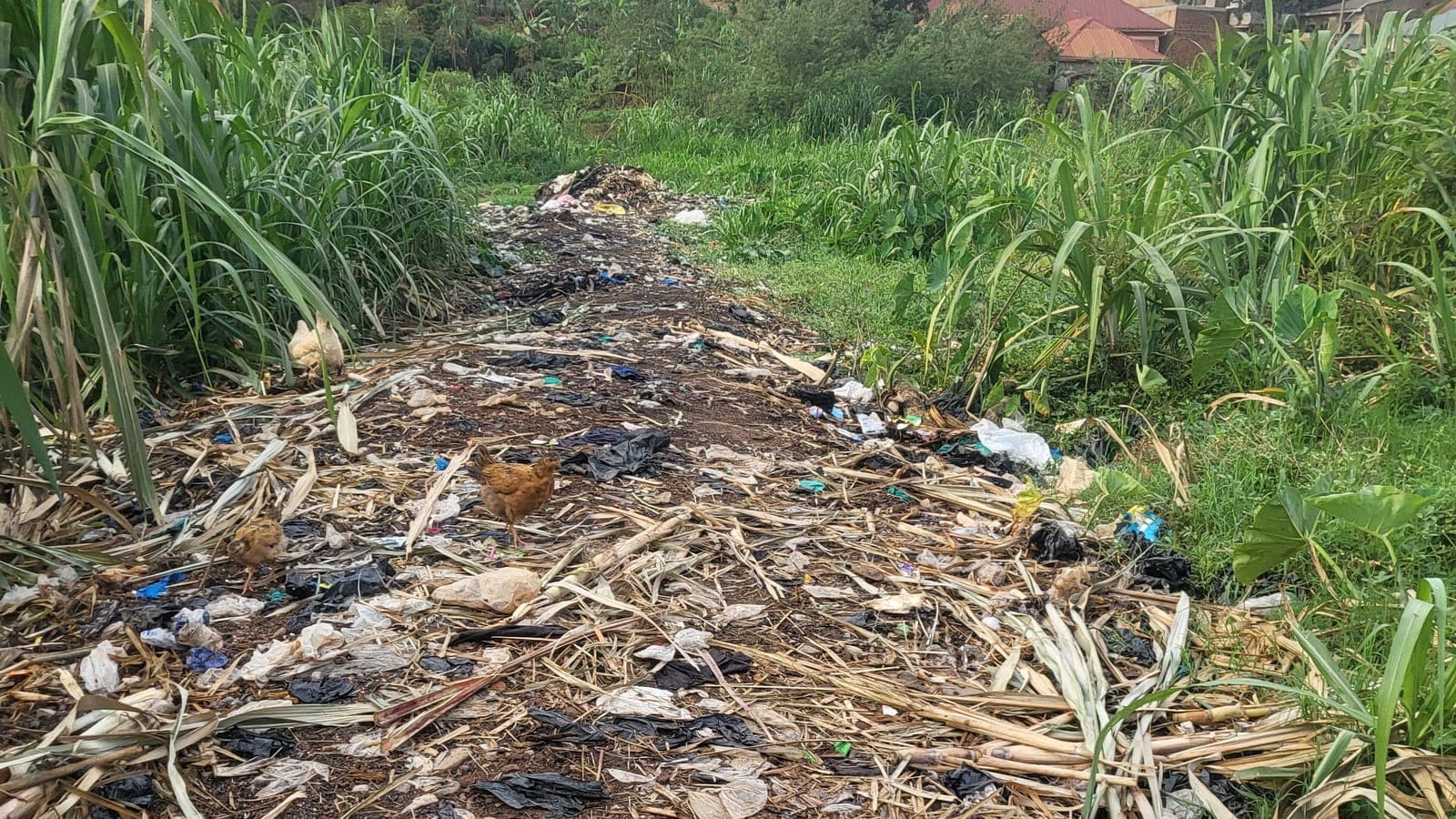
 Masaka, Uganda
Community & Neighborhood Support
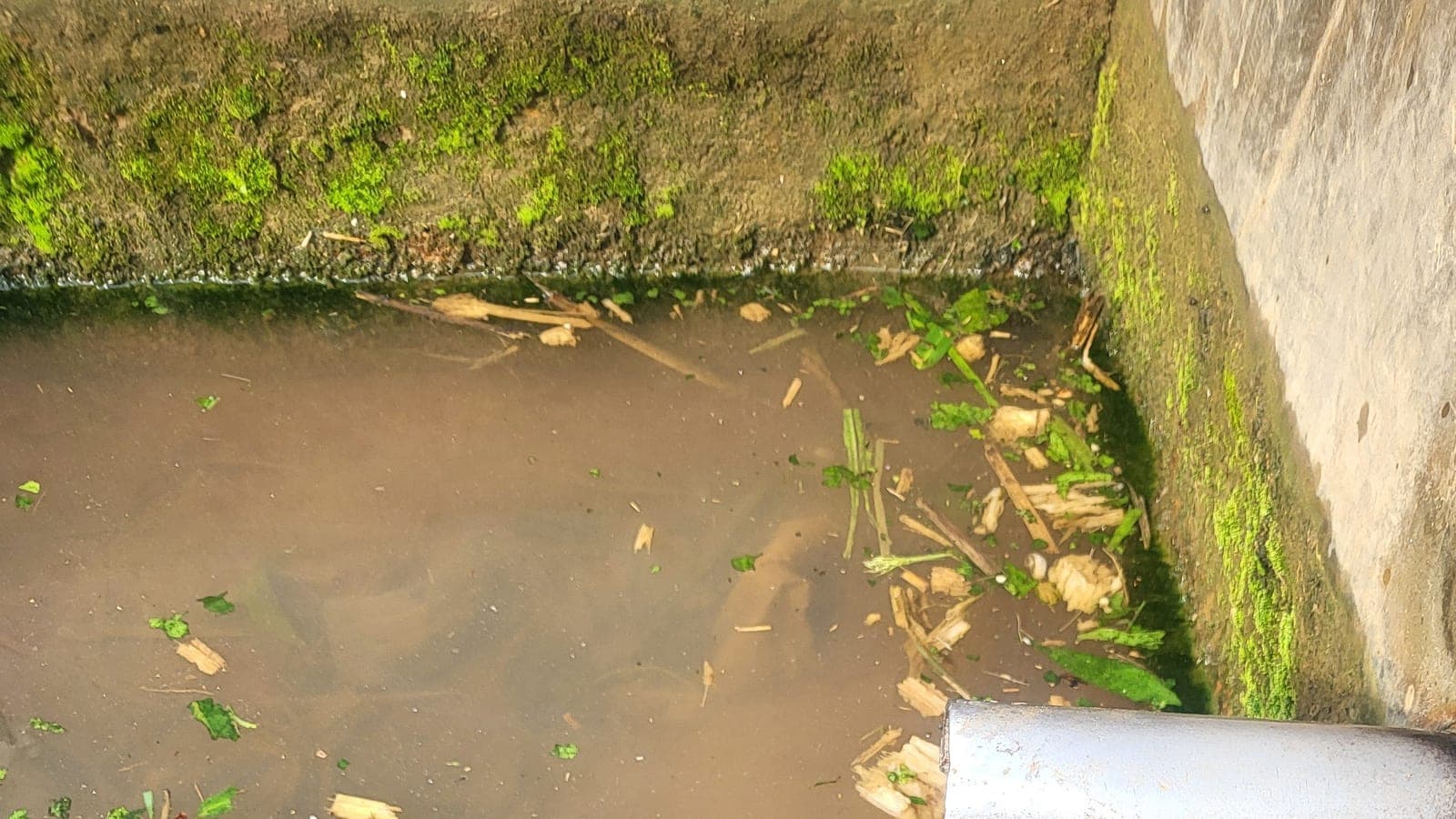
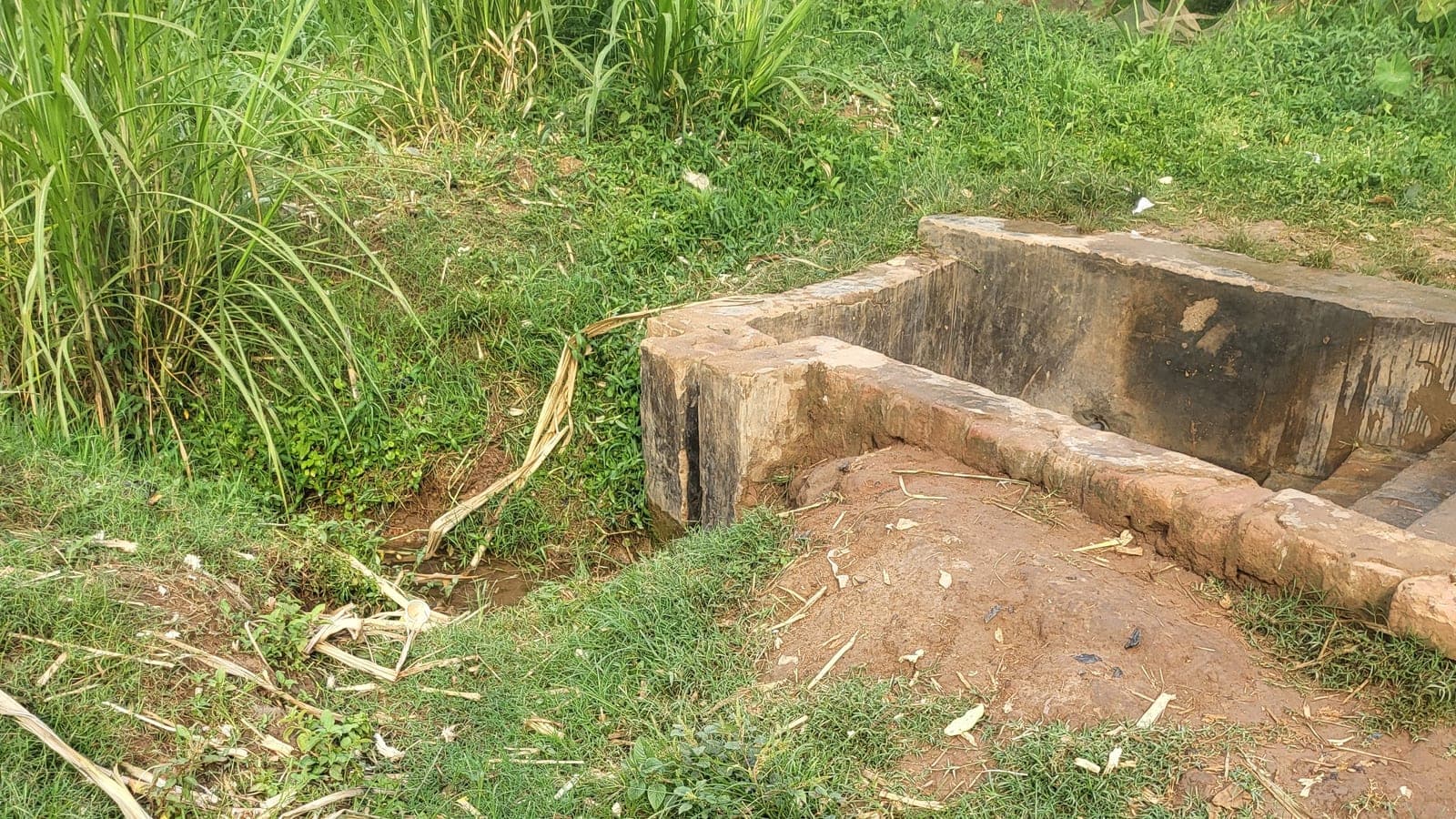
Kisojo Clean well, Healthy Homes
by Waiswa
630,907 UGX pooled of 4,000,000 UGX
7
Choose a campaign to support
For a well or clean-water project, look for the location, planned work, budget and responsibility for maintenance. Check for project milestones and updates explaining how the work is progressing.
A badge records manual campaign review, not a guarantee. The ledger shows donations and transfers, not proof of their eventual use. Check evidence and outcomes supplied by the organiser. Each campaign shows whether cards are available for supporters abroad.
About Community & Neighborhood Support fundraising in Africa
Across Kenya, Uganda, Tanzania and the wider region, the strongest projects have always been the ones the neighbours build themselves. The harambee tradition, self-help groups, chamas and village development associations all rest on the same idea: when everyone puts in a little, the whole street, estate or village gets something none of them could afford alone. SenteMe takes that habit online so a community fundraiser no longer depends on a notebook at the chief's office and a tin box that someone has to guard.
Community and neighborhood support campaigns on SenteMe cover the practical things people pool money for every day. A borehole or shallow well so women stop walking three kilometres for water. Murram on the access road before the rains cut the village off. Desks and a roof for the local classroom. Solar security lights at the trading centre so the boda stage is safe after dark. A culvert, a footbridge, a perimeter fence for the dispensary. These are the projects that used to stall because no one trusted who was holding the cash.
The way it works is simple. A coordinator creates the campaign for free and shares one link on the estate WhatsApp group, the SACCO, the church or the mosque. Contributors send mobile money straight from their phones, and every contribution shows up on a public running ledger that anyone can open. When money is withdrawn for cement, fuel or the drilling crew, that withdrawal is logged too. There is no hidden float and no treasurer guessing from memory at the next meeting.
The fee is flat and honest. That transparency is what convinces the diaspora cousin in Nairobi or London to send their share, because they can see exactly where the borehole project stands before they tap send.
Community fundraising sits alongside the work that government devolution and the Constituency Development Fund cannot always reach in time. A water project, a road repair or a school block often needs money this month, not next budget cycle, and a neighbourhood that organises itself gets there faster. Whether you are reviving a dormant self-help group or starting fresh with a few households on your lane, you can browse active community and neighborhood support campaigns for ideas or launch your own in a few minutes.
The standard withdrawal deduction is 7.5%, potentially higher for provider costs and rounding. Card processing and conversion costs are separate.
Organising a fundraiser?
How to raise money for community & neighborhood support
01
Agree the project and the number with your neighbours
Before you collect a shilling, settle what you are building and what it costs. Get one quote for the borehole drilling or the murram delivery, add transport and a small buffer, and bring that figure to the WhatsApp group or the next harambee meeting so everyone is contributing toward a real target, not a vague pot.
02
Create the campaign and pick a clear title
Set up your SenteMe campaign for free. Use a title people recognise, like "Kawangware Lane borehole" or "Wakulima Primary classroom roof", write two or three honest lines about the need, and add a photo of the site so contributors and the diaspora can see exactly what they are funding.
03
Share the one link everywhere your community already talks
Drop the link in the estate WhatsApp group, the chama, the SACCO, the church or mosque announcement, and any village or alumni association you belong to. One link works for everyone, so you are never reading out a paybill number over a bad phone line again.
04
Let the public ledger answer the trust question
When someone asks who is holding the money, send them the campaign link. The running ledger shows every contribution as it lands and every withdrawal as it goes out, so the old worry about a treasurer disappearing with the tin box simply does not apply.
05
Withdraw in stages as the work progresses
The standard withdrawal deduction is 7.5%; higher provider costs and rounding can increase it. Card processing and conversion costs are separate. Review the breakdown before confirming.
06
Report back and thank the contributors
Post a short update with a photo each time a milestone is reached. People who gave once will give again to the next neighbourhood project when they see the borehole working, and a community that finishes one campaign well finds the next one far easier to fund.
How to support community & neighborhood support causes
Open the link and read the ledger first
Tap the campaign link and look at the running ledger before you give. You can see how much has come in, how much has been withdrawn and what for, which tells you straight away that this is a genuine community project and not a guess.
Send your share by mobile money
Contribute straight from your phone using the mobile money you already use. You pay nothing on top of your contribution, the flat fee is only taken when the coordinator withdraws, so the amount you send is the amount that counts toward the borehole or the classroom.
Share the link with people who belong to the place
Forward the campaign to family in the diaspora, old schoolmates and former neighbours who moved to town. A street or village project gets over the line fastest when everyone who once called it home chips in their portion, even from far away.
Frequently asked questions
How do I start a community fundraiser for a village borehole?
Create a free campaign on SenteMe, give it a clear title like "Kanyariri borehole project", and add a short description with a photo of the site and a target based on a real drilling quote. Share the single link in your village WhatsApp group, the self-help group and the diaspora chat. Contributors send mobile money and every shilling shows on the public ledger as it arrives.
Is SenteMe better than a harambee with a tin box and a notebook?
It does the same job with no cash to guard and no arguments about what was collected. Instead of one person holding notes and writing names in a book, every contribution and every withdrawal is recorded on a public ledger that anyone can open. That removes the usual worry about who is holding the money and makes it easier to ask the diaspora to send their share.
What fees does SenteMe charge a community group?
The standard withdrawal deduction is 7.5%; higher provider costs and rounding can increase it. Card processing and conversion costs are separate. Review the breakdown before confirming.
Can the diaspora contribute to a neighbourhood project back home?
Yes, and this is one of the main reasons groups use SenteMe. You share one link and family abroad can send their portion using mobile money, then watch the same public ledger as everyone at home. They can see the road repair or classroom fund growing in real time, which makes them far more comfortable sending money for a project thousands of kilometres away.
How does the public ledger stop money from going missing?
Every contribution appears on the ledger the moment it lands, and every withdrawal is logged with the amount taken out. There is no private float and no treasurer working from memory, so at the next meeting the figures are already there for everyone to read. If a contributor or a member asks where the money went, you simply send them the link.
What kinds of community projects can I raise money for?
Anything a neighbourhood pools money for: boreholes and shallow wells, road murram and culverts, classroom desks and roofing, solar security lights at the trading centre, a perimeter fence for the dispensary, a footbridge, or a water tank for the estate. If your self-help group or village development association is already collecting for it, you can run it on SenteMe.
Do we still need to register the self-help group with the government?
SenteMe handles the collecting and the record keeping, not your group's legal status. Many community groups still register as a self-help group, society or association so they can sign contracts, open a bank account or apply for Constituency Development Fund support. Keep your registration in order for those purposes and use SenteMe for the transparent fundraising side.
Can a community campaign work alongside CDF or county funding?
Yes. Many neighbourhoods raise their own share to start a project, then use that progress to push for matching Constituency Development Fund or county support. Government allocations often arrive on a slower budget cycle, so a community that has already drilled the borehole or laid the road base is in a far stronger position when it goes to ask for the rest.
How long should we keep a community fundraiser open?
Set the length to match the work. A single borehole or a classroom roof might run for a few weeks until the target is reached, while an ongoing project like a road or a perimeter fence can stay open and withdraw in stages as each phase is paid for. Keeping the ledger visible the whole time keeps contributors confident enough to give again.
What if we do not reach the full target for the borehole?
You decide how to proceed with what you have raised. Many groups withdraw and start the first phase, drilling or the access road for example, then keep the campaign open and share progress to bring in the remaining amount. Because the ledger shows exactly how far along the project is, contributors can see why a top up is needed and respond.
Which countries and mobile money services does SenteMe support?
SenteMe is live across 13 African countries and works with the mobile money services people in those markets already use every day. Contributors send straight from their phones in the way they are used to, so a neighbour does not need a bank account or any new app to chip in toward the project.
How do contributors know the project actually got built?
The coordinator posts updates and photos as milestones are reached, and the ledger shows the withdrawals that paid for each stage. So a contributor can match the money taken out against the work done, from the drilling deposit to the day the tap runs. That visible follow through is what makes the same people give to the next neighbourhood project.
Example scenarios
What community & neighborhood support fundraising looks like
Hypothetical, composite examples. No real person is named.
A lane in Nairobi pooling for a shared borehole
Picture eighteen households on one estate lane in Nairobi who are tired of unreliable water. They agree on a borehole quote, open a SenteMe campaign with that figure as the target, and share the link in their estate group. Neighbours and two cousins in the diaspora send their share by mobile money, the ledger shows the fund climbing, and withdrawals pay the drilling crew in tranches until the tap runs.
A village self-help group repairing the access road
Imagine a self-help group in a village near Eldoret whose access road floods every rainy season. They run a SenteMe campaign for murram and a culvert, collect from members and from former residents now working in town, and withdraw in stages as each load of murram is delivered. The public ledger lets every member see the progress without waiting for the next meeting.
Resources for community & neighborhood support
- World Bank in Africa
Regional data and reports on water, rural roads and community-driven development across Africa.
- UN Economic Commission for Africa
Continental policy and statistics on infrastructure and local development, useful background for community planning.
- WHO Regional Office for Africa
Guidance on safe water, sanitation and community health that underpins many borehole and dispensary projects.
- charity: water
NGO funding clean water projects across Africa, a reference point for community borehole and well planning.
- International Committee of the Red Cross
Humanitarian and community infrastructure support, including water and essential services in affected areas.
- Rotary International
Local Rotary clubs across Africa fund and partner on water, schools and community facility projects.
- HelpAge International
Support and resources for older people in communities, relevant where neighbourhood projects serve the elderly.