Medical fundraising in Africa
Hospital bills, surgery, treatment abroad, chronic care. When a medical cost is bigger than one family can carry, SenteMe gives you one shareable link, a running ledger everyone can see, and mobile money from across the continent and the diaspora.
Browse active medical campaigns
 Kampala, Uganda
Medical & Healthcare
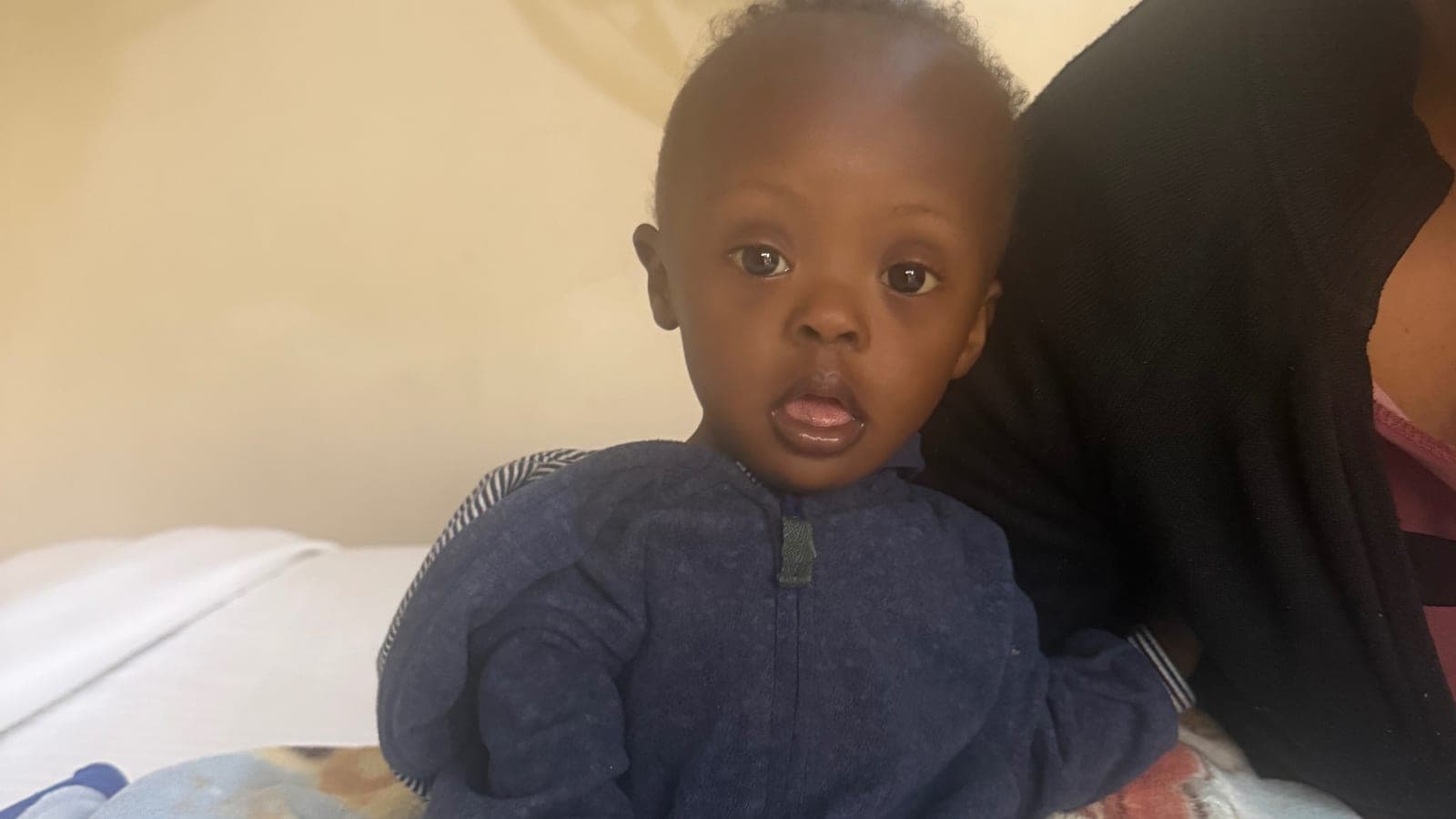
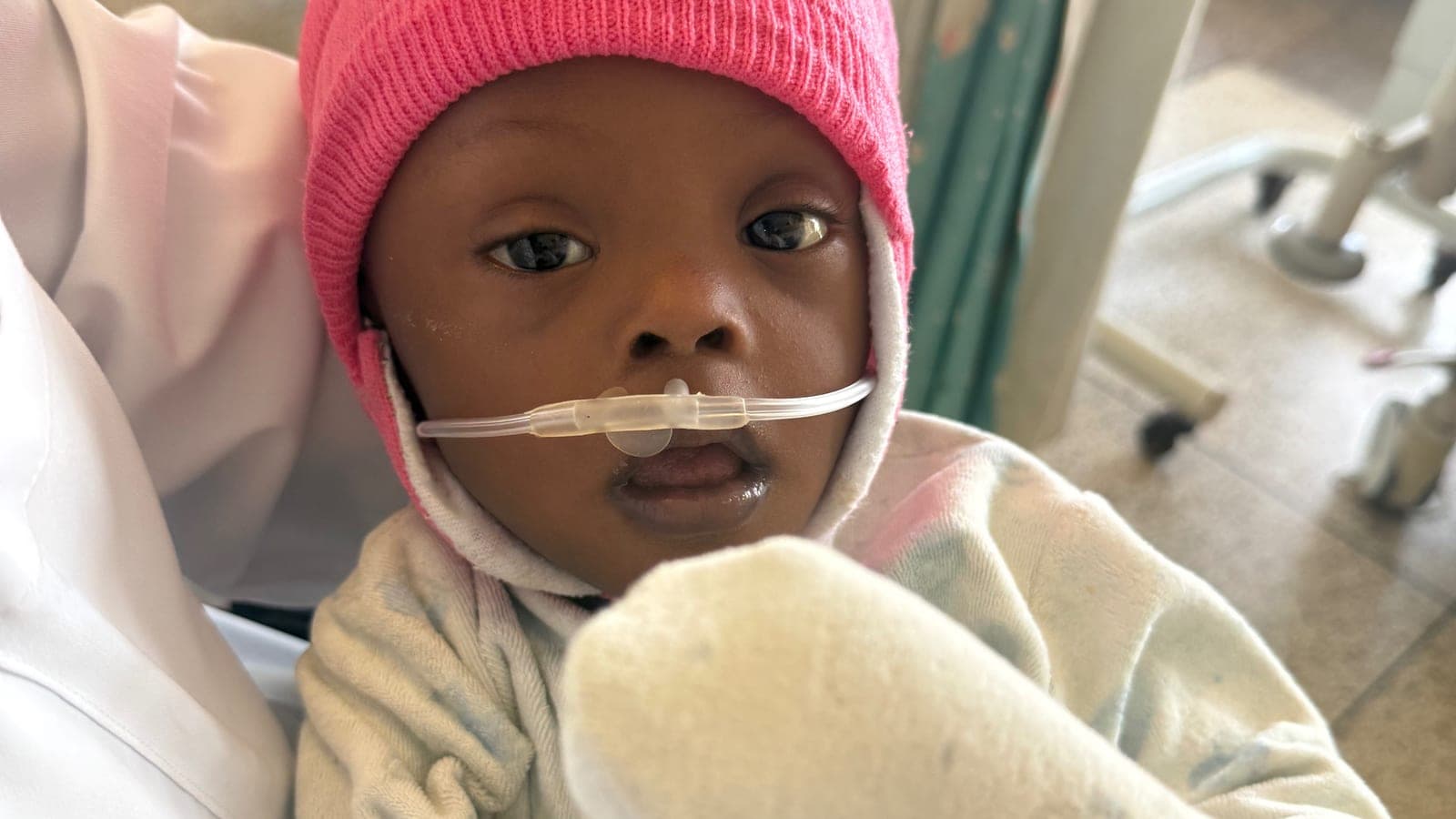
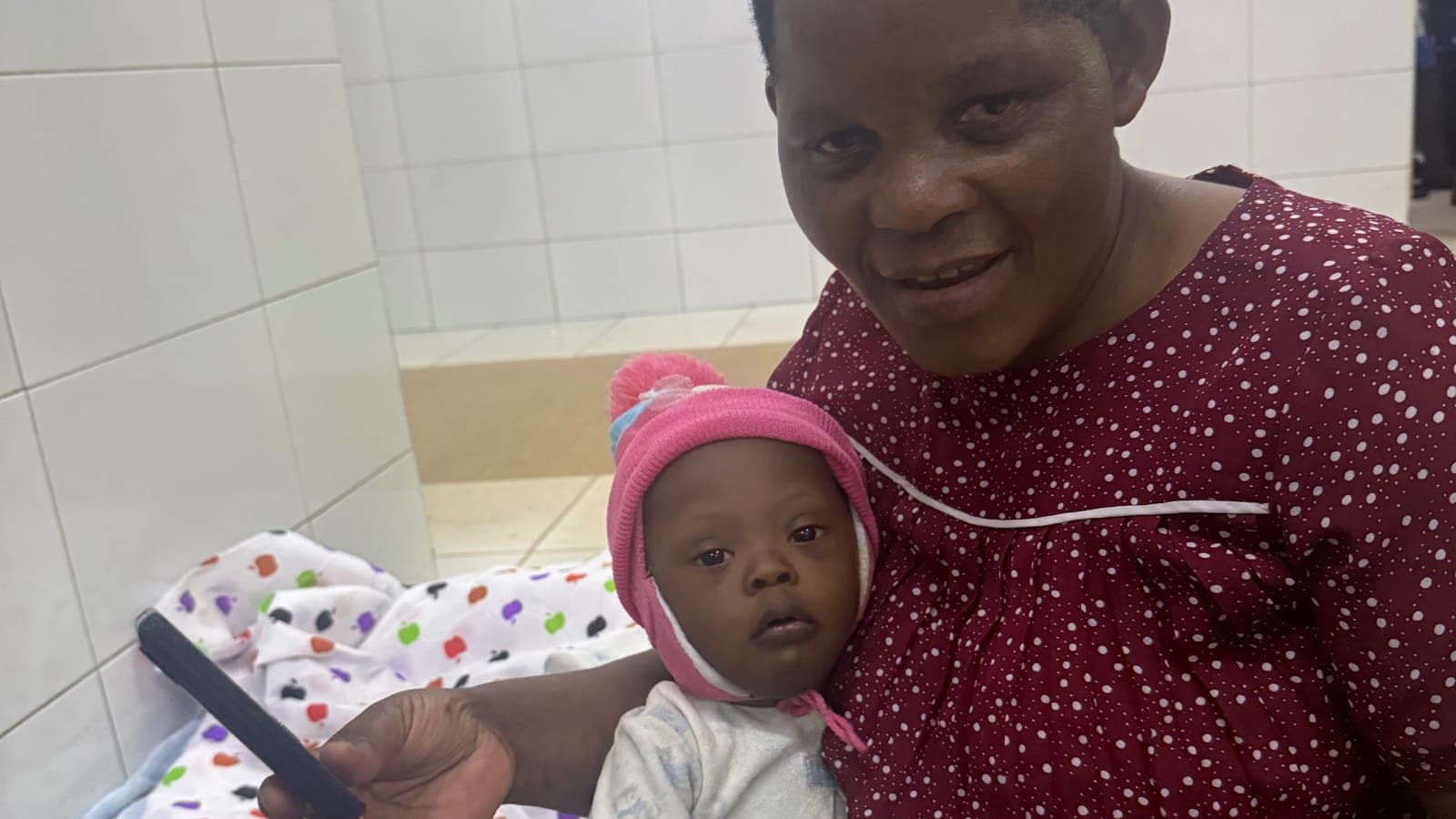
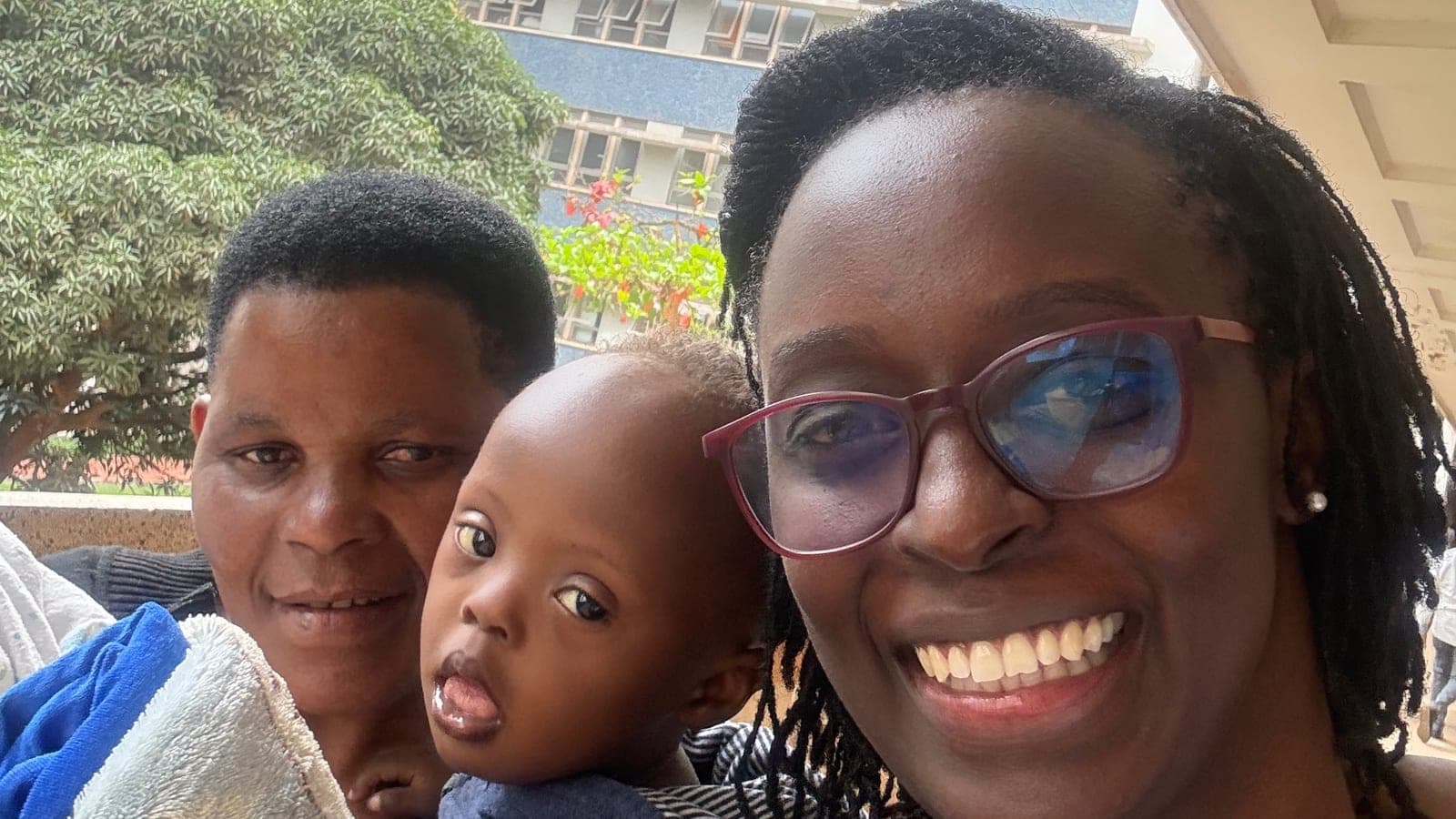
Support Ian Byukusenge
by Patricia
100,000 UGX pooled of 1,750,000 UGX
7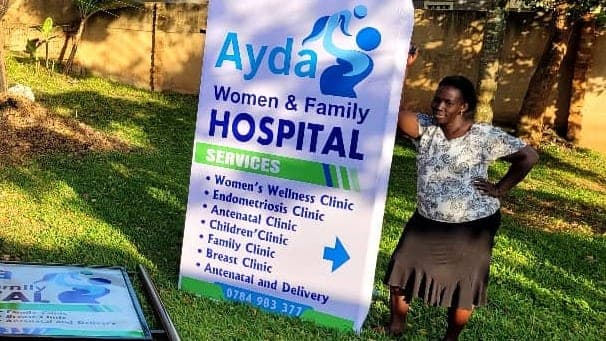
 Kampala, Uganda
Medical & Healthcare
CHARITABLE CAUSE FIGHTING FOR WOMEN'S HEALTH
by KILIRO
161,000 UGX pooled of 75,000,000 UGX
8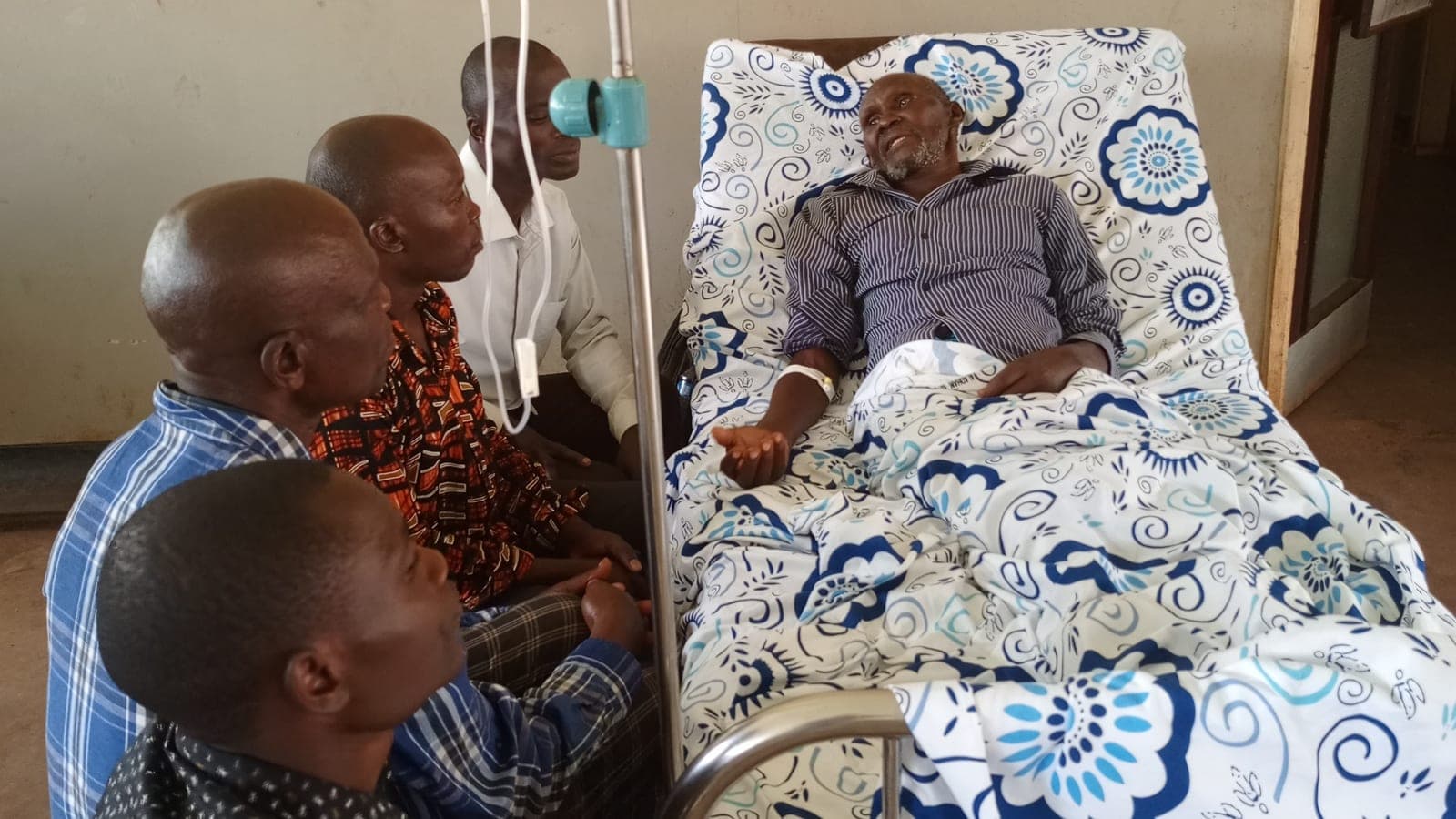
 Kampala, Uganda
Medical & Healthcare
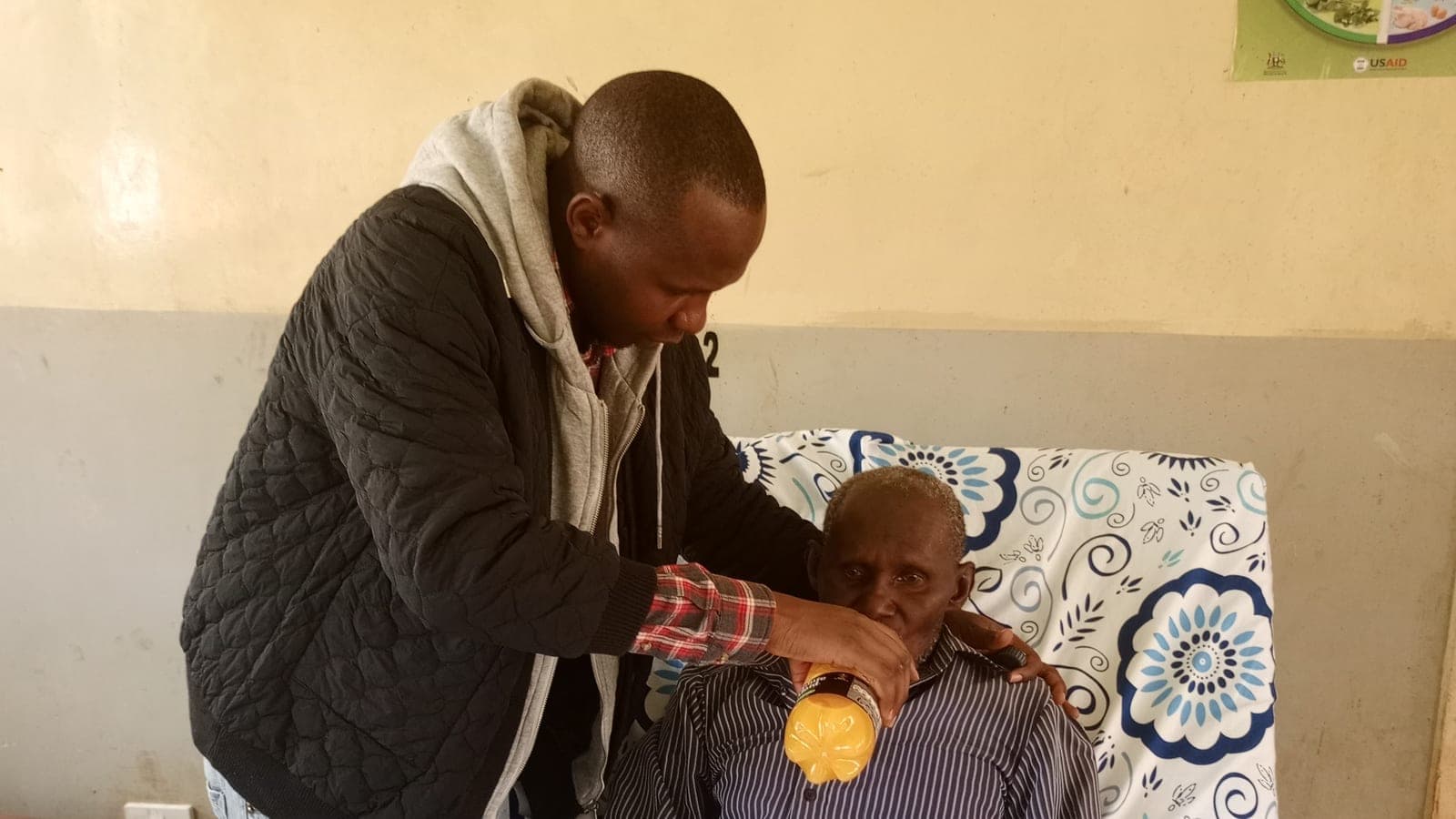
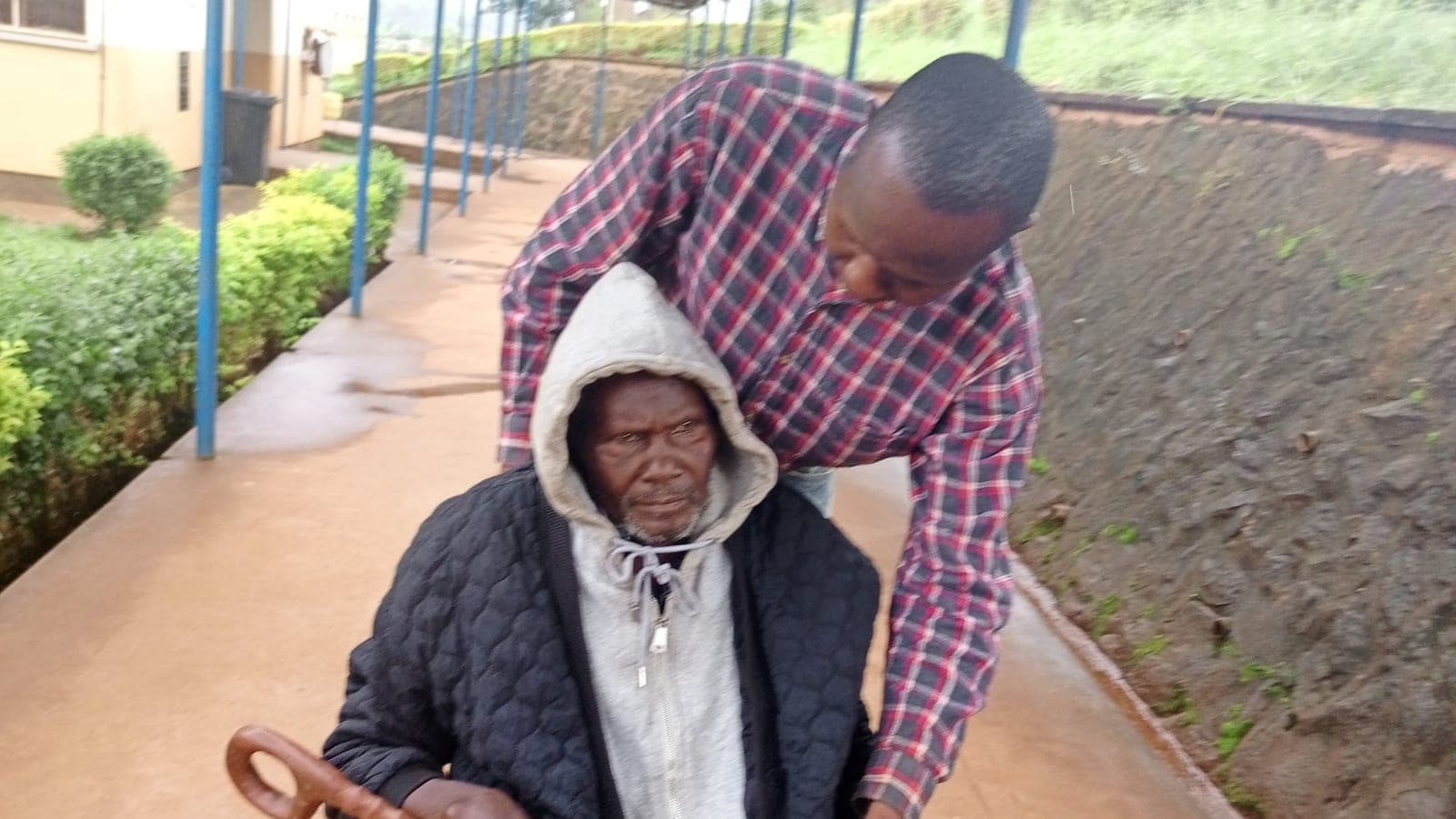
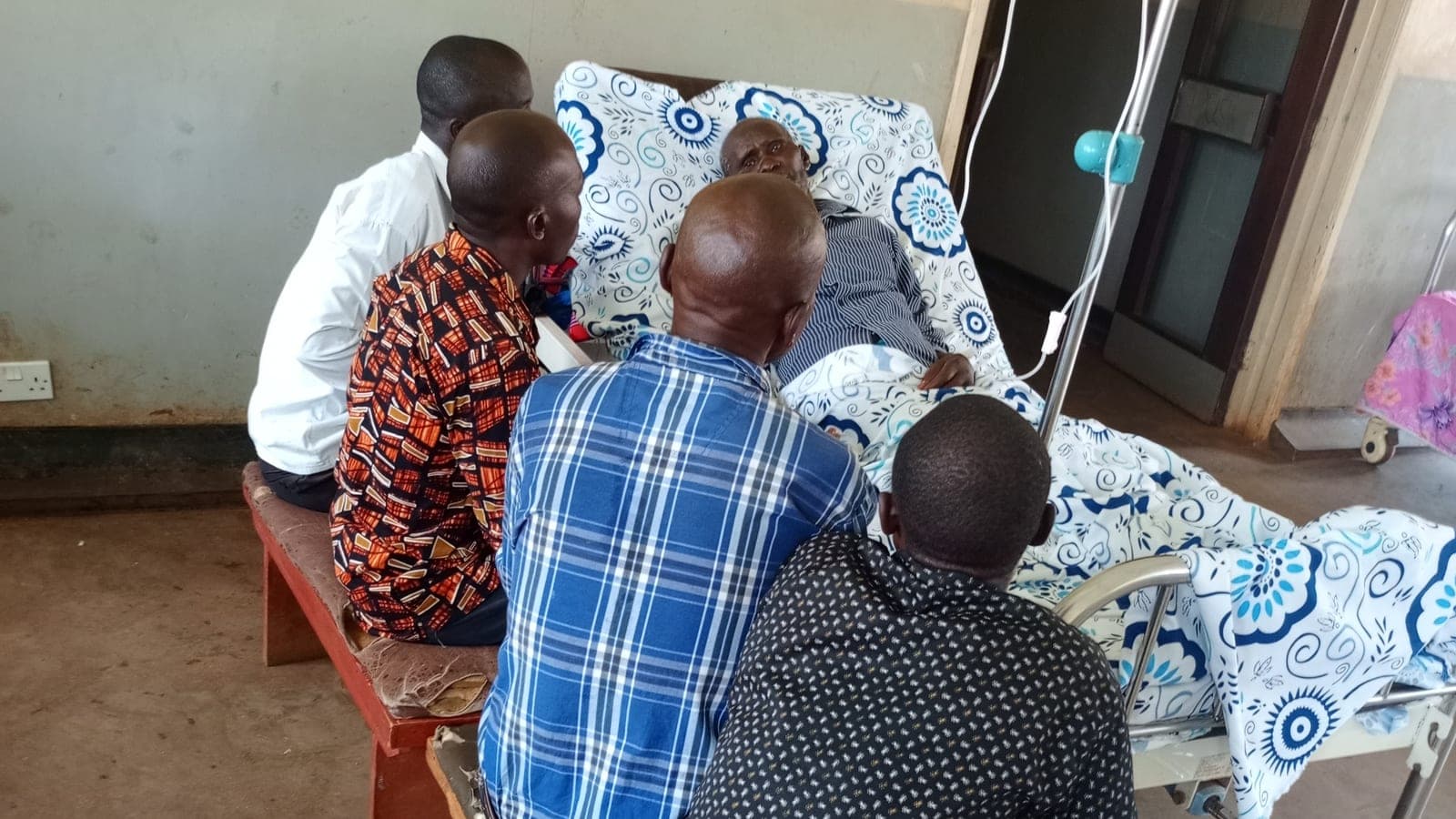
Please Don't Let Me Lose My Father
by Fred
2,140,135 UGX pooled of 17,500,000 UGX
5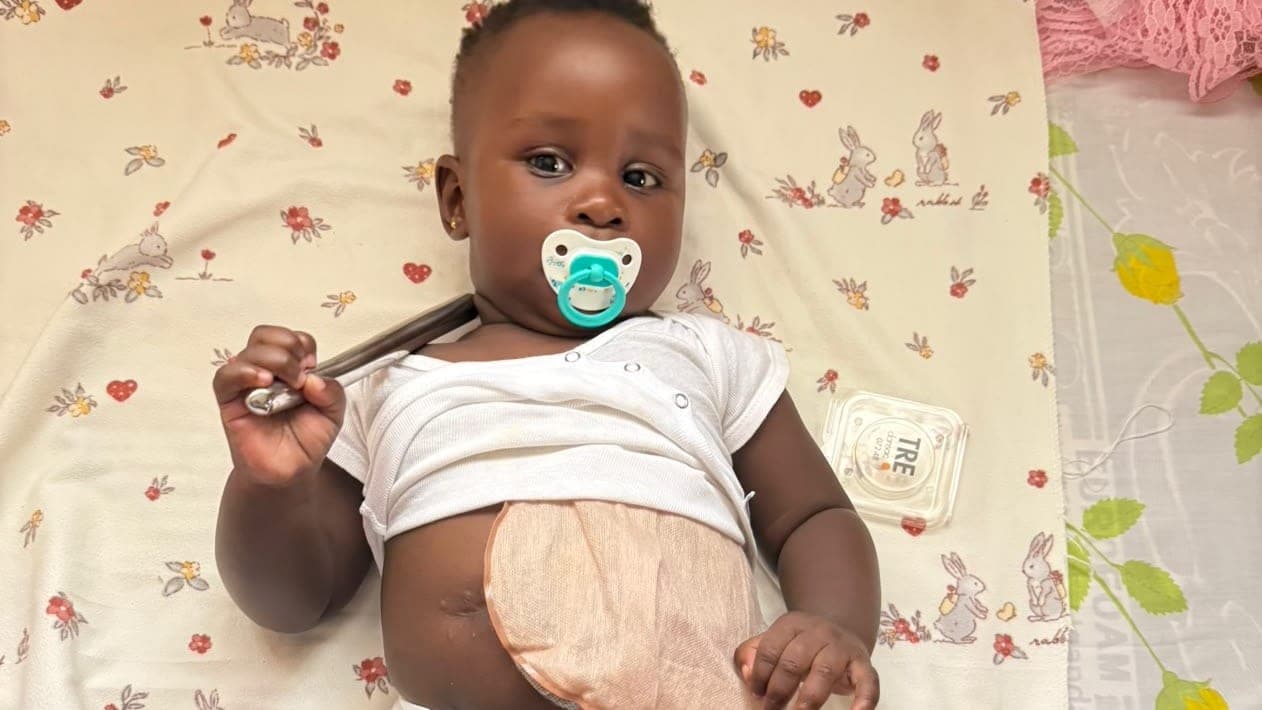
 Kampala, Uganda
Medical & Healthcare
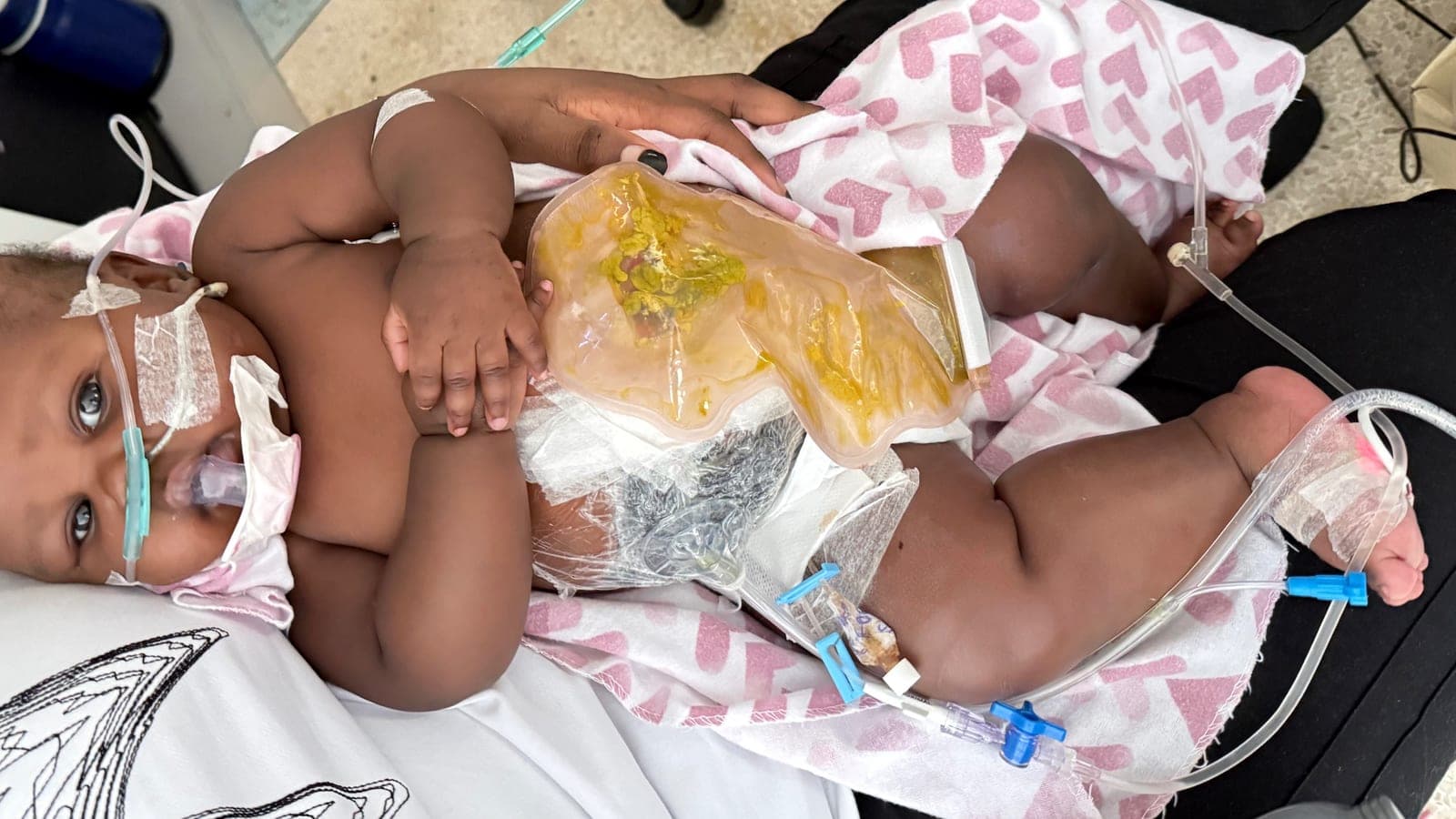
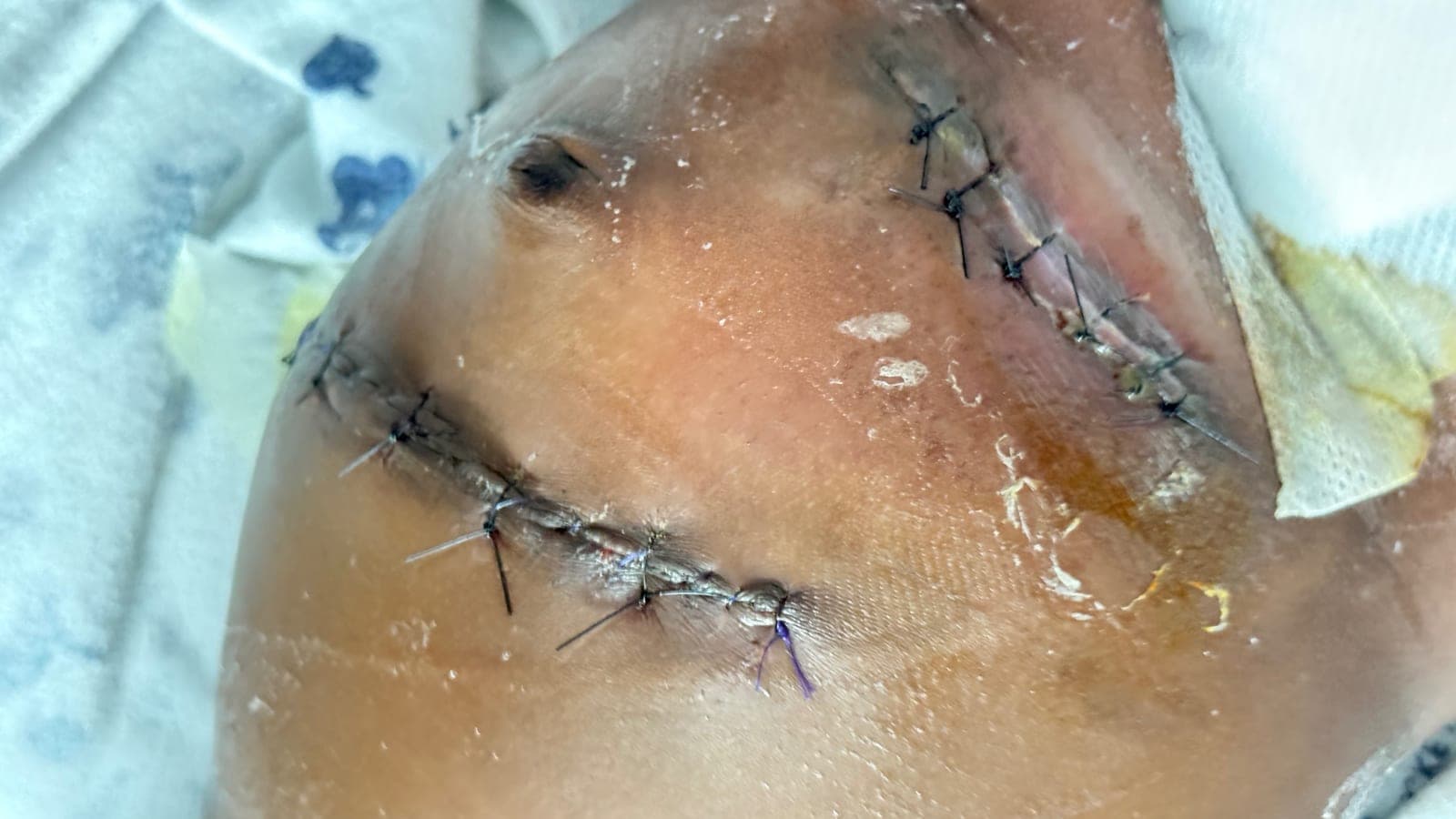
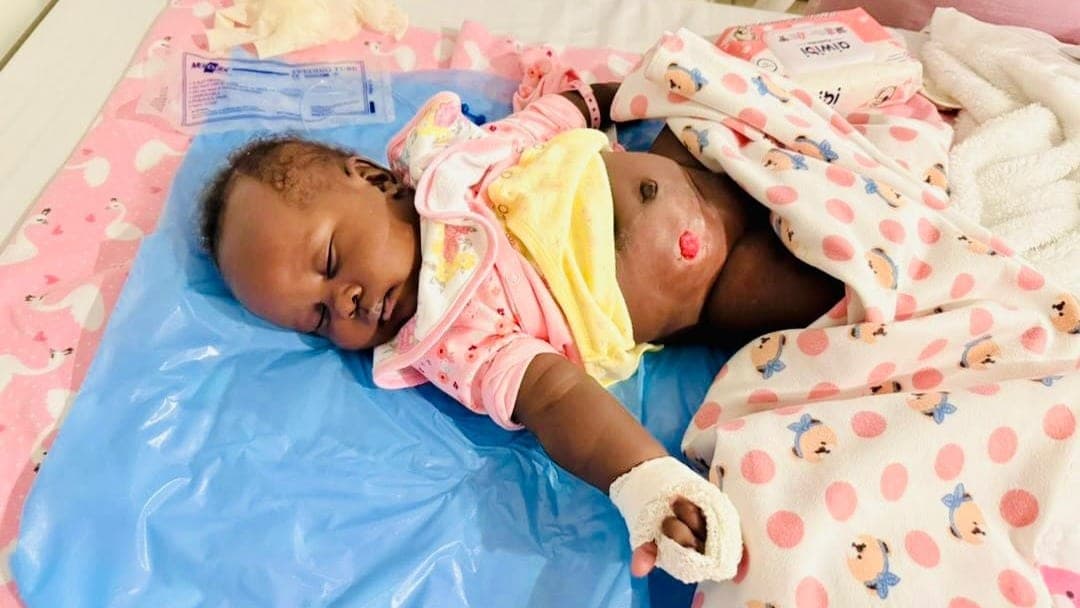
One more surgery, a lifetime of smiles.
This badge records manual review by SenteMe. It does not guarantee every claim or the final use of funds. Withdrawal identity checks are separate.by Ruth
11,300,000 UGX pooled of 18,000,000 UGX
56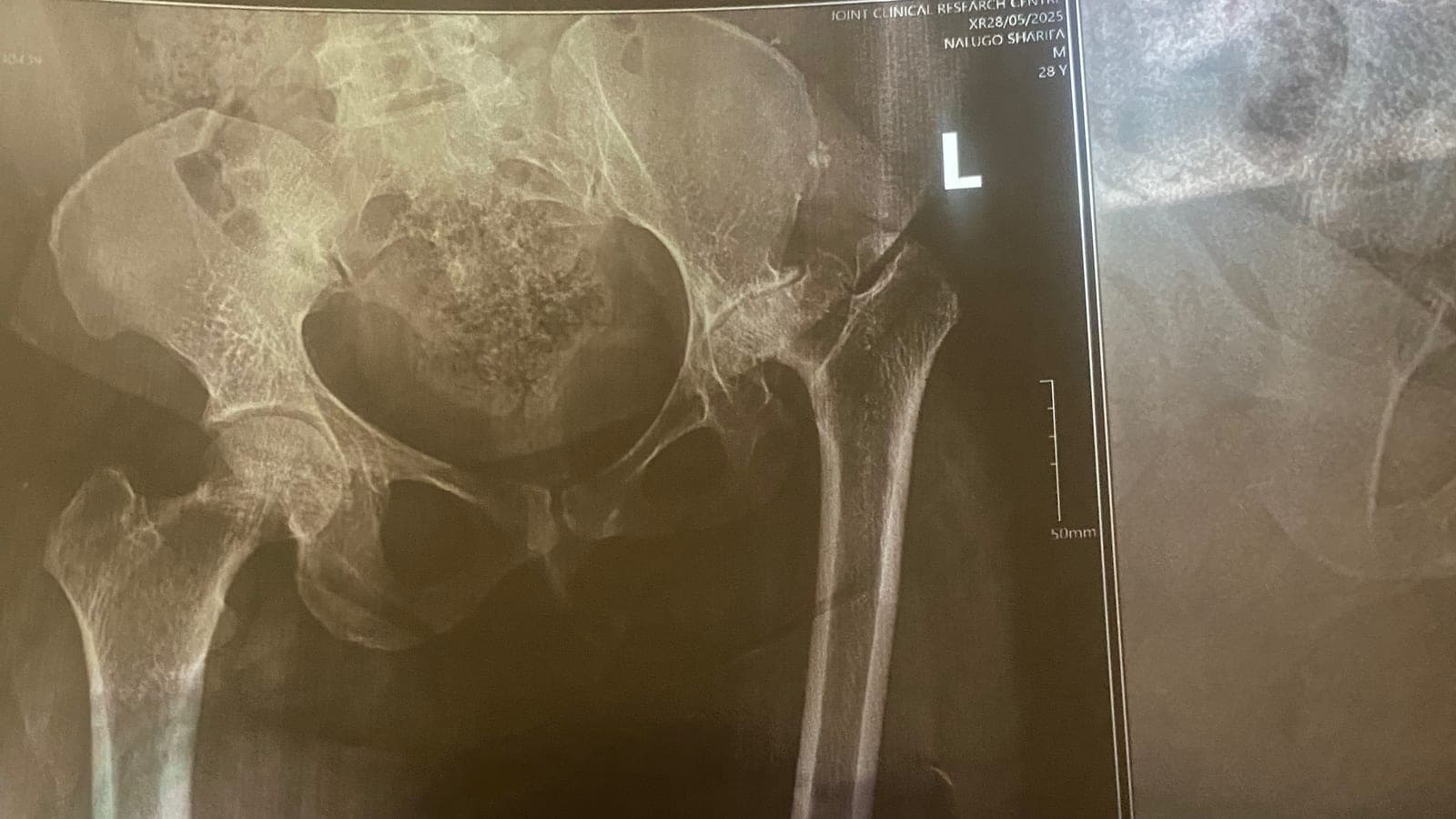
 Kampala, Uganda
Medical & Healthcare
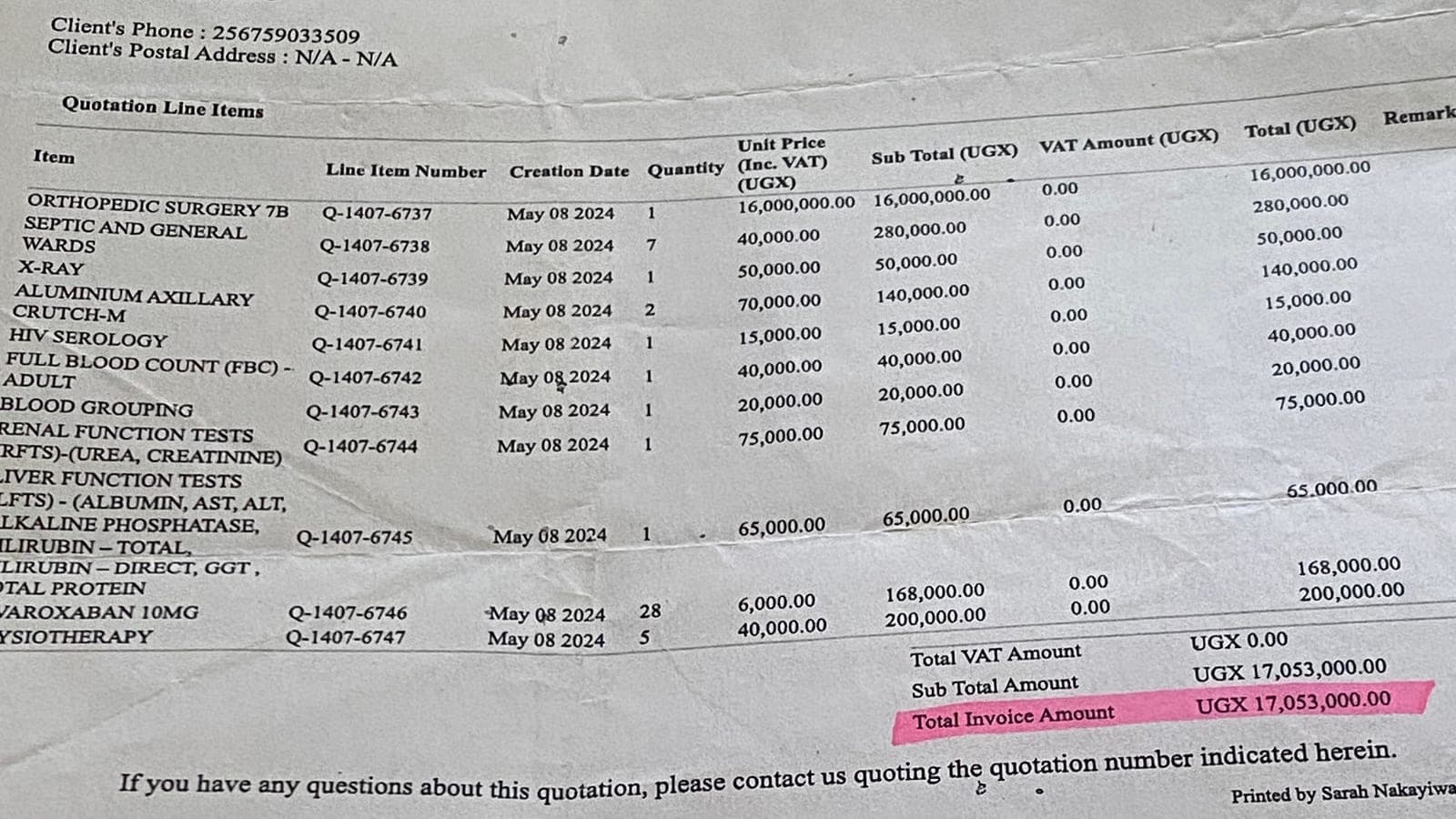
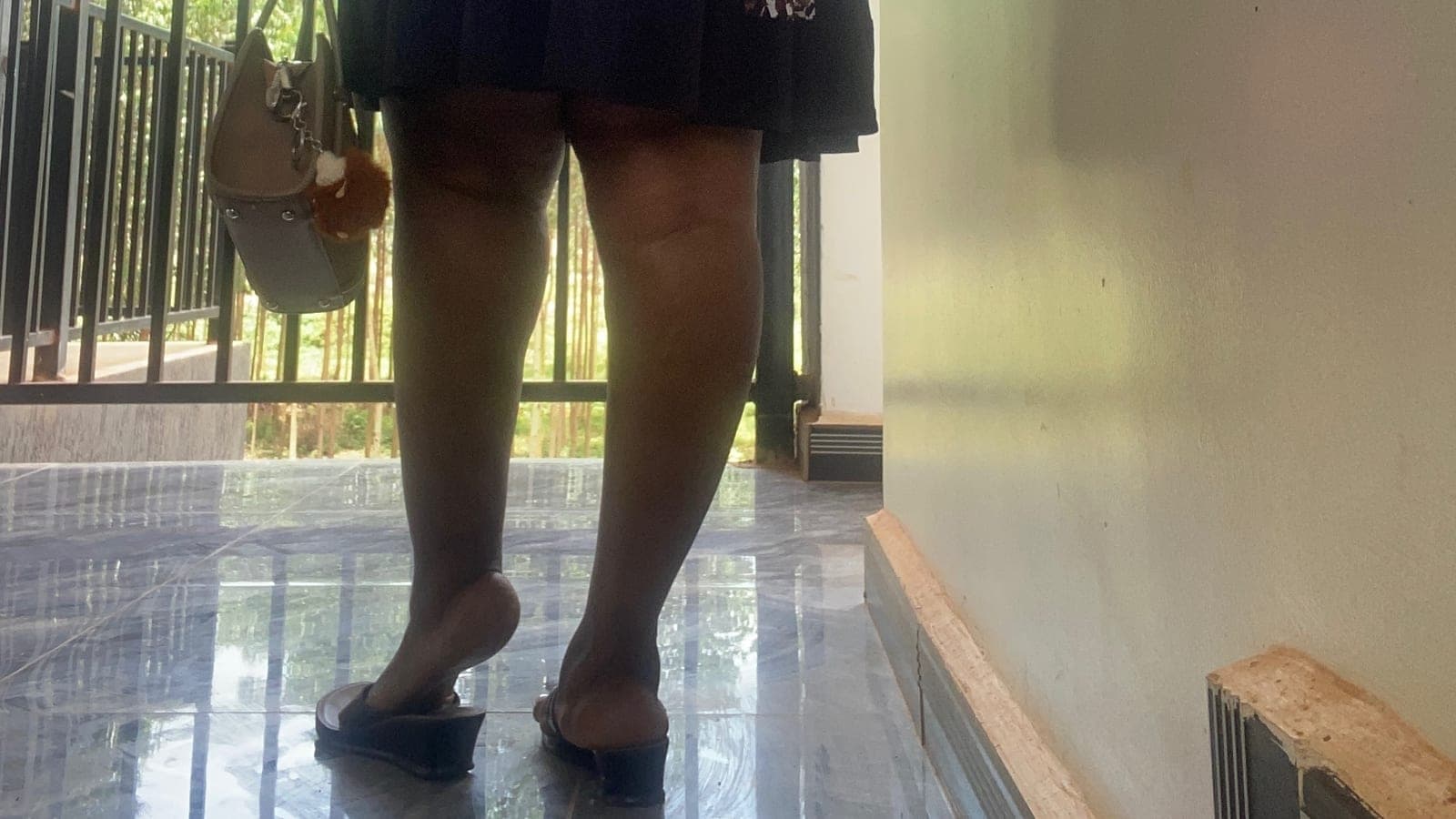
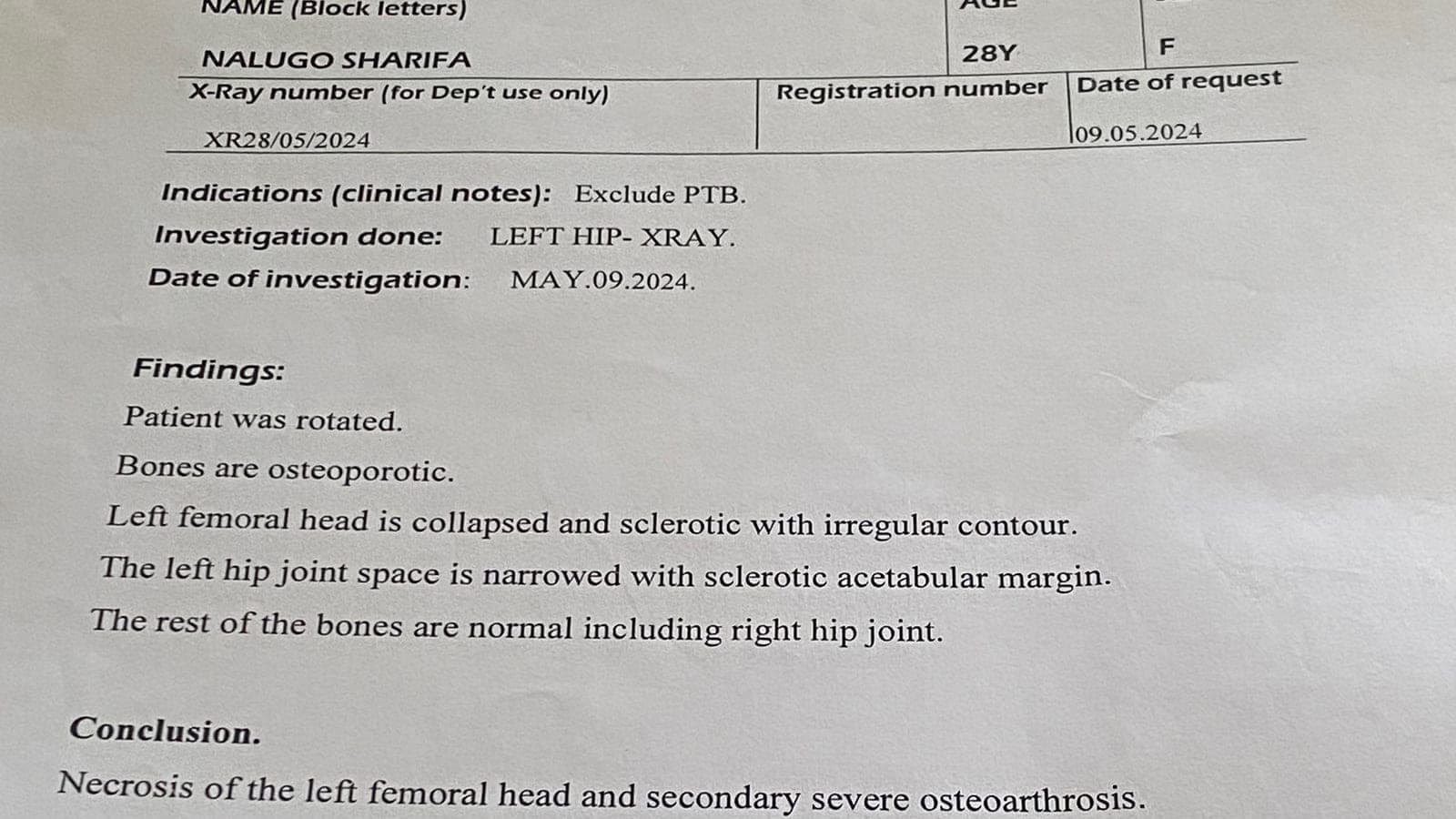
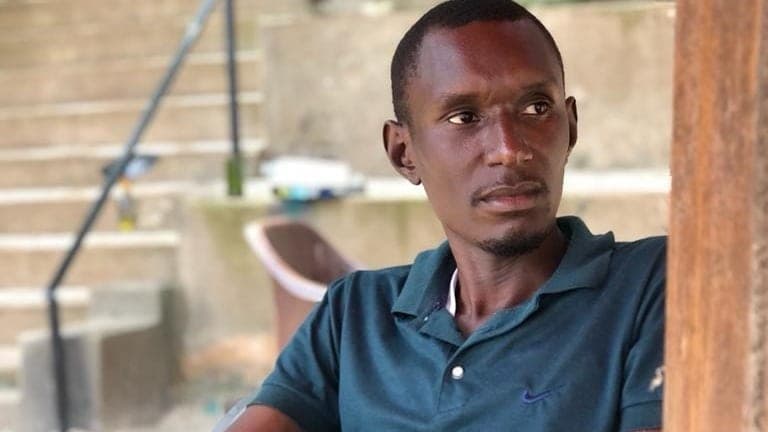
Help shalifa walk free from hip pain and with balanced legs
by Nalugo
25,823 UGX pooled of 20,000,000 UGX
12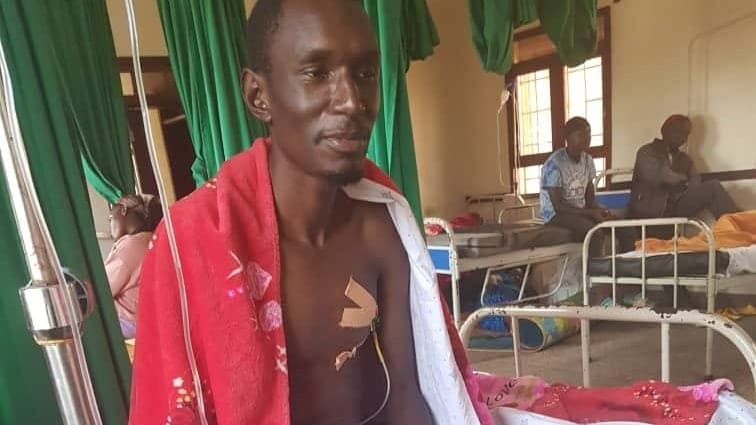
 kampala, Uganda
Medical & Healthcare
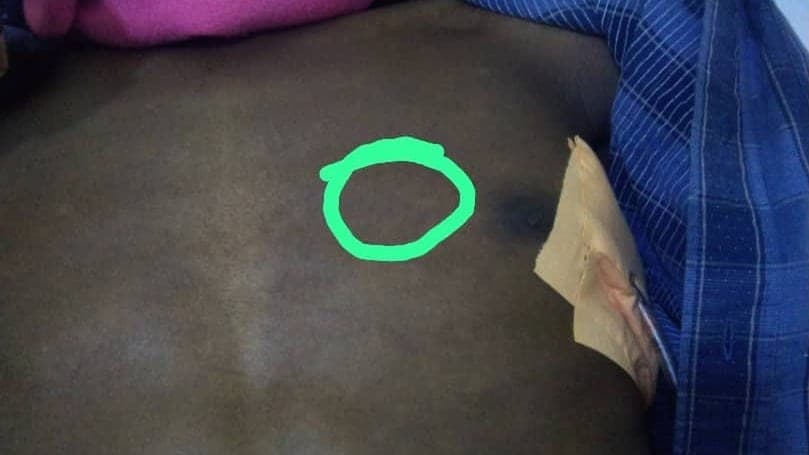
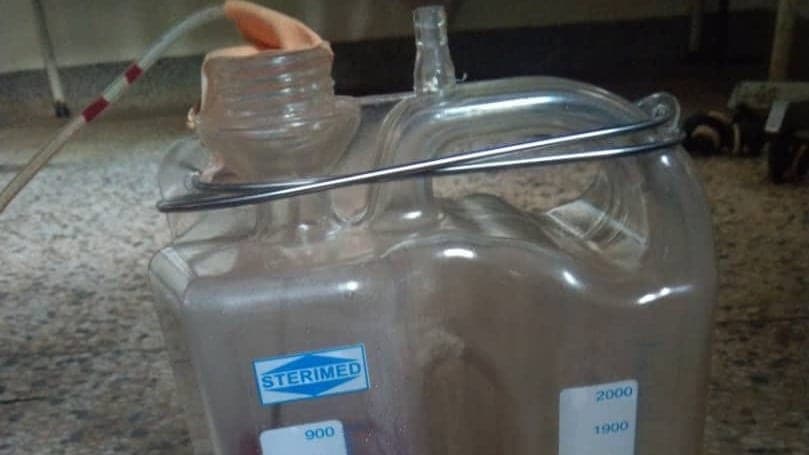
Help Brian get his Lung surgery
by komakech
302,000 UGX pooled of 14,755,000 UGX
22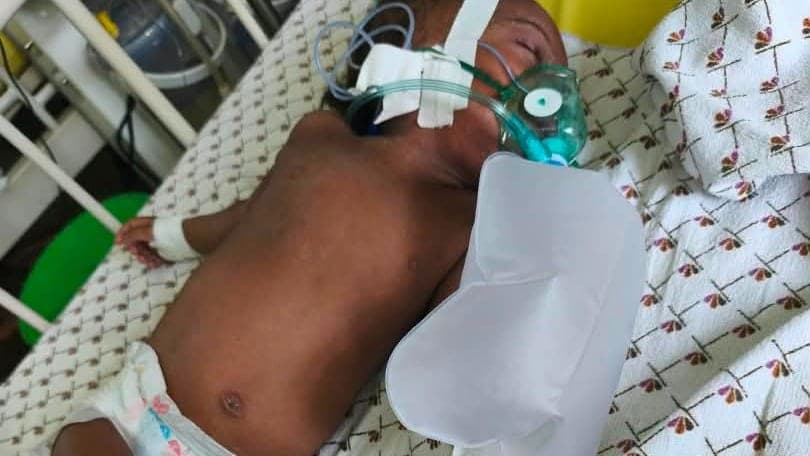
 Kampala, Uganda
Medical & Healthcare
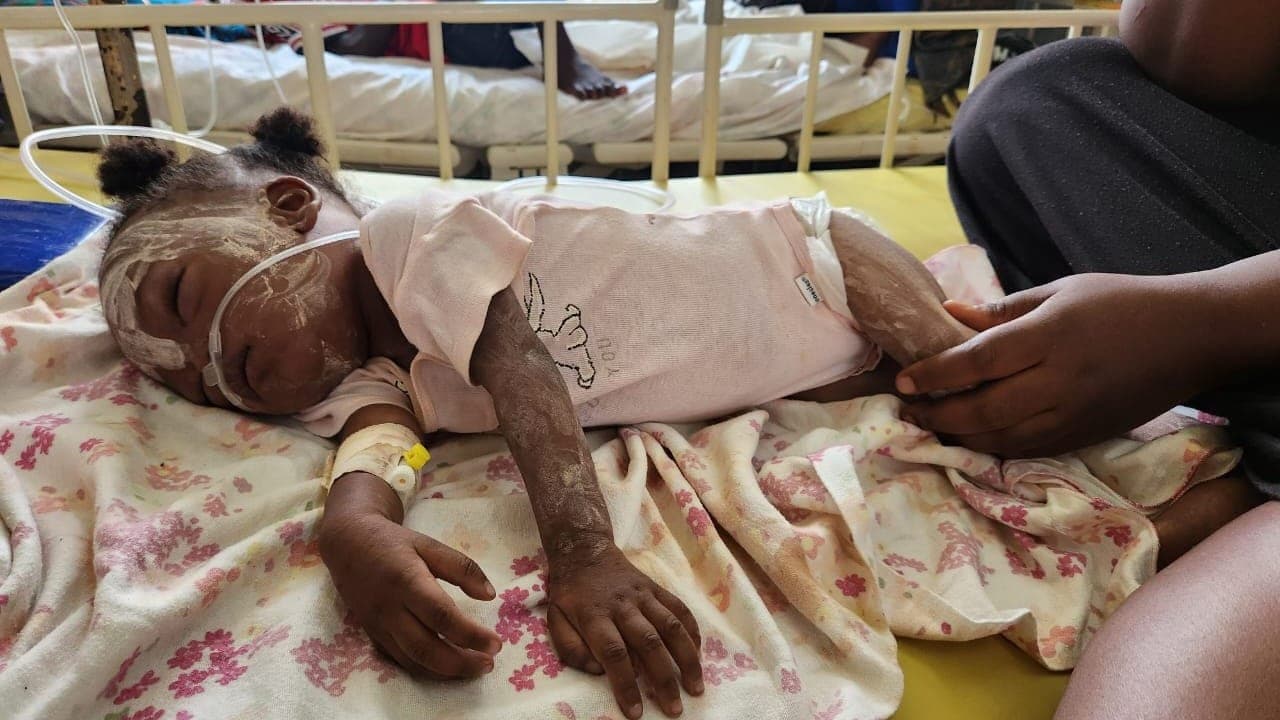
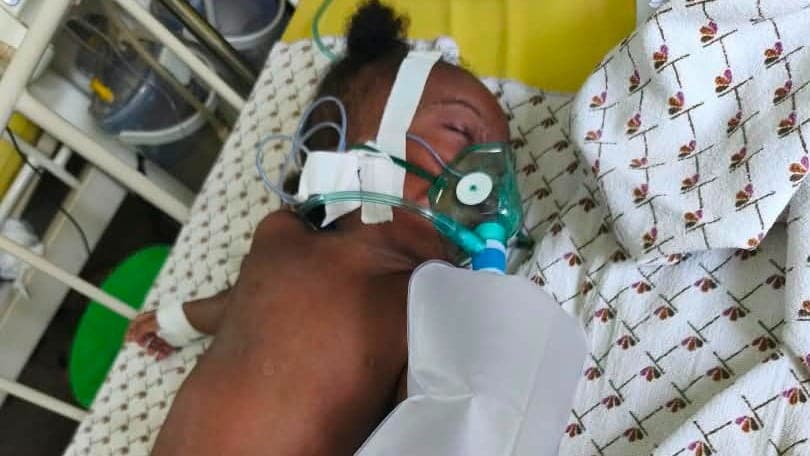
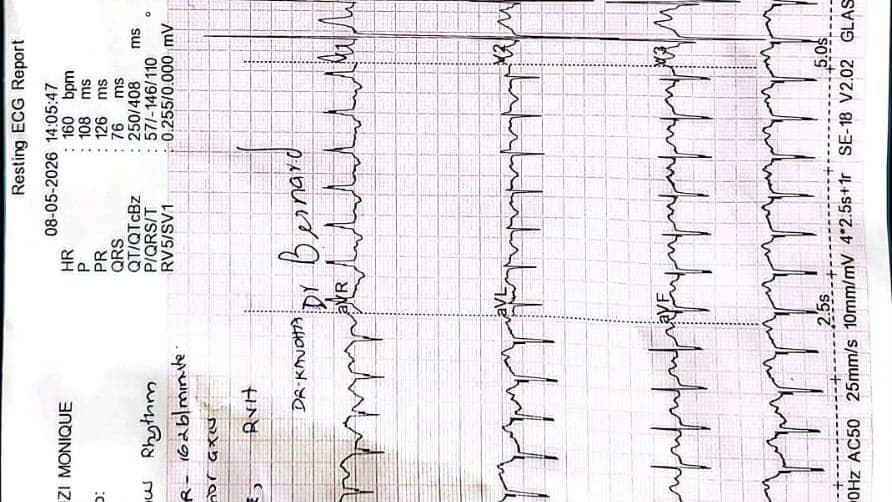
Muwanguzi Monique
by BATENDWA
19,000 UGX pooled of 60,000,000 UGX
12
 Kampala, Uganda
Medical & Healthcare
TREATMENT FOR BABY ESME
by Marvin
28,000 UGX pooled of 48,189,000 UGX
3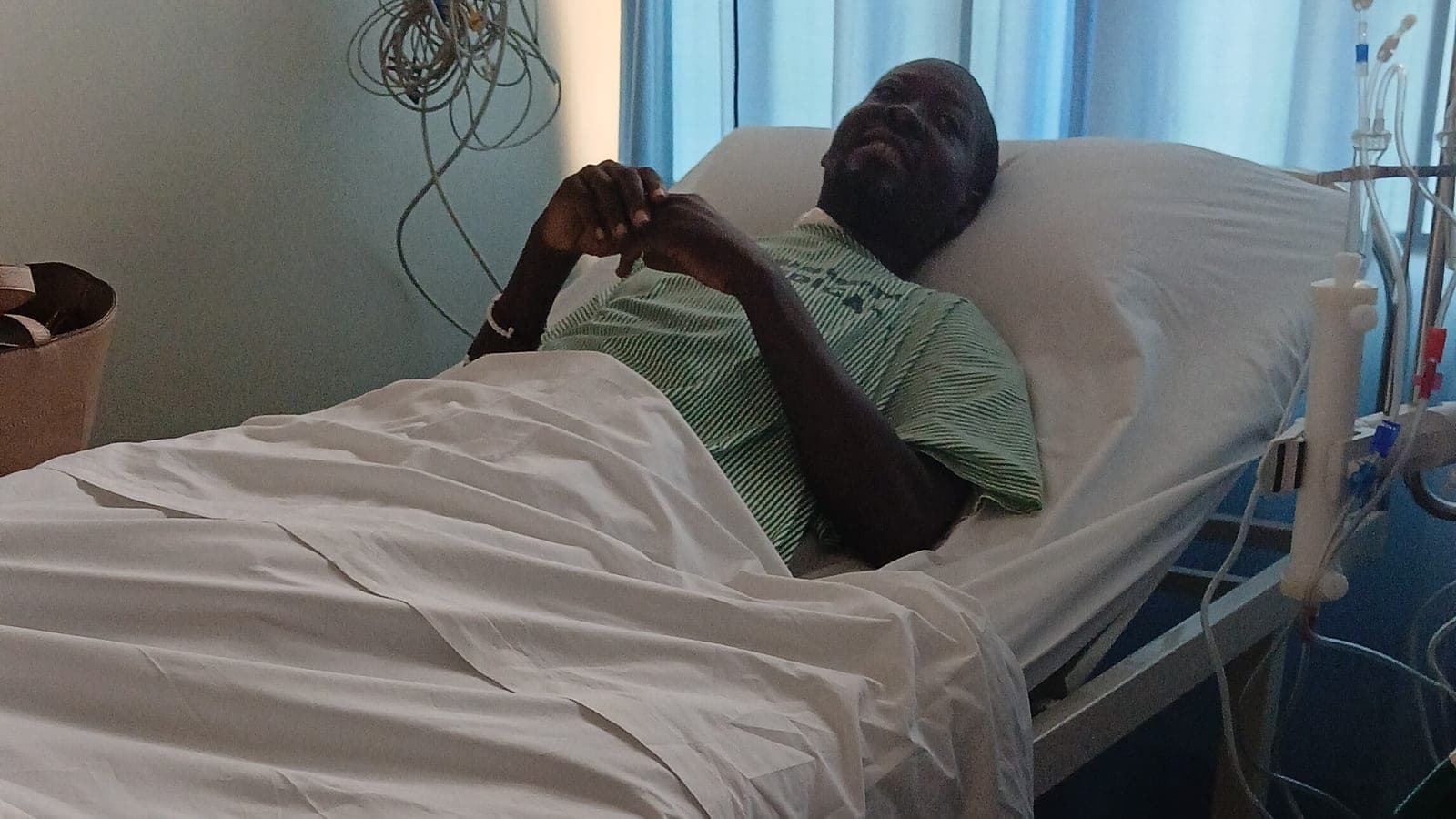
 Kampala, Uganda
Medical & Healthcare
Appeal to save magadu James
by Kenneth
32,586 UGX pooled of 200,000,000 UGX
24 Kole, Uganda
Medical & Healthcare
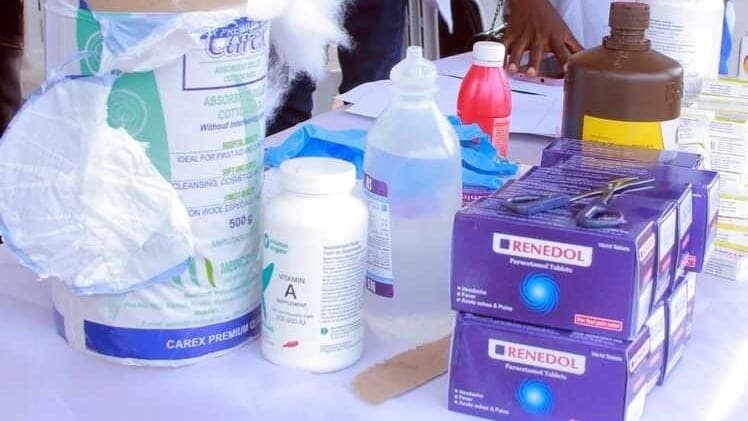
Health Camp in Kole District.
by Monica
10,000 UGX pooled of 158,450,000 UGX
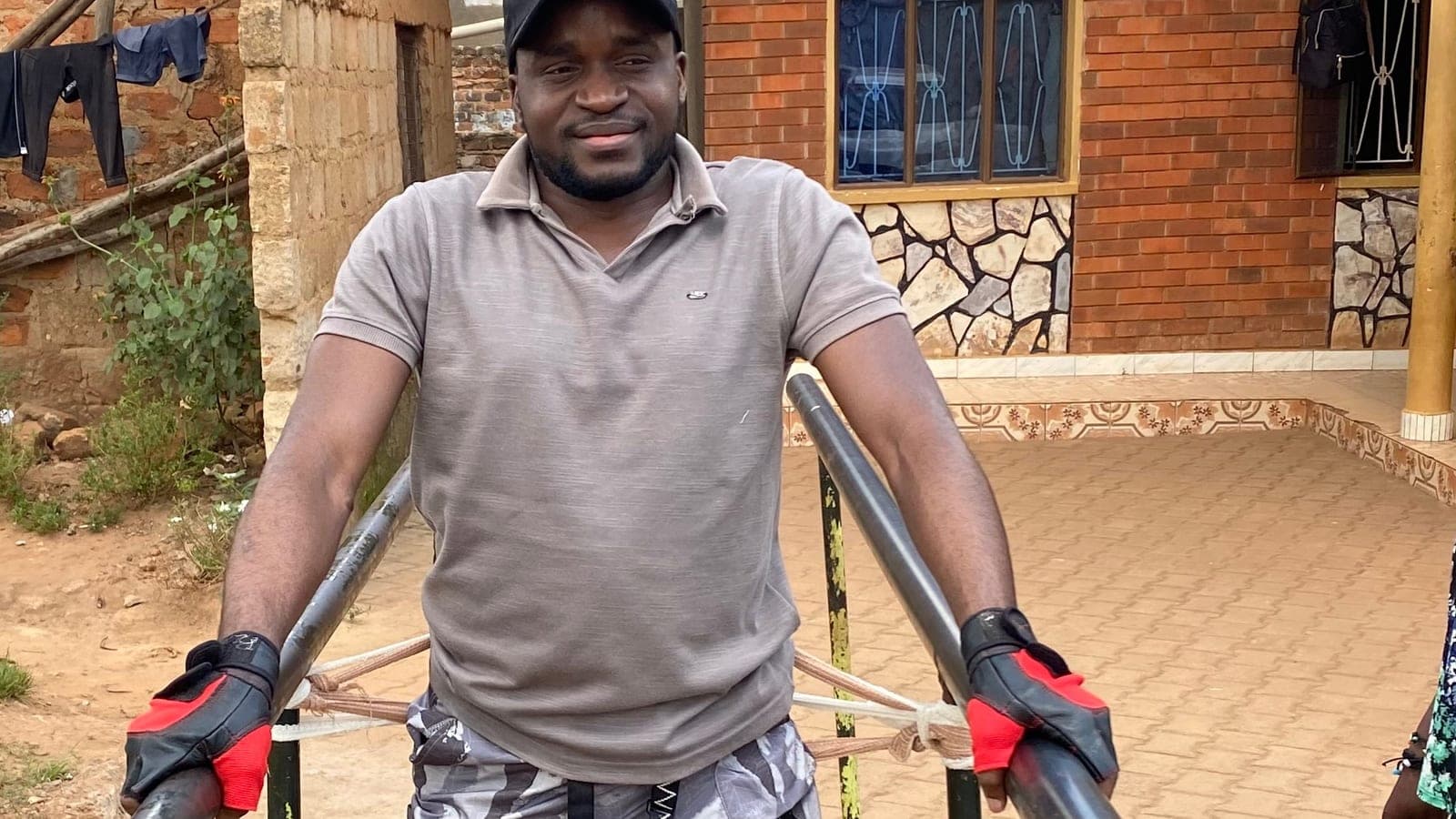
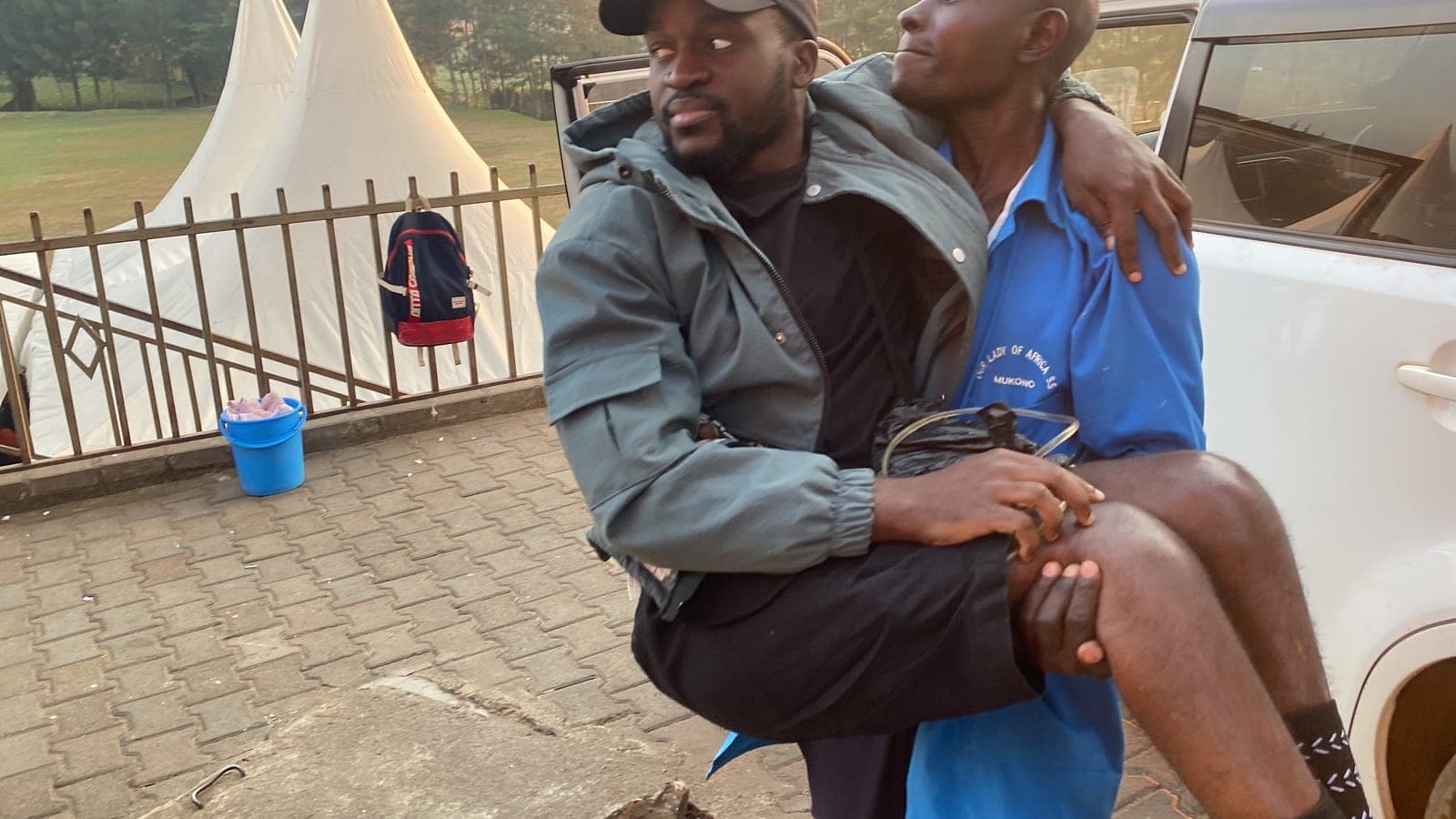 Kampala, Uganda
Medical & Healthcare
Let’s save Hussein Kaky
This badge records manual review by SenteMe. It does not guarantee every claim or the final use of funds. Withdrawal identity checks are separate.by Hussein
2,150,065 UGX pooled of 200,000,000 UGX
82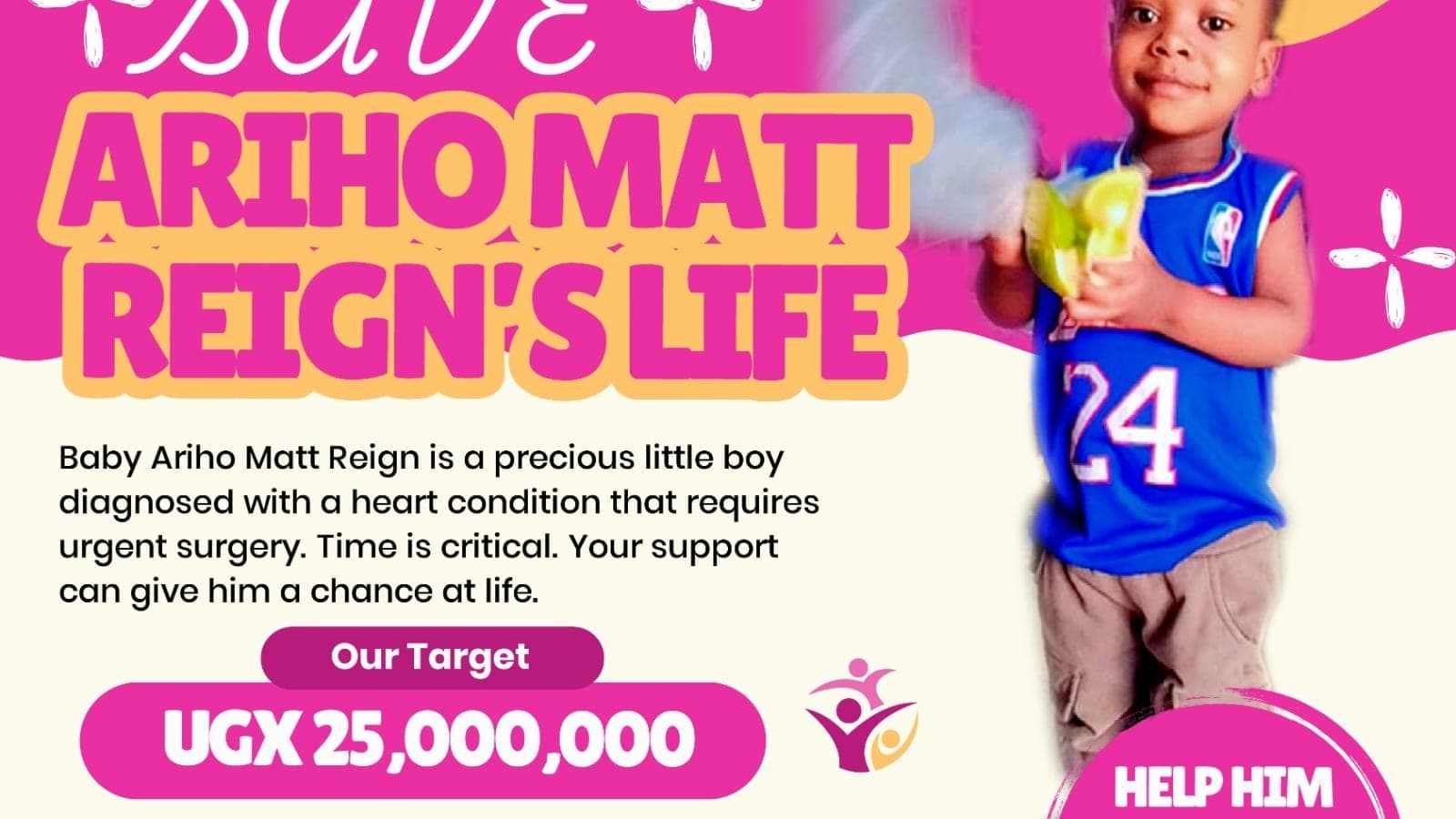
 Fortportal, Uganda
Medical & Healthcare
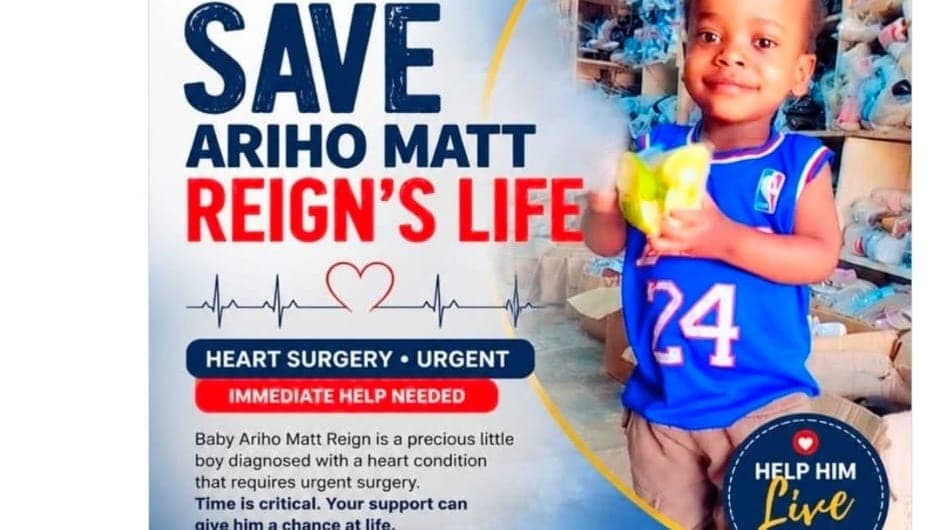
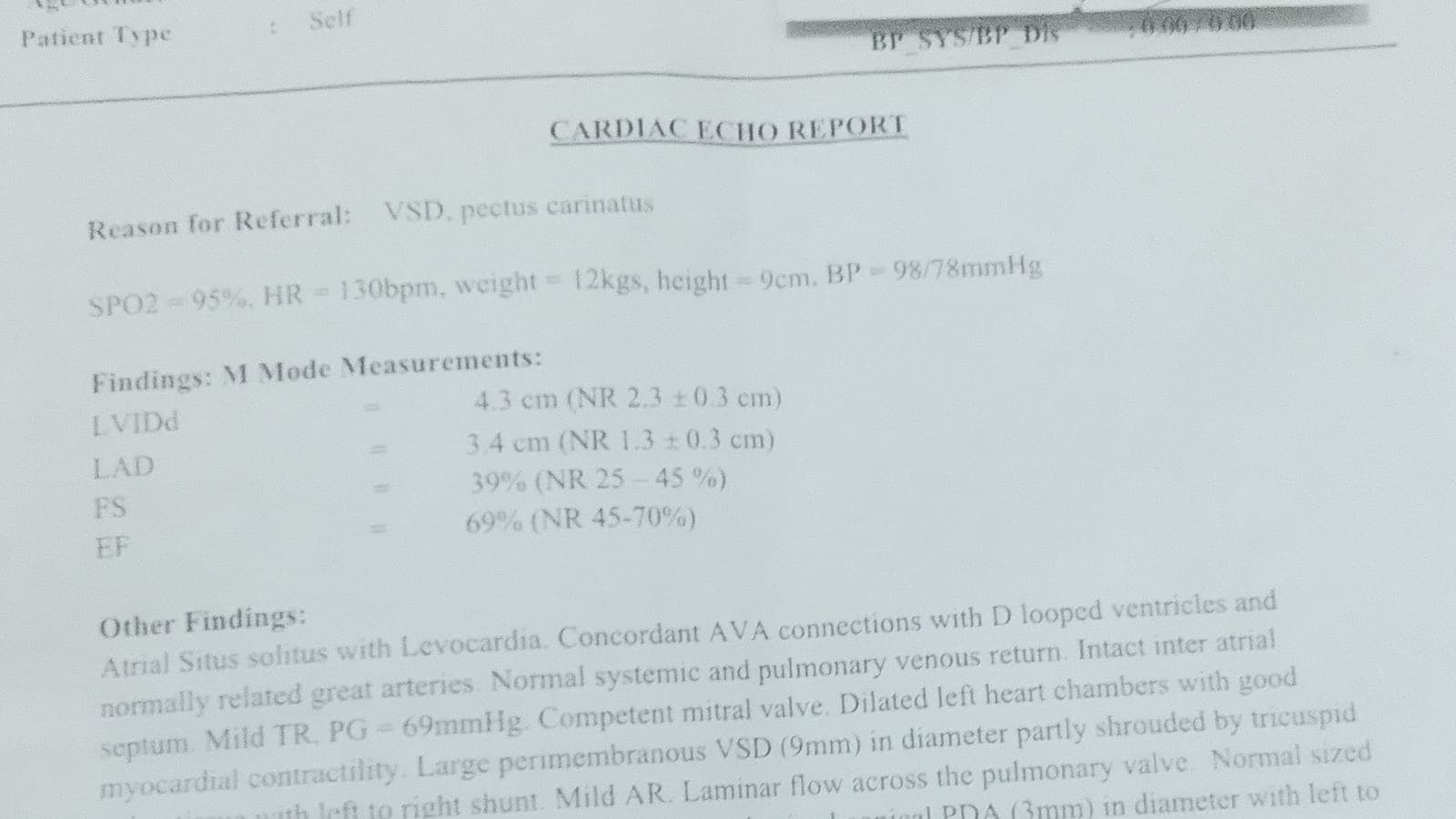
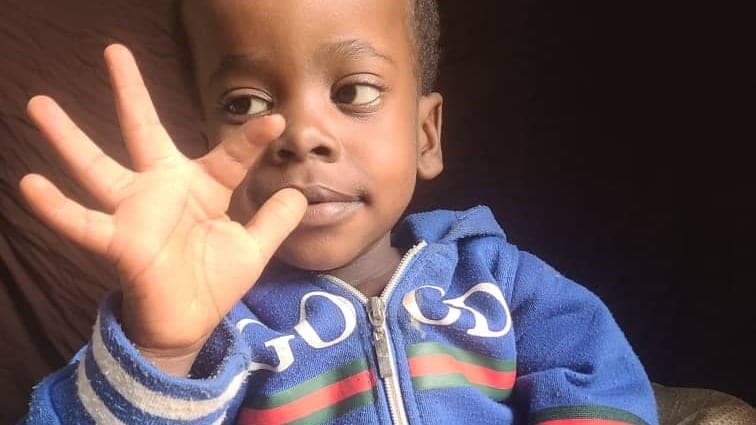
Ariho Matt Reign
by Emily
15,000 UGX pooled of 25,000,000 UGX
6
Choose a campaign to support
For treatment, look for a dated estimate, included costs and updates shared with the patient’s permission. A donation does not guarantee a medical outcome.
A badge records manual campaign review, not a guarantee. The ledger shows donations and transfers, not proof of their eventual use. Check evidence and outcomes supplied by the organiser. Each campaign shows whether cards are available for supporters abroad.
About Medical & Healthcare fundraising in Africa
A medical emergency is the most common reason families across Africa pool money in a hurry. A road accident, a cancer diagnosis, a premature baby in the NICU, a parent who needs dialysis three times a week. The bill arrives before the savings do, and one household rarely carries it alone.
Most of the continent runs on a mix of public hospitals, mission hospitals, and private care, with health insurance that often covers far less than the real cost. In Kenya the Social Health Authority (SHA) replaced NHIF, but co-pays and non-covered items still fall on the family. In Uganda, treatment at Mulago or the Uganda Cancer Institute is subsidised, yet drugs, scans, and transport are paid out of pocket. Across francophone Africa, schemes like Gabon CNAMGS or the Ivorian CMU help, but rarely cover everything. The gap between what insurance pays and what the hospital charges is exactly the gap a community fundraiser fills.
That gap is usually filled the way it always has been: a WhatsApp group, a list of names, a relative collecting on mobile money. It works until the cause needs to reach beyond the immediate family, when friends of friends, former classmates, church members, and relatives in the diaspora all want to help but do not know the coordinator personally. That is when a private number stops being enough and a public, trustworthy page starts to matter.
SenteMe is built for that moment. One link goes in the WhatsApp group and on Facebook. Every contribution lands on a running ledger anyone can see, so a cousin in London and a colleague in Nairobi watch the same total climb. The coordinator withdraws to mobile money to pay the hospital directly, and every disbursement shows on the same public record. For medical causes, that visibility is not a nice-to-have. It is the difference between people giving once and people trusting you enough to share your link with their own networks.
The standard withdrawal deduction is 7.5%, potentially higher for provider costs and rounding. Card processing and conversion costs are separate.
Organising a fundraiser?
Preparing a medical fundraiser in Uganda
- Get the patient’s permission, or the appropriate guardian’s permission, before sharing their story. Publish only the information they agree to make public; redact identifiers from hospital documents.
- Use a dated hospital estimate and separate treatment, medicines, travel and accommodation. Describe what is confirmed and what may change; do not promise a treatment outcome.
- Name the person responsible for paying the hospital and explain the deadline. Card settlement and withdrawal checks take time, so do not promise immediate access to donations for emergency care.
- Keep supporters informed when the estimate or treatment plan changes. Share redacted receipts and explain how any unused money will be handled. The donation ledger alone does not prove that a hospital was paid.
How to raise money for medical & healthcare
01
Get the real number from the hospital first
Before you publish anything, ask the hospital or clinic for a written estimate or invoice: admission, surgery, drugs, scans, and an honest contingency. A specific target ("UGX 8.4m for surgery and two weeks of recovery") raises far more than a vague one. People give to a number they can picture.
02
Name the patient and the situation plainly
Say who the patient is, what they are facing, which hospital, and what the money pays for. If the patient is comfortable, a photo and a sentence in their own words does more than a paragraph of appeal. Honesty travels further than drama.
03
Set the target to the full cost, not a guess
Include the items insurance will not cover: the SHA or CMU co-pay, drugs, transport for the family, and follow-up visits. Understating the target means going back to the same people twice, which costs you trust. It is better to show the whole picture once.
04
Share the one link everywhere, then keep it updated
Put the SenteMe link in the family WhatsApp group, the church or mosque group, the old-school alumni chat, and on Facebook. Pin it. Then post short updates: "surgery done, thank you," "two more sessions to go." Updates are what make people share your link with people you have never met.
05
Withdraw to pay the hospital, and show it
As money comes in, withdraw to mobile money and settle the hospital in stages rather than waiting for the full total. Every disbursement is on the public ledger, so contributors see their money doing the work it was given for. That visible follow-through is what brings the second wave of giving.
How to support medical & healthcare causes
Give what you can, once is enough
Contributors pay nothing to SenteMe and send exactly the amount they choose. A small contribution from many people clears a hospital bill faster than waiting for a few large ones. You can also set a recurring contribution for a patient in long-term treatment like dialysis or chemotherapy.
Check the ledger before you give
Open the campaign and look at the running total, the contributor count, and the withdrawals. A medical campaign with a clear target, a named patient, and visible disbursements to the hospital is one you can trust. The transparency is there precisely so you can verify before you send.
Share the link, not just your money
The most useful thing most supporters do is forward the link to their own circle. Medical costs are large, and the people who can collectively cover them are usually one or two shares away from the coordinator, not in the room already.
Frequently asked questions
How do I raise money for a hospital bill in Kenya or Uganda?
Get the written estimate from the hospital, create a SenteMe campaign with that exact figure as your target, and share the one link in your WhatsApp and social groups. Contributors send mobile money, you withdraw to pay the hospital in stages, and every contribution and withdrawal shows on a public ledger so people trust where the money goes.
Is SenteMe better than just sharing my M-Pesa or MTN number?
For a small family collection, your own number is fine. SenteMe matters when the cause needs to reach past the people who already know you. It gives one link instead of a forwarded number, a running ledger instead of a private balance, and a record of withdrawals, which is what makes friends of friends and diaspora relatives comfortable giving.
What does it cost to run a medical fundraiser?
The standard withdrawal deduction is 7.5%; higher provider costs and rounding can increase it. Card processing and conversion costs are separate. Review the breakdown before confirming.
Can people in the diaspora contribute to a medical campaign?
Yes. SenteMe accepts Mobile Money, cards and other payment methods available in your region. Choose Card on the campaign page to see the options in secure checkout. Card processing fees are deducted before campaign credit; withdrawal fees apply separately. Card funds become available to withdraw after settlement and payout-provider funding.
How fast can I get the money to the hospital?
You withdraw to mobile money and can settle the hospital in stages as contributions arrive, rather than waiting for the full target. Many coordinators send partial sums during the week of a surgery. Each withdrawal shows on the public ledger so contributors can see the funds reaching the hospital.
Does health insurance like SHA or CMU not cover this already?
Public schemes such as Kenya SHA, the Ivorian CMU, or Gabon CNAMGS cover part of the cost, but co-pays, specific drugs, scans, transport, and care abroad usually fall outside them. A medical fundraiser is almost always about closing the gap between what the scheme pays and what the hospital actually charges.
How do I keep a medical campaign trustworthy?
Name the patient and the hospital, set the target to a real invoice, and post short updates as treatment progresses. Withdraw in stages and let the public ledger show the money reaching the hospital. The combination of a specific target and visible follow-through is what keeps contributors confident and willing to share.
Can I raise money for treatment in another country?
Yes. Treatment abroad, often in India, South Africa, or Kenya for specialist surgery, is a common medical cause. Set the target to include the procedure, flights, and the family stay, and be clear in the description about where the treatment will happen and why it cannot be done locally.
What if I raise more than the bill?
Be transparent. If costs come in lower than the target, say so on the campaign and explain what the surplus will go to, whether follow-up care, rehabilitation, or related family costs. The public ledger means contributors can see the full picture, so honesty about a surplus protects the trust you have built.
Can I run a fundraiser for ongoing treatment like dialysis or chemotherapy?
Yes, and recurring contributions suit long-term treatment well. Rather than one large target, you can frame the campaign around the monthly cost of sessions and invite supporters to commit to a regular amount, so a patient on dialysis or chemotherapy has a predictable base of support month to month.
Example scenarios
What medical & healthcare fundraising looks like
Hypothetical, composite examples. No real person is named.
A family in Kampala after a road accident
A boda-boda rider is hit on Jinja Road and needs orthopaedic surgery at a private hospital. The family gets a written estimate, sets a target covering surgery, implants, and two weeks of recovery, and shares the link in the family and parish WhatsApp groups. Former schoolmates forward it, and the bill is cleared in nine days with the surgery paid in two stages.
A chama in Mombasa backing a member through cancer
A savings-group member is diagnosed with breast cancer and needs chemotherapy that SHA only partly covers. The chama opens a SenteMe campaign framed around the monthly cost of treatment cycles and invites members and their networks to set recurring contributions, giving the patient a steady base of support across the course of treatment.
Cross-border surgery from Abidjan
A child needs cardiac surgery not available locally and the family is referred abroad. They set a target covering the procedure, flights for the child and one parent, and the hospital stay, and explain clearly in the description why the operation cannot be done at home. Relatives in France contribute through a cousin in Abidjan with a mobile money wallet.
Resources for medical & healthcare
- Social Health Authority (SHA), Kenya
Kenya national health scheme that replaced NHIF, for checking coverage and registration.
- Ministry of Health, Kenya
National health policy, public hospital information, and referral guidance.
- Kenyatta National Hospital
East Africa largest referral hospital, for specialist and oncology services in Nairobi.
- Mulago National Referral Hospital, Uganda
Uganda main public referral hospital in Kampala.
- Uganda Cancer Institute
National centre for cancer diagnosis and treatment in Uganda.
- Aga Khan University Hospital, Nairobi
Major private referral hospital for specialist care in East Africa.
- World Health Organization Africa
Regional health information and guidance across the African region.
- WHO
Global health information, conditions, and treatment background.