
Raise school fees together across Africa
From one child's term fees to a full university tuition bill, pool support from family, alumni and well-wishers with one shareable link. Every contribution shows on a public ledger.
Browse active education campaigns



 Kampala, Uganda
Education & School Fees
Help a child go to school
by David
2,045,931 UGX pooled of 20,000,000 UGX
6
 Mukono, Uganda
Education & School Fees
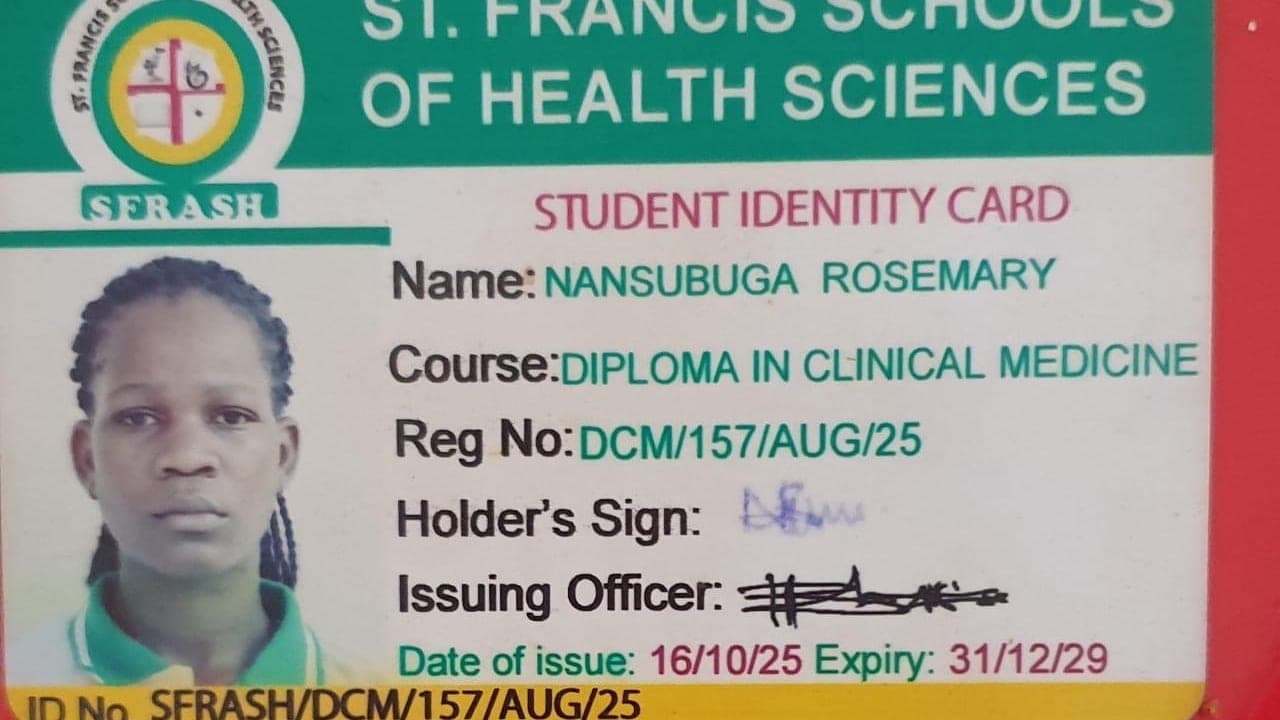
Help Rosemary Finish Her Final Year of Clinical Medicine
This badge records manual review by SenteMe. It does not guarantee every claim or the final use of funds. Withdrawal identity checks are separate.by SSEMIGO
755,000 UGX pooled of 5,406,000 UGX
10

 Kumba, Cameroon
Education & School Fees
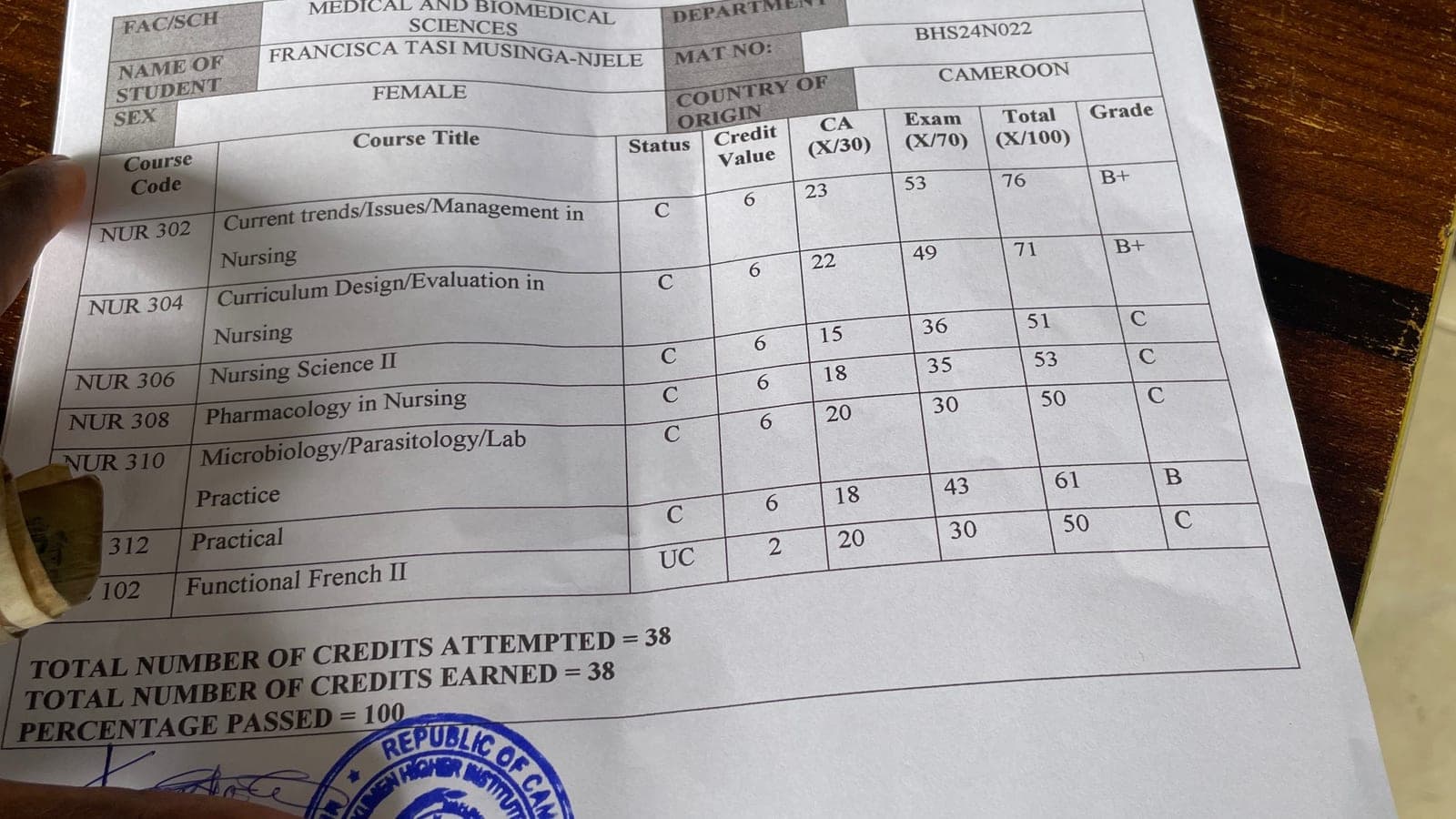
Help a Nursing Student
by Francisca
100 XAF pooled of 600,000 XAF
1
 Kampala, Uganda
Education & School Fees
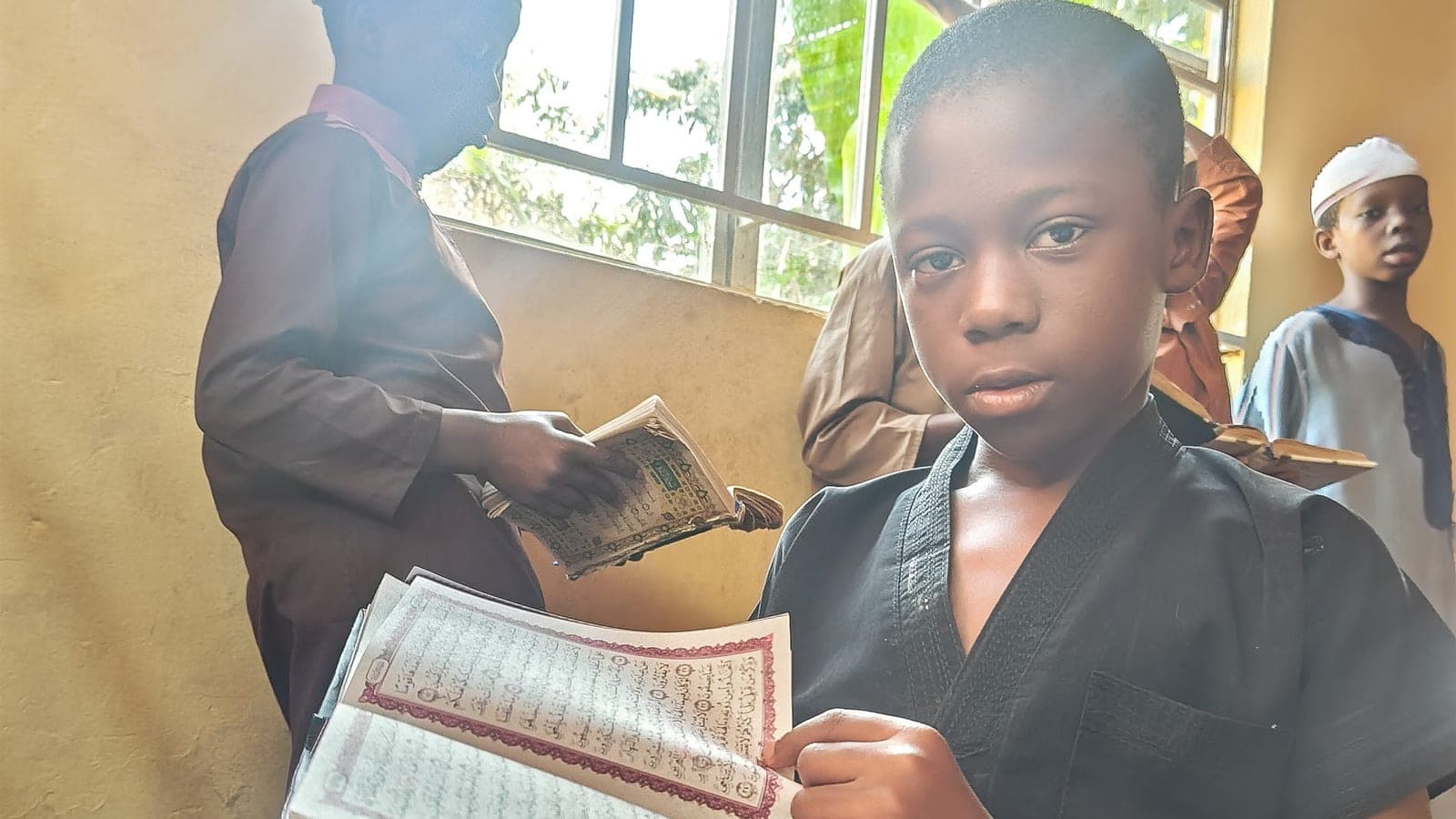
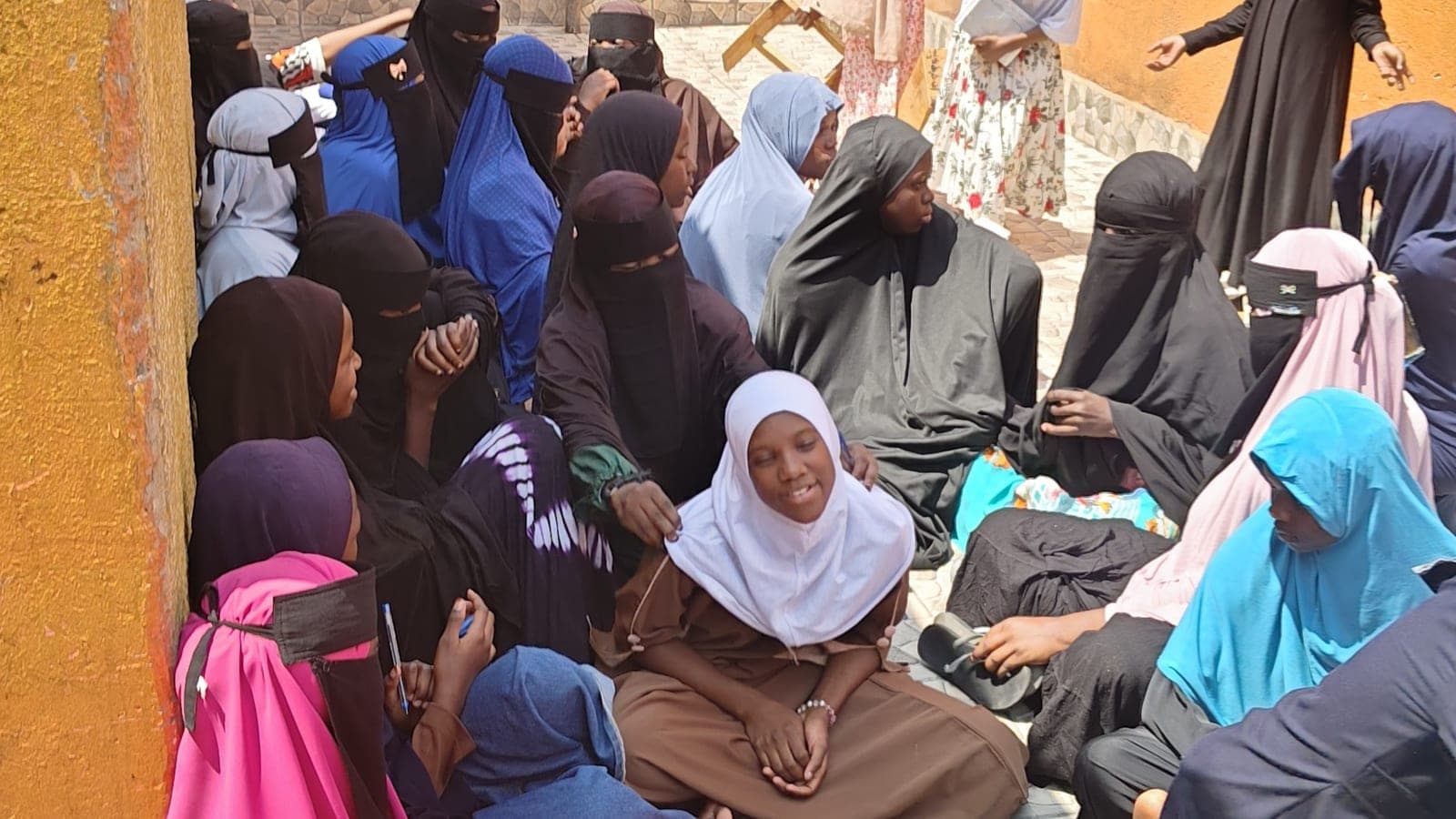
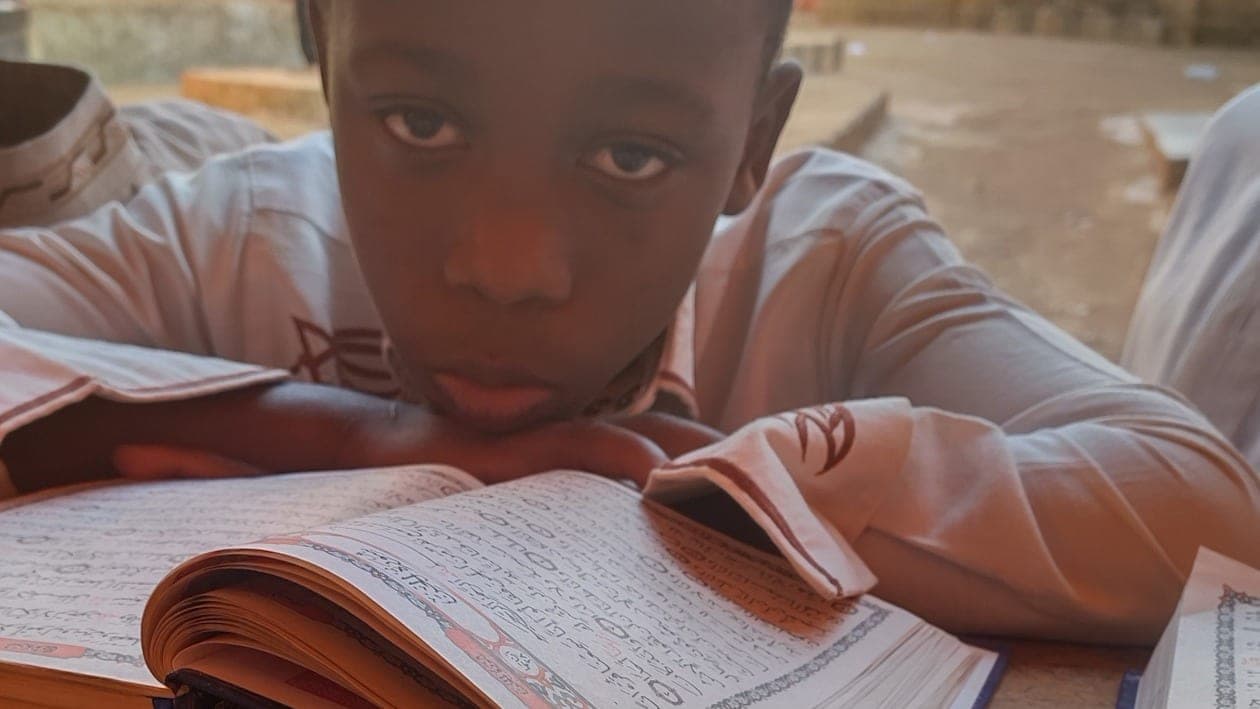
MUSA ISLAMIC WAQF - Supporting Orphans & Needy Qur'an Students
by SULAIMAN
95,000 UGX pooled of 10,000,000 UGX
9
Choose a campaign to support
For school fees, look for the remaining fee gap, deadline and person responsible for paying the school. SenteMe does not assign donors or award scholarships.
A badge records manual campaign review, not a guarantee. The ledger shows donations and transfers, not proof of their eventual use. Check evidence and outcomes supplied by the organiser. Each campaign shows whether cards are available for supporters abroad.
About Education & School Fees fundraising in Africa
School fees rarely arrive as one tidy number. In Kenya and Uganda they land term by term, and each term brings its own list: tuition, boarding, books, a new uniform, exam registration, sometimes a development levy on top. For a university student the bill jumps again, whether the place came through KUCCPS, sits on a government sponsorship slot, or is a self sponsored programme at a private university. When a family hits a gap, the people who fill it are almost always the same: relatives, neighbours, a church, an old classmate, an alumni association. The problem has never been willingness. The problem is collecting the money cleanly and showing everyone that it reached the school.
SenteMe turns the usual scramble of M-Pesa messages, paper lists and forwarded numbers into one simple thing. A coordinator creates a campaign for the student, sets a target tied to a real fees structure, and shares a single link on WhatsApp, in the family group, or in the alumni chat. Contributors send mobile money the way they already do. Every contribution and every withdrawal appears on a public running ledger, so the aunt in Nairobi and the cousin in Mbarara see the same numbers, and nobody has to ask where the money went.
This category is for school fees fundraising of every size. A class teacher topping up fees for a bright pupil who would otherwise drop out. A family raising a semester of tuition while a bursary or HELB loan is still being processed. A harambee for a village student who earned a university place but cannot raise the first installment. An alumni group adopting a few needy students at their old school each year. A parent covering an exam resit or a graduation clearance fee.
Starting a campaign is free. Review any operator charges before confirming. You can withdraw in stages, which matters when fees are paid in installments, and you can keep the campaign open across a full academic year. Because the ledger is public, it doubles as a record you can show a school bursar, a sponsoring relative, or an alumni committee that wants proof before it adds its own contribution. Education funding works best when trust is visible, and that is exactly what a shared, transparent ledger gives a school fees campaign.
The standard withdrawal deduction is 7.5%, potentially higher for provider costs and rounding. Card processing and conversion costs are separate.
Organising a fundraiser?
How to raise school fees in Uganda
- Start with the school’s fee statement and deadline. Separate tuition, boarding, transport, books and uniforms; subtract money already committed so the target reflects the remaining gap.
- Ask the student or guardian for permission. Redact student numbers, home addresses and contact details before sharing a fee statement. A public campaign does not require publishing a child’s full identity.
- Name the organiser and explain who will receive the withdrawal and pay the school. Share personally with family, alumni and community groups; SenteMe does not assign donors or promise a scholarship.
- Post a receipt with private details removed and an update after payment. If the target is not reached, explain whether you will seek an instalment arrangement with the school.
How to raise money for education & school fees
01
Build the campaign around a real fees structure
Use the school's term invoice or the university fees statement as your target. Break it down where you can: tuition, boarding, books, uniform, exam fees. Donors give more confidently when the number matches a document they could ask to see, not a round figure picked from the air.
02
Tell the student's story plainly
Say who the student is, what level they are in, why the gap exists this term, and what happens if it is not closed. Keep names and faces private if the family prefers. A few honest sentences and a photo of the admission letter or fee note do more than a long appeal.
03
Share the one link where your people already are
Post it in the family WhatsApp group, the village association chat, the church bulletin, and the alumni network. One link means there is no risk of a wrong phone number circulating, and every contribution lands in the same transparent pool.
04
Pull in the alumni and the diaspora early
Old classmates and relatives abroad often give the largest single contributions to education campaigns. Reach an alumni association or an old boys and girls group directly, and make it easy for someone sending money from Nairobi, Kampala or overseas to add to the same ledger.
05
Withdraw in installments and pay the school directly
Fees come due in stages, so withdraw as each installment is needed and pay the bursar. Post the school receipt on the campaign. Donors who see their money turn into a stamped fee receipt come back the next term.
06
Keep it open for the academic year
Education is a recurring cost, not a one off. Leave the campaign running through the year, give a short update at the start of each term, and let supporters top up when the next bill arrives instead of starting from zero each time.
How to support education & school fees causes
Contribute with the mobile money you already use
Open the campaign link and send any amount from your mobile money wallet. Check the payment breakdown before confirming; and your contribution appears on the public ledger straight away so the family can account for it.
Forward the link, not cash
The fastest help is often sharing. Send the one campaign link to your own family group, your workmates, and any alumni network connected to the school. A school fees gap closes much faster when twenty people give a little than when one person carries it alone.
Offer to verify and vouch
If you know the family or the school, say so on the campaign or to your own circle. A trusted voice confirming the student is real and the fee note is genuine unlocks contributions from people who would otherwise hesitate.
Frequently asked questions
How can I help pay school fees for a student in Africa if I do not know anyone there?
Browse the live education campaigns on this page and open one that matches what you want to support. Check the school name, the term or year the fees cover and who will receive the money, then give by mobile money or by card where the campaign offers it. Follow the organiser updates afterwards to see the fees paid. If you want to support a whole school rather than one student, look for campaigns run by the school, its alumni or its parents association.
How do I raise money for university tuition when HELB or my bursary has not come through yet?
Create a campaign with your tuition statement as the target and explain that a HELB loan or bursary is still being processed. Many students use a fundraiser to cover the first installment so they can register on time, then reduce the target once the loan or bursary is disbursed. Keep the ledger public so contributors can see exactly how much is still needed after each payment comes in.
Is it safe to collect school fees through one link instead of giving out my M-Pesa number?
A single campaign link is safer than circulating a phone number, because there is no wrong digit for someone to mistype and no way for a scammer to pose as you with a similar number. Every contribution lands in the same campaign and shows on a public ledger that anyone can read. The coordinator is the only person who can withdraw the funds.
Can an alumni association run one campaign for several needy students at our old school?
Yes. Many old boys and old girls associations run a single education campaign each year and use the funds to cover fees for a few selected students at their former school. Set the target to the combined fee notes, list the students by class or by initials if you want privacy, and pay each school bursary directly so the receipts are on record. The public ledger makes it easy to report back to the whole alumni group.
What does SenteMe cost for a school fees fundraiser?
The standard withdrawal deduction is 7.5%; higher provider costs and rounding can increase it. Card processing and conversion costs are separate. Review the breakdown before confirming.
Can I withdraw fees in installments since the school is paid term by term?
Yes, and this is one of the main reasons education coordinators use SenteMe. You can withdraw as each term or each installment falls due, pay the bursar, and leave the campaign open for the next round. Posting the school receipt after each withdrawal builds the trust that keeps the same donors contributing the following term.
How do I prove to relatives that the money actually reached the school?
Every withdrawal is recorded on the public ledger with the amount and date, and you can post the school's stamped fee receipt directly on the campaign. Relatives, alumni and any sponsor can open the link and see the full history without asking you for screenshots. Visible accounting is usually what convinces a hesitant family member to add their own contribution.
Can the diaspora contribute to a school fees campaign from abroad?
Relatives and old classmates living overseas are often the largest single donors to education campaigns. They contribute through the same campaign link, and their support shows on the same ledger as contributions sent from inside the country. Sharing the link directly in diaspora and alumni groups is the quickest way to reach them.
What information should I put on a school fees campaign to get more contributions?
State the student's level and school, why the gap exists this term, the exact amount needed, and what happens if fees are not paid. Add a photo of the admission letter or the fee structure so the number is backed by a document. Keep it honest and specific, and update it each term so supporters always know the current position.
Can a class teacher or head teacher raise fees for a pupil at risk of dropping out?
Yes. Teachers often coordinate a campaign for a capable pupil whose family has hit a fees gap, sometimes with the family's blessing and sometimes with a community committee. Set the target to the term invoice, name the school, and withdraw directly to the school account so the funds clearly stay within education. The public ledger protects everyone involved.
Is creating a school fees campaign for someone else allowed if I am not the parent?
Yes. Coordinators are frequently relatives, neighbours, teachers, church members or alumni rather than the parent. What matters is that the student and the fee need are real and that you account for the money on the public ledger. Paying the school bursary directly and posting receipts keeps the campaign above suspicion.
Example scenarios
What education & school fees fundraising looks like
Hypothetical, composite examples. No real person is named.
A family in Kampala raising a secondary boarding fees gap
Imagine a family in Kampala whose daughter is in senior four at a boarding school, with one term's fees, boarding and exam registration still unpaid as the deadline nears. A relative sets up a campaign using the school invoice as the target, shares the link in the extended family group and the church chat, and withdraws to the bursar in two installments, posting each receipt. This is a composite example, not a real person.
An alumni group covering a first university installment
Picture an old students association from a school in western Kenya that learns a former pupil earned a university place through KUCCPS but cannot raise the first semester tuition. The association opens one campaign, reaches members in Nairobi and the diaspora, and pays the university directly while a HELB loan is processed. The student's identity is shown only by initials. This scenario is hypothetical and composite.
Resources for education & school fees
- Higher Education Loans Board (HELB)
Kenya's government loans and bursaries body for university and college students. Check loan and bursary application windows before setting a fundraising target.
- Kenya Universities and Colleges Central Placement Service (KUCCPS)
Handles placement to universities, polytechnics and TVET institutions in Kenya, including government sponsored slots and programme fees.
- Ministry of Education, Kenya
Official source for Form One selection, scholarships, fee guidelines and certificate verification in Kenya.
- Ministry of Education and Sports, Uganda
Uganda's education ministry, covering school policy, scholarship schemes and bursary information.
- Equity Group Foundation
Runs major education and leadership scholarships in the region, including secondary and university support for needy students.
- Mastercard Foundation Scholars Program
Large scholarship initiative funding higher education for young Africans, with partner universities across the continent.
- UNESCO Education
Global education agency with data and guidance on access, school costs and SDG 4 quality education.