Special needs and disability support
Pool mobile money to cover wheelchairs, therapy, special schools and accessibility for the people you love. One link, a public ledger everyone can see.
Browse campaigns
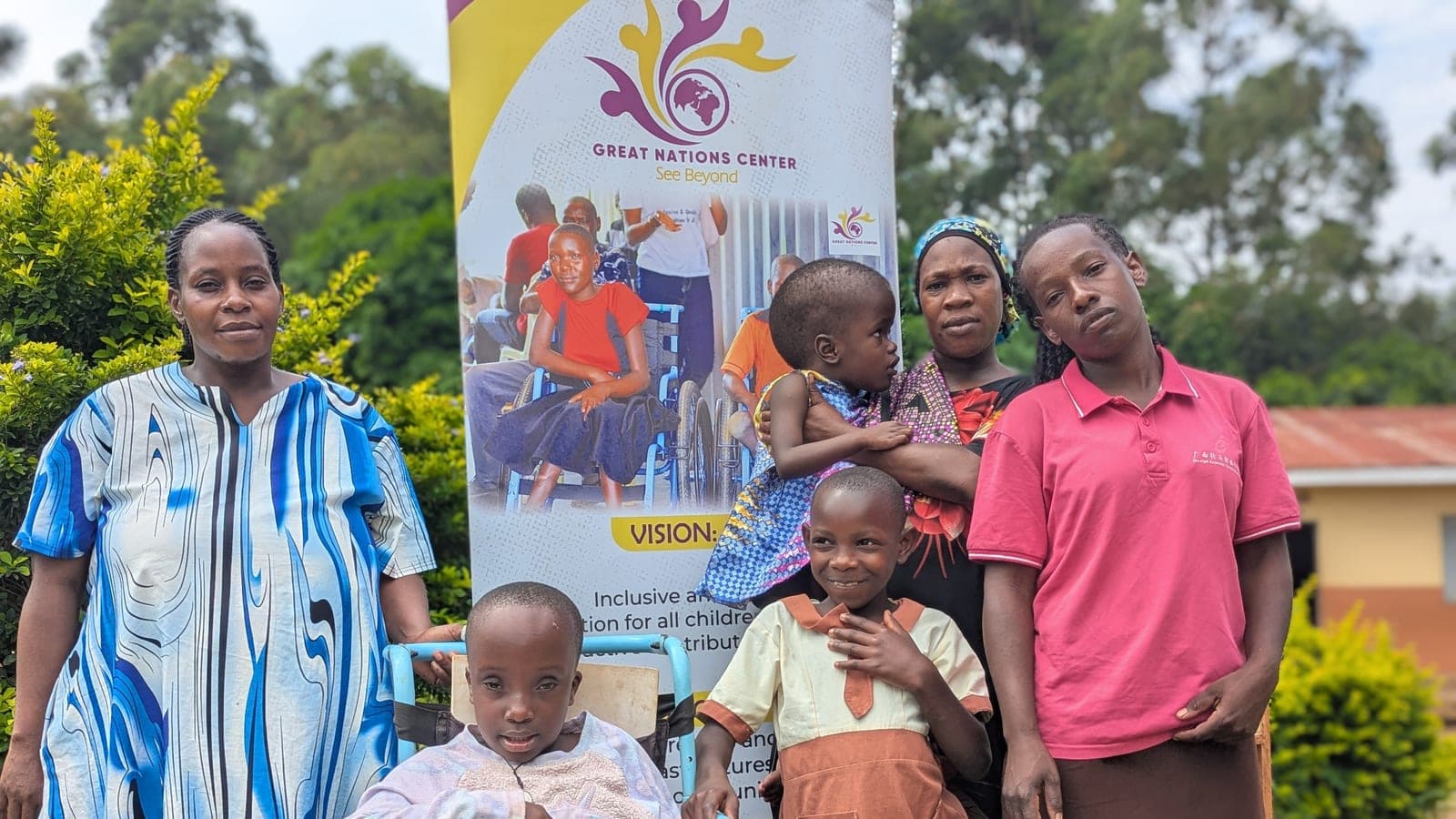
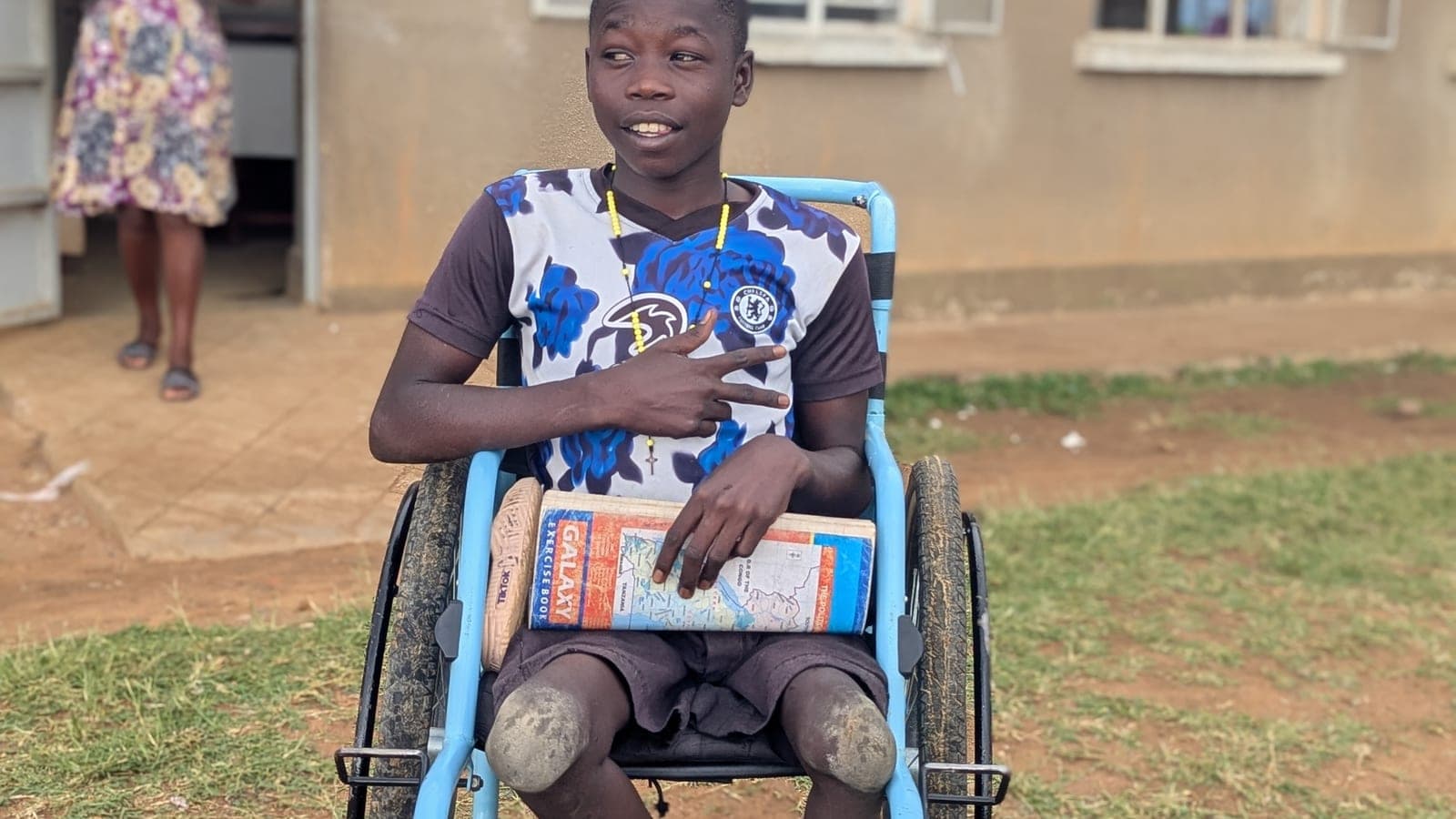
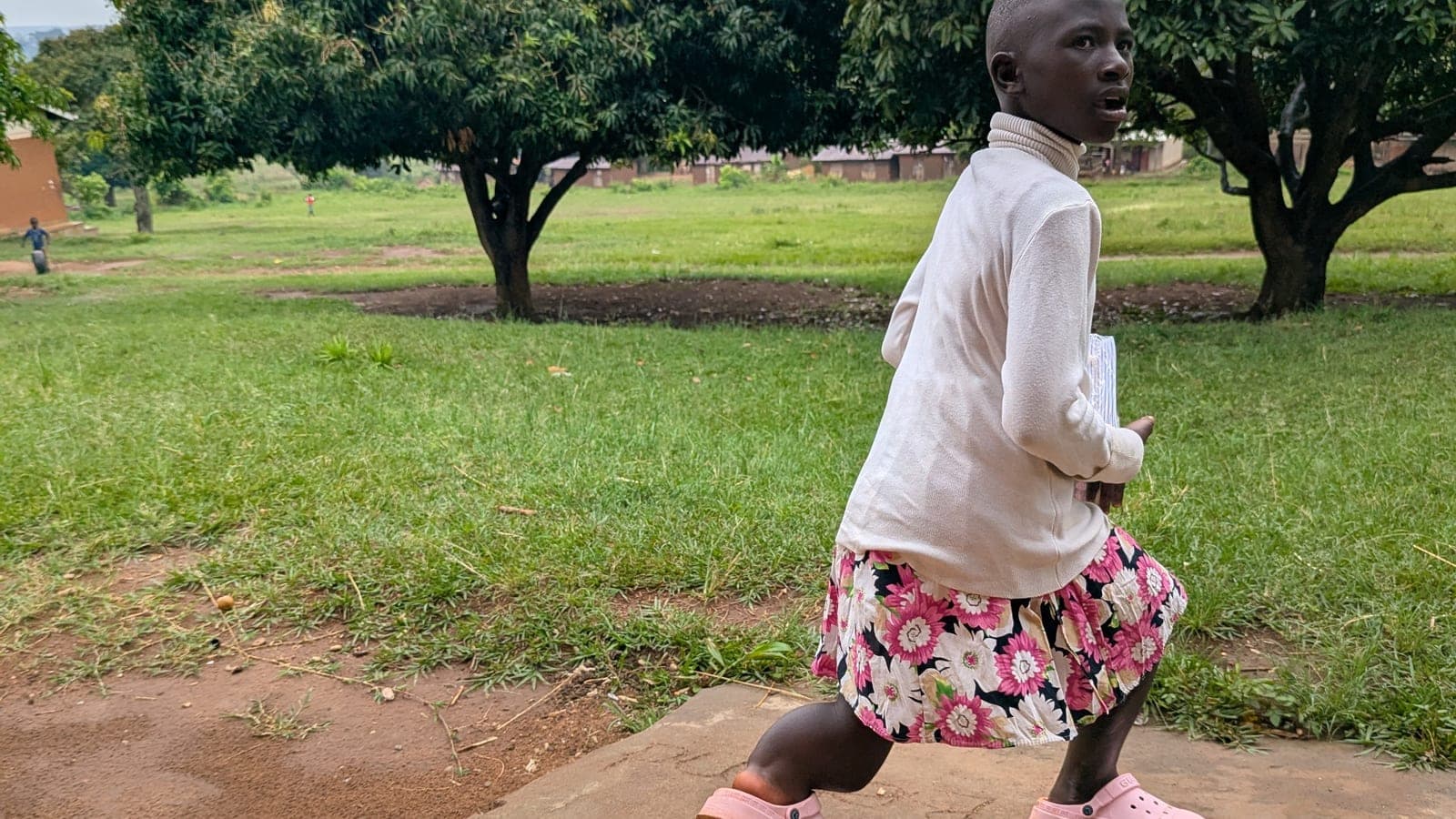
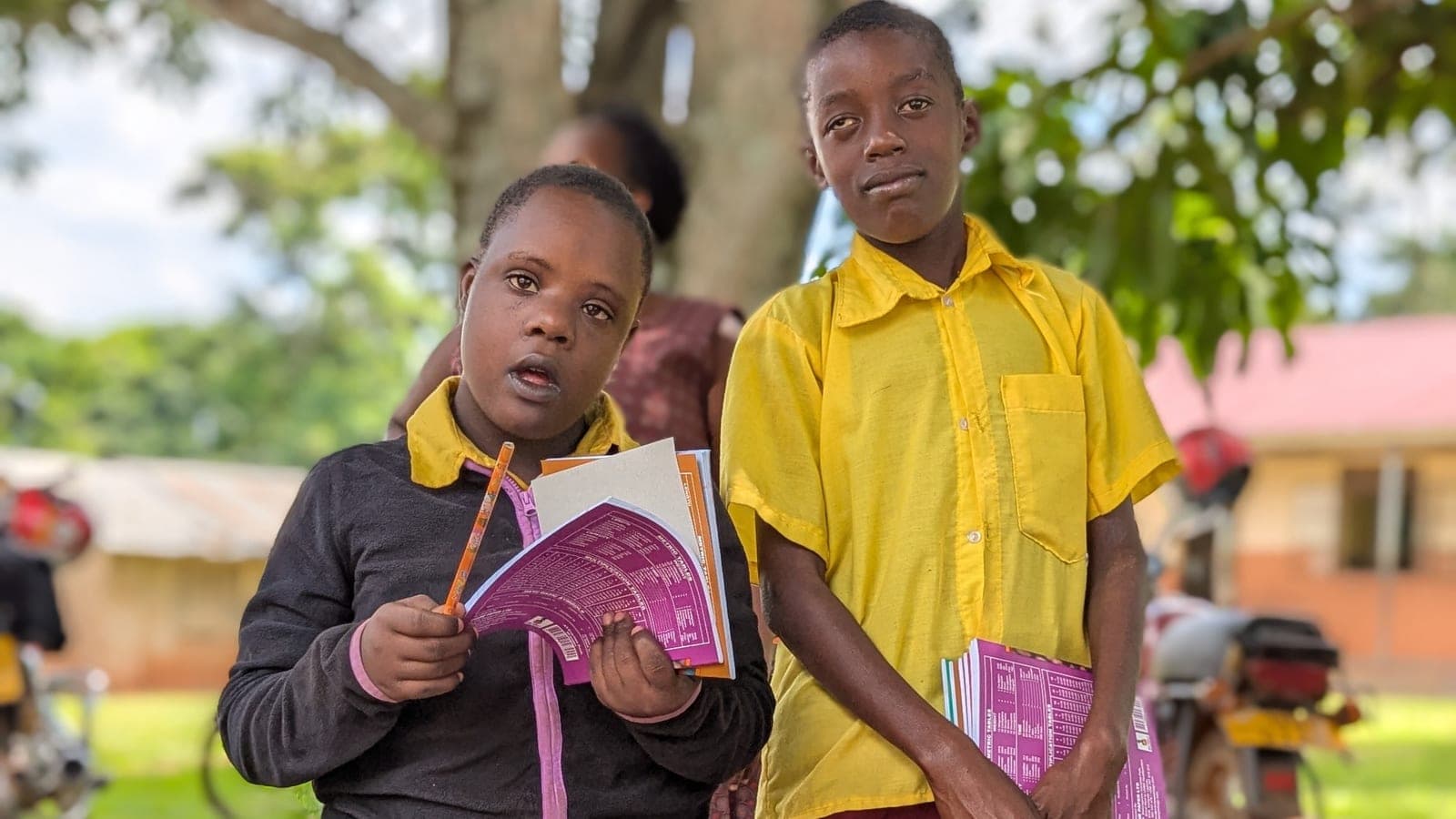
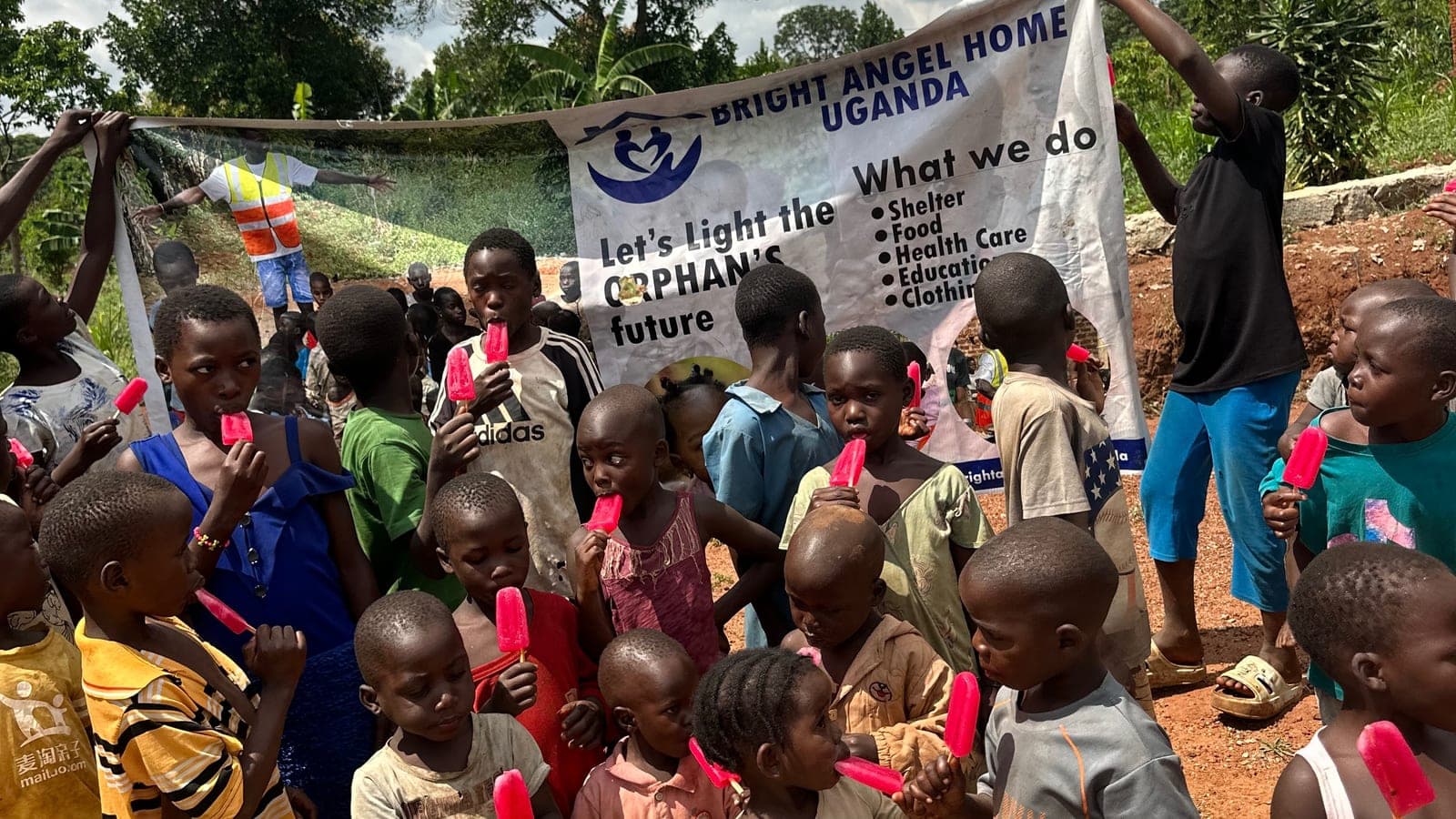
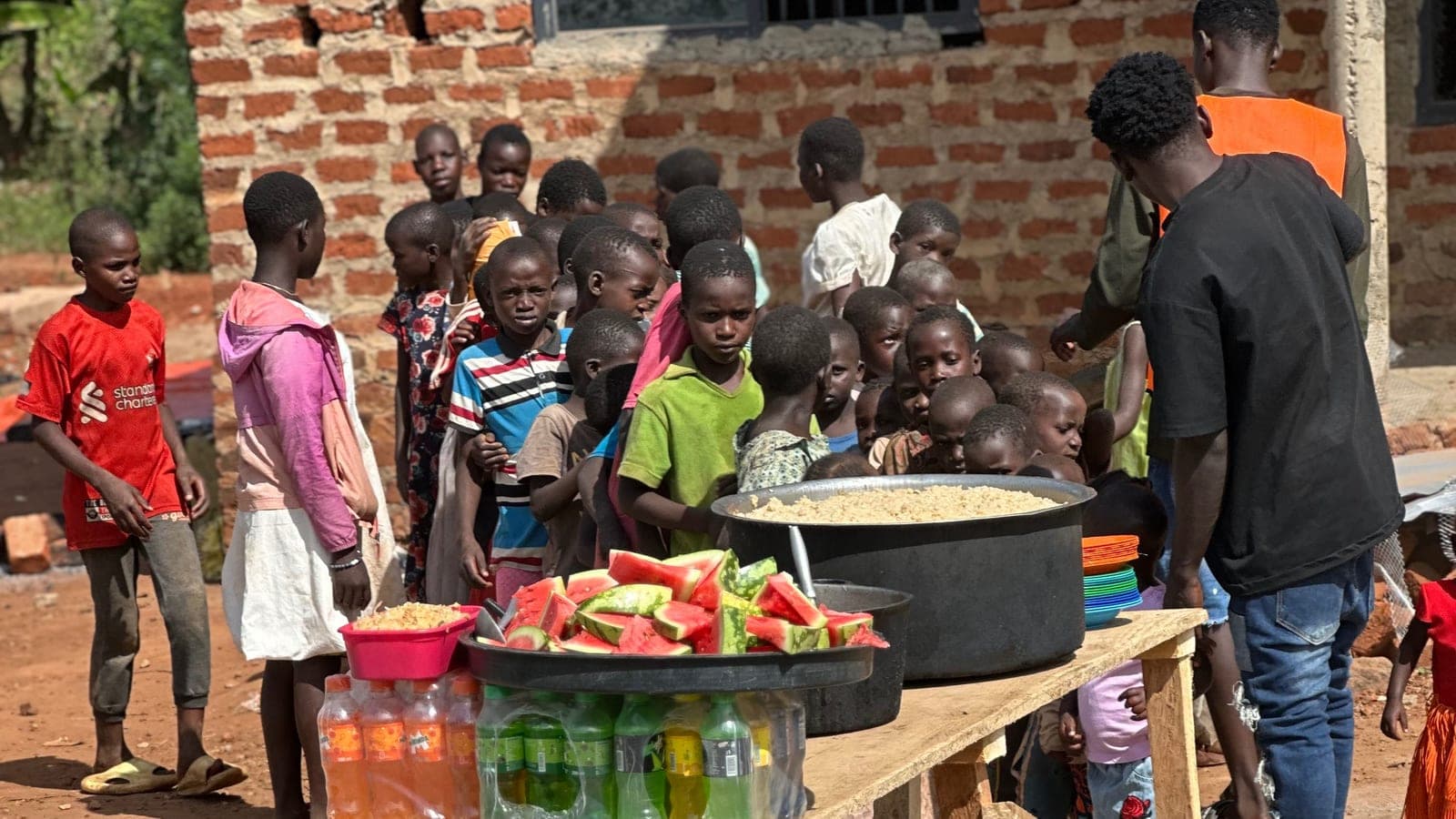

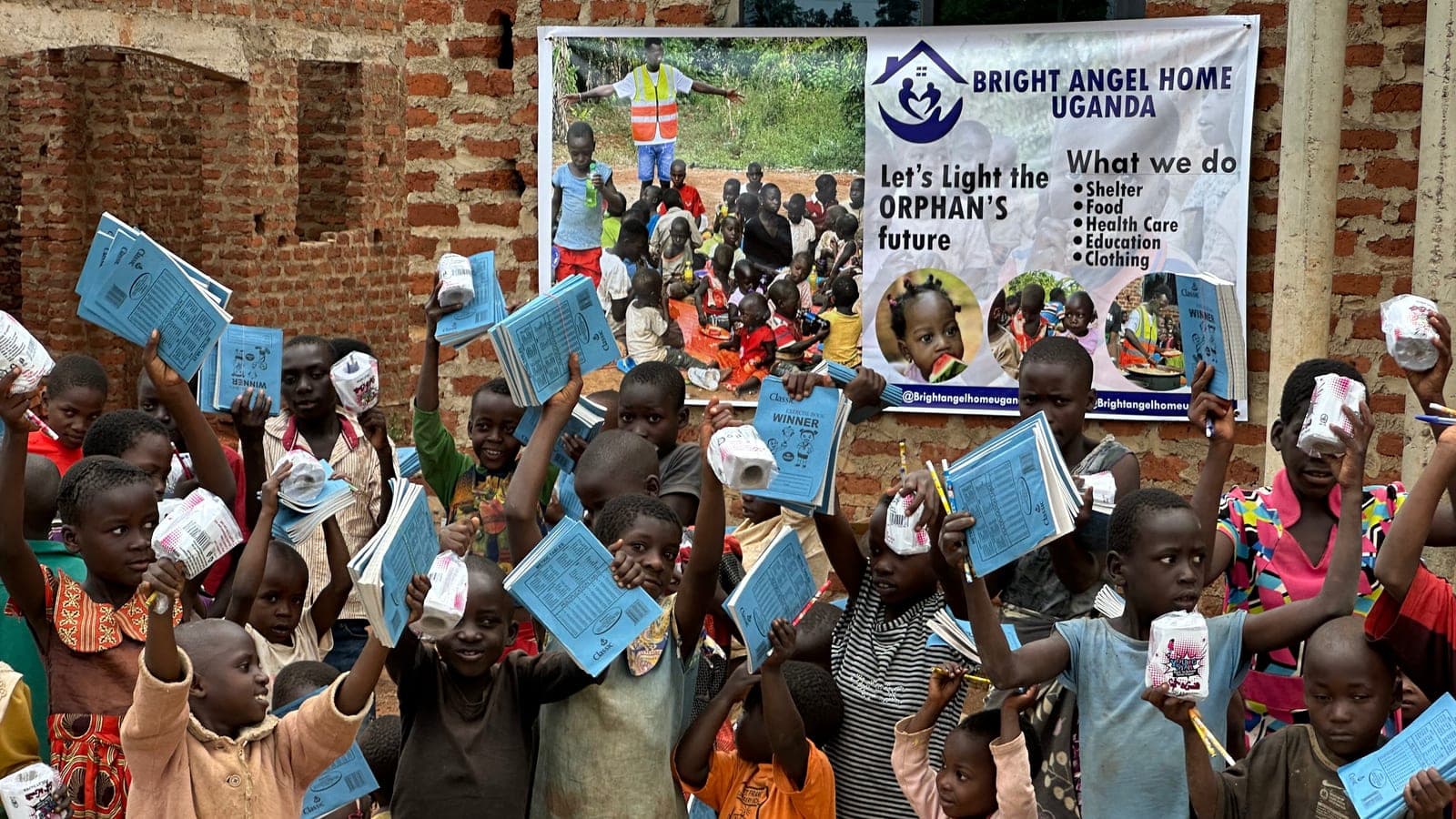
Choose a campaign to support
Read the need, budget, intended recipient and organiser updates before choosing a campaign.
A badge records manual campaign review, not a guarantee. The ledger shows donations and transfers, not proof of their eventual use. Check evidence and outcomes supplied by the organiser. Each campaign shows whether cards are available for supporters abroad.
About Special Needs & Disability Support fundraising in Africa
Disability support is rarely a one-off cost. A wheelchair gets a child to school, but it needs servicing and a bigger frame in two years. Physiotherapy works when it happens every week, not once. Hearing aids need batteries, prosthetics need adjusting, and a special school asks for fees every term. SenteMe is built for exactly this kind of ongoing, pooled giving, where a circle of family, neighbours, church members and former classmates each send what they can, month after month.
This is one of the smaller categories on SenteMe, and we will be honest about that. Most disability support in Kenya, Uganda, Tanzania and across anglophone Africa still moves quietly through families and local associations rather than public appeals. We are not trying to dress that up. What SenteMe adds is structure. Instead of chasing pledges over WhatsApp and losing track of who paid, a coordinator creates one campaign with a single shareable link. Contributors send mobile money straight from M-Pesa, MTN MoMo, Airtel Money or their bank, and every contribution and every withdrawal shows up on a public running ledger that anyone can open.
That transparency matters most when the money is for assistive devices, a wheelchair or hearing aids or a prosthetic, where a contributor wants to see the funds actually reached the supplier. It matters again for therapy costs, physio, occupational therapy and speech therapy, where giving needs to be steady rather than one large push. Coordinators often set up recurring contributions so a small group can quietly carry a child's weekly sessions for a full year.
Families use SenteMe for special school fees, for accessibility upgrades like a ramp or a widened doorway at home, and for the long road of autism and cerebral palsy support, where the costs are spread across years rather than weeks. The platform does not judge how big or small your goal is. A campaign to raise the cost of one good wheelchair is just as welcome as a longer fund for ongoing care.
Starting a campaign is free. There is no charge to create one and no charge to contribute. We use person-first language throughout, because the person always comes before the diagnosis.
The standard withdrawal deduction is 7.5%, potentially higher for provider costs and rounding. Card processing and conversion costs are separate.
Organising a fundraiser?
How to raise money for special needs & disability support
01
Create the campaign and name the real need
Open SenteMe, choose Special Needs and Disability Support, and write plainly what the money is for. Be specific: a paediatric wheelchair, twelve weeks of physiotherapy, one term of special school fees. A clear, honest goal raises more than a vague one.
02
Set a goal you can defend with receipts
Get a rough quote first, from the orthopaedic workshop, the therapy centre or the school. Put that figure as your goal so contributors know exactly what they are funding and can see when it is met on the ledger.
03
Share the one link with your real circle
Send the campaign link to family, neighbours, your church or mosque group, a workplace WhatsApp and old schoolmates. Most disability funds are carried by a tight circle of people who already know the person, so start there rather than with strangers.
04
Turn on recurring contributions for ongoing care
If the need is weekly therapy or termly fees, ask contributors to set a small recurring amount. Ten people giving a little each month covers far more over a year than a single appeal ever will.
05
Post updates and keep the ledger honest
When the wheelchair is fitted or the first therapy block is done, post a short update and a photo if the family is comfortable. Every withdrawal is already visible on the public ledger, and updates turn one-time givers into steady supporters.
How to support special needs & disability support causes
Give once or set a recurring amount
Open the campaign link and send any amount by mobile money from M-Pesa, MTN MoMo, Airtel Money or your bank. For therapy or school fees, choose a small recurring contribution so your support lands every month without you remembering.
Read the ledger before and after you give
Every contribution and withdrawal is public. Open the running ledger to see what has come in and what has gone out to the supplier, the clinic or the school, so you know your money did what it was meant to.
Share the link wider than the family
The biggest help you can give costs nothing. Forward the campaign to your own contacts, your workplace group and your community, because most of these funds grow through people who pass the link along.
Frequently asked questions
How can I raise money for a child's wheelchair in Kenya?
Create a free campaign on SenteMe under Special Needs and Disability Support and set your goal to a real quote from an orthopaedic workshop such as APDK. Share the single link with family, your church group and your workplace, and contributors send mobile money straight from M-Pesa or their bank. When the wheelchair is purchased, the withdrawal shows on the public ledger so everyone can see the money reached the supplier.
Can I collect recurring contributions for ongoing therapy?
Yes, and this is what SenteMe does best for disability support. Contributors can set a small recurring amount so a child's weekly physiotherapy, occupational therapy or speech therapy is covered month after month. A circle of ten or twelve people giving steadily carries far more over a year than a single push, and every payment is logged on the ledger.
What fees does SenteMe charge for a disability fundraiser?
The standard withdrawal deduction is 7.5%; higher provider costs and rounding can increase it. Card processing and conversion costs are separate. Review the breakdown before confirming.
Is it safe to share a public ledger for a vulnerable person?
The ledger shows contributions and withdrawals, not private medical details. You decide what to write in the campaign description and updates, and you can use person-first wording without naming a diagnosis. Many coordinators share a first name only, or describe the need rather than the person, and the transparency reassures contributors that the money is handled properly.
How do I pay for special school fees through SenteMe?
Set your campaign goal to one term of fees and attach the figure from the school's invoice in the description. Contributors send mobile money, and when the term is due you withdraw and pay the school, which shows as a withdrawal on the ledger. Many families repeat this each term and keep recurring contributors who renew automatically.
Can a community group run the campaign instead of the family?
Yes. A coordinator can be a parent, a relative, a teacher, a church member or a community group leader. The person who creates the campaign manages the link, the updates and the withdrawals, while the public ledger keeps everyone accountable. This is common when a family prefers a trusted neighbour or association to handle the collection.
What can I raise money for in this category?
Assistive devices such as wheelchairs, hearing aids and prosthetics, therapy costs including physio, occupational and speech therapy, special school fees, accessibility upgrades like home ramps or widened doorways, and ongoing autism or cerebral palsy support. If the need relates to disability or special needs, it belongs here, whether it is a one-time device or a year of care.
Which countries and mobile money services does SenteMe support?
SenteMe works across 13 African countries and accepts the major mobile money services in each, including M-Pesa, MTN MoMo and Airtel Money, as well as bank transfers. Contributors give in their local currency from their own phone, so friends and relatives abroad and at home can all support the same campaign through one link.
How long can a disability support campaign stay open?
As long as the need lasts. A device fund can close once the wheelchair is bought, while an ongoing therapy or school fees fund can stay open for years with recurring contributions. You control when to keep it running and when to wind it down, and the ledger records every stage.
Example scenarios
What special needs & disability support fundraising looks like
Hypothetical, composite examples. No real person is named.
A wheelchair for a schoolboy in Eldoret
A composite example: relatives of a ten-year-old boy with cerebral palsy near Eldoret pool funds for a fitted paediatric wheelchair and a year of servicing. An aunt coordinates, sets the goal to the orthopaedic workshop's quote, and shares the link in two family WhatsApp groups. The withdrawal to the supplier shows on the ledger once the chair is fitted.
A year of speech therapy in Kampala
A hypothetical fund: a mother of an autistic four-year-old in Kampala asks twelve relatives and former colleagues to each set a small recurring monthly contribution. Together they cover weekly speech and occupational therapy for a full year, and every session paid for appears as a withdrawal so the circle can see the money working.
Resources for special needs & disability support
- Association for the Physically Disabled of Kenya (APDK)
Long-running Kenyan NGO providing wheelchairs, assistive devices, physiotherapy and orthopaedic services. A good source for device quotes.
- National Council for Persons with Disabilities (NCPWD)
Kenya's government council that funds assistive devices and services and registers persons with disabilities for support.
- Differently Talented Society of Kenya (DTSK)
Kenyan organisation for autistic people and their families, offering advocacy, psychosocial support and training.
- EnableMe Kenya
Information and community platform with a disability services directory and peer support for persons with disabilities in Kenya.
- Humanity and Inclusion (Kenya)
International disability NGO running rehabilitation, mobility aids and inclusive education programmes in Kenya.
- CBM Global Disability Inclusion
International disability and development organisation working with local partners across Africa on rehabilitation and inclusion.
- CBM Kenya
Kenya arm of CBM, focused on eye health, community development and disability inclusion.